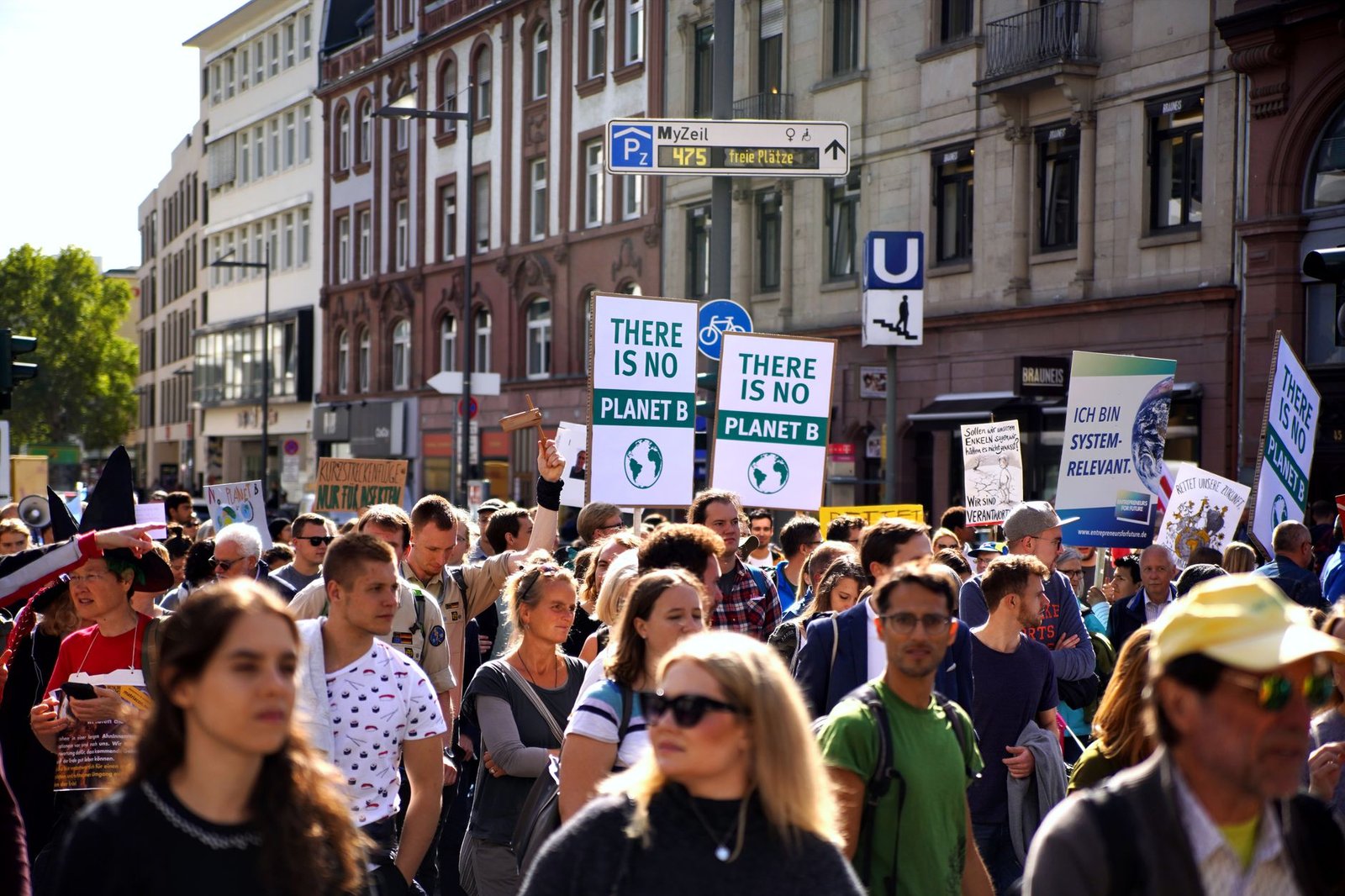
The link between gender and climate change is no longer a niche policy debate. In 2026, with the UN Women Climate and Environment Strategy setting new global benchmarks and record heat waves, floods and droughts hitting communities on every continent, the evidence is clear: climate impacts are not gender-neutral. Women and girls, particularly in low-income and rural communities, face disproportionate risks from a warming planet. Yet they are also among the most effective agents of climate solutions. Understanding gender and climate change is essential for anyone who wants climate policy, green investment or community resilience to actually work.
This article explores why the climate crisis affects women differently, what gender-responsive climate action looks like in practice, the latest data from 2025 and 2026, and what individuals, businesses and governments can do right now to close the gap.
Gender and Climate Change: Why the Crisis Hits Women Hardest
The United Nations estimates that women and children are up to 14 times more likely than men to die during a climate-related disaster. That startling figure comes from decades of disaster data, including the 1991 Bangladesh cyclone, where roughly 90 percent of the 140,000 victims were women, and the 2004 Indian Ocean tsunami, where women accounted for as many as 70 percent of deaths in some areas. The reasons are structural rather than biological: restricted mobility, caregiving responsibilities, lack of early-warning access, and in many places, not being taught to swim.
Beyond disasters, slow-onset climate impacts compound existing inequalities. Women produce between 45 and 80 percent of food in developing countries, according to the Food and Agriculture Organization, yet they own less than 15 percent of agricultural land globally. When droughts destroy harvests, women farmers have fewer assets to fall back on, less access to credit and limited say in adaptation decisions. UN Women projected in 2025 that climate change could push up to 158 million more women and girls into poverty by 2050 and leave 236 million more facing food insecurity.
Water scarcity adds another burden. In sub-Saharan Africa, women and girls spend a combined 200 million hours every day collecting water, a figure that rises as wells dry up and rivers shrink. Every extra hour walking for water is an hour lost to school, paid work or rest, which is why gender and climate change cannot be separated from education and economic empowerment.
The UN Women Climate and Environment Strategy 2026
In 2026, UN Women launched an updated Climate and Environment Strategy that reframes the global approach. Rather than treating women solely as vulnerable victims, the strategy positions them as decision-makers, innovators and leaders whose participation improves outcomes for everyone. It is built on three pillars: ensuring women’s leadership in climate governance, directing climate finance toward gender-responsive projects, and protecting women environmental defenders.
The finance pillar is arguably the most consequential. Analysis by the OECD found that only about 2.4 percent of bilateral climate finance in the early 2020s had gender equality as a principal objective, and roughly a third had it as any objective at all. The 2026 strategy sets a target for all UN-backed climate funds to conduct gender assessments and report disaggregated outcomes. The Green Climate Fund, the world’s largest dedicated climate fund, has already required gender action plans for every project since 2018, and its 2025 review showed that projects with strong gender plans delivered measurably higher adaptation benefits per dollar.
The leadership pillar addresses a glaring imbalance. At COP29 in Baku in 2024, women made up only about 8 percent of heads of delegation, a decline from previous years that drew sharp criticism. Research by the Grantham Institute found that countries with higher female parliamentary representation adopt more stringent climate policies and achieve lower emissions, making gender parity a practical climate strategy rather than a symbolic one.
Gender-Responsive Climate Action in Practice
What does gender-responsive climate action look like on the ground? It means designing programs around how women actually live, work and make decisions. Consider a few examples that have produced results:
- Solar Sister (Africa): This social enterprise has trained more than 10,000 women entrepreneurs in Nigeria, Tanzania and Kenya to sell solar lamps and clean cookstoves, reaching over 4 million people with clean energy while lifting household incomes.
- Barefoot College (India): Rural women, many of them grandmothers with no formal education, are trained as solar engineers. Graduates have electrified more than 2,000 villages across 90-plus countries.
- Kenya’s Women in Water program: Placing women on local water management committees increased the functionality rate of community water points by more than 30 percent, according to a 2024 World Bank evaluation.
- Bangladesh’s cyclone shelters: After redesigning shelters with separate facilities for women and recruiting female volunteers into early-warning networks, disaster deaths fell by more than 100-fold between 1970 and 2020.
The common thread is participation. When women help design the solution, the solution fits the reality. A 2025 study in the journal Nature Climate Change examined 300 adaptation projects and found that those with meaningful female involvement were 20 to 30 percent more likely to be sustained beyond the initial funding period.
“Climate change is a threat multiplier for gender inequality, but gender equality is a solution multiplier for climate action. Every study we run shows the same pattern: when women hold real decision-making power over land, water and energy, communities recover faster and emit less. Ignoring half the population is not just unjust, it is inefficient.” — Dr. Amara Okafor, climate adaptation researcher, International Institute for Environment and Development
Women in Climate Leadership: From Grassroots to Boardrooms
The 2026 Goldman Environmental Prize, often called the Green Nobel, was awarded to six women for the first time in its history, a milestone that reflects a wider shift. Across the globe, women are leading Indigenous land defense in the Amazon, coordinating reforestation in the Sahel and running climate litigation that has forced governments to strengthen emissions targets. Yet these leaders face rising danger: Global Witness recorded that at least 196 environmental defenders were killed in 2023, and women defenders often face additional gender-based violence and online harassment.
In the corporate world, the picture is mixed but improving. A 2025 analysis by Bloomberg found that companies with at least 30 percent women on their boards were significantly more likely to have science-based emissions targets and to disclose climate risks. Women now hold roughly 31 percent of board seats among S&P 500 companies and about 40 percent in the UK’s FTSE 350, up sharply from a decade ago. The clean energy workforce, however, remains only 32 percent female according to the International Renewable Energy Agency, and far lower in engineering and senior technical roles.
Closing this gap matters for the green transition itself. The International Labour Organization projects that the shift to a low-carbon economy could create 24 million jobs by 2030, but without deliberate policy, many of those jobs will flow to male-dominated sectors like construction and energy infrastructure, leaving women behind in a supposedly just transition.
Climate Justice and the Global Policy Landscape
Gender and climate change now sit at the heart of climate justice negotiations. The Gender Action Plan under the UN Framework Convention on Climate Change, renewed for a ten-year term at COP29, commits parties to integrating gender into national climate plans. As of 2026, more than 80 percent of Nationally Determined Contributions submitted under the Paris Agreement mention gender, up from about 40 percent in 2016, though critics note that mentions do not always translate into budgets.
The Loss and Damage Fund, which became operational in 2024 and began disbursing in 2025, has been a focal point for advocates. Women’s groups have pushed for direct access windows so that community-led organizations, rather than only national governments, can receive funding. Early pilots in the Pacific islands and the Caribbean have shown that locally led, women-managed recovery funds distribute money faster and with lower overhead.
In Europe, the EU’s Gender Equality Strategy and the European Green Deal are increasingly cross-referenced, and the 2026 LIFE Awards celebrated several projects that explicitly measured gender outcomes alongside biodiversity and emissions gains. In the UK, campaigners have urged regional leaders, including Greater Manchester’s Andy Burnham, to publish clear climate commitments that account for the unequal social impacts of heat, flooding and fuel poverty, which fall hardest on single mothers and older women.
Practical Steps: What You Can Do About Gender and Climate Change
Progress on gender and climate change is not only the job of diplomats. Individuals, employers, investors and local officials all have levers to pull. Here are concrete actions you can take today:
- Direct your giving wisely: Support organizations that fund women-led climate solutions, such as the Global Greengrants Fund, Women’s Earth Alliance or local women’s cooperatives. Less than 1 percent of global philanthropy goes to women’s environmental initiatives, so every donation has outsized impact.
- Ask questions of your investments: If you hold ESG or climate funds, check whether they screen for gender diversity in leadership. Tools like the Bloomberg Gender-Equality Index and Equileap ratings make this easy.
- Push your employer: Advocate for climate and sustainability teams that reflect gender balance, and for flexible policies that let caregivers participate in green-skills training.
- Buy from women-led green businesses: From solar installers to sustainable fashion brands, choosing women-owned suppliers channels money into the parts of the economy that research shows reinvest most in community resilience.
- Engage locally: Attend council meetings on flood defense, heat plans or transport, and ask how the plan accounts for women, older people and caregivers. Local adaptation is where gender-blind design does the most quiet damage.
- Amplify women defenders: Share the work of frontline environmental leaders and support protection networks like Front Line Defenders.
For policymakers and NGOs, the checklist is more structured: collect sex-disaggregated data, budget for gender analysis in every climate project, guarantee women’s seats on water, land and energy committees, and fund the unpaid care economy so women have time to lead.
Conclusion: Gender Equality Is Climate Strategy
The relationship between gender and climate change cuts both ways. A warming planet deepens existing inequalities, pushing millions of women into poverty, hunger and danger. But when women gain land rights, finance, education and a seat at the decision-making table, communities adapt faster, forests recover, and emissions fall. The UN Women Climate and Environment Strategy 2026 and the renewed UNFCCC Gender Action Plan signal that the world’s institutions are finally treating this as core climate policy rather than a side issue.
Key takeaways:
- Women are up to 14 times more likely to die in climate disasters, and up to 158 million more could be pushed into poverty by 2050 without action.
- Only around 2.4 percent of bilateral climate finance targets gender equality as a principal goal, leaving a massive funding gap.
- Gender-responsive projects are 20 to 30 percent more likely to succeed long term, and countries with more women in parliament pass stronger climate laws.
- Women hold just 32 percent of renewable energy jobs and 8 percent of COP delegation leadership roles, gaps that the 2026 strategy aims to close.
- Individuals can act now by funding women-led climate groups, scrutinizing investments, and demanding gender-aware local adaptation plans.
The climate crisis will be won or lost in the details of who gets to decide. Making sure women are among the deciders is one of the most powerful, and most overlooked, tools we have.