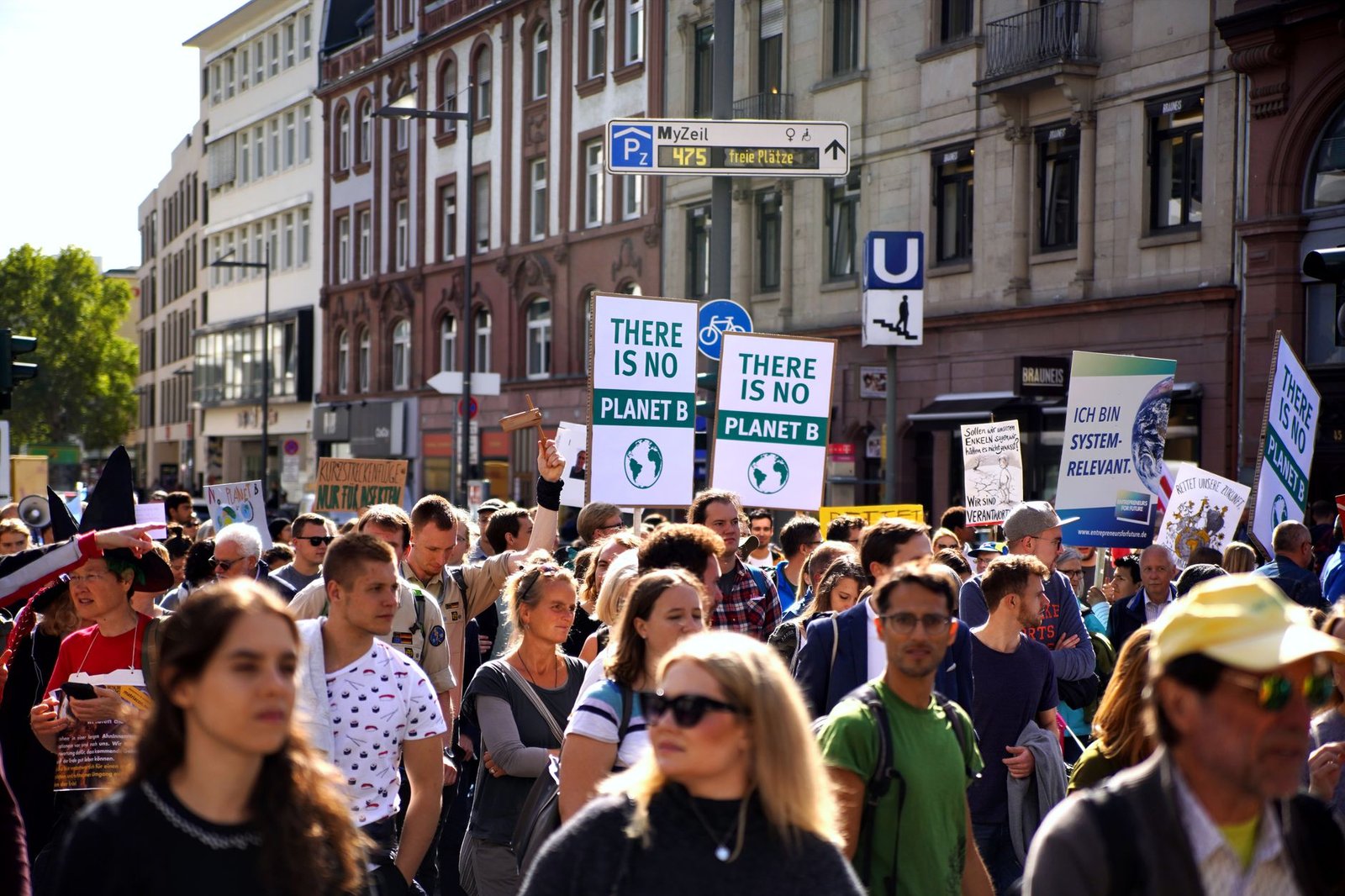
For three decades, the environmental movement has drowned the public in numbers: parts per million, degrees of warming, gigatonnes of carbon. Yet in 2026, the fastest-growing force in climate change communication is not a dataset but a story. Climate fiction — often called “cli-fi” — alongside documentaries, podcasts, and brand narratives, has moved from a niche literary genre into a mainstream cultural engine. Publishers report double-digit growth in environmental books, streaming platforms are commissioning climate-themed dramas, and researchers now have hard evidence that a well-told tale changes behaviour in ways a bar chart never could. This article explores why sustainability storytelling works, what the science says, and how you can use it in your own green living journey.
Why Climate Fiction Is Booming in 2026
The numbers behind the trend are striking. According to Nielsen BookScan data compiled in early 2026, sales of environmental and climate-themed fiction grew roughly 34% between 2023 and 2025, outpacing the overall fiction market several times over. Goodreads lists more than 9,000 titles now tagged “cli-fi,” up from a few hundred a decade ago. Authors such as Kim Stanley Robinson (The Ministry for the Future), Richard Powers (The Overstory, Playground), and Amitav Ghosh have pulled the genre into literary prize territory, while a wave of younger writers from Nigeria, India, Brazil, and the Pacific Islands are adding perspectives from the regions most exposed to climate impacts.
Part of the surge is generational. Gen Z and younger millennials, who report the highest levels of climate anxiety in global surveys — a 2021 Lancet Planetary Health study found 59% of 16–25-year-olds were “very or extremely worried” — are actively seeking narratives that help them process that emotion. Climate fiction provides something that scientific reports cannot: characters who feel the same fear, and plots in which people act on it.
The genre has also diversified in tone. The early 2010s were dominated by apocalyptic narratives. In 2026, the fastest-growing sub-category is “hopepunk” and solarpunk — stories that imagine functioning, desirable low-carbon futures. Readers, it turns out, are tired of doom and hungry for blueprints.
The Science of Sustainability Storytelling
Why do stories work when data often fails? Psychologists point to a phenomenon called narrative transportation. When a reader is absorbed in a story, critical resistance drops and the beliefs embedded in the narrative are more likely to be adopted. A 2020 meta-analysis published in the Journal of Communication covering 76 studies found that narrative messages produced measurably larger shifts in attitudes and intentions than purely informational ones, especially on emotionally charged topics.
Climate-specific research backs this up. A Yale Program on Climate Change Communication study found that audiences who watched a character-driven climate film were significantly more likely to report intention to change personal behaviour than a control group given the same facts in a lecture format. Similarly, University of Pennsylvania researchers in 2024 found that readers of climate fiction reported higher “efficacy beliefs” — the sense that their actions matter — for weeks after finishing a novel, though the effect faded without reinforcement.
“Data tells people what is happening. Stories tell them who they could become. In our research, the single strongest predictor of sustained pro-environmental behaviour was not knowledge of the facts but whether someone could picture themselves in a future where the problem was being solved.” — Dr. Elena Marsh, environmental psychologist and author of The Narrative Climate
That final point matters. Fear without agency produces paralysis. The most effective sustainability storytelling pairs an honest depiction of the threat with a credible path to action — exactly the balance that the best 2026 environmental books are striking.
From Page to Screen: Climate Change Communication Goes Mainstream
Storytelling is no longer confined to novels. Streaming services have discovered that climate themes travel well globally. Apple TV+’s Extrapolations (2023) opened the door; by 2026 Netflix, Amazon, and regional players in South Korea, India, and Nigeria have all commissioned climate-centred dramas and documentaries. The nonprofit Good Energy, which consults with Hollywood writers’ rooms, reported in its 2025 audit that the share of scripted TV episodes mentioning climate change had more than doubled since 2022 — though still below 5%, suggesting enormous room for growth.
Podcasts and short-form video are the other frontier. On TikTok and YouTube, creators such as those behind the “Climate Town” channel have proven that satire and personal narrative can pull in tens of millions of views on subjects — zoning law, utility lobbying, heat pumps — that would once have been considered unwatchable. Positive-news outlets have flourished too; the annual roundups of “good climate news” (solar-powered railways, rewilded stork villages, restored wetlands) now routinely rank among the most-shared environmental content of the year.
Even the United Nations has embraced the shift. UN Women’s Climate and Environment Strategy launched in 2026 places “narrative change” alongside finance and policy as a core pillar, explicitly recognising that who gets to tell climate stories — and whose stories are told — shapes which solutions get funded.
How Brands and Cities Use Climate Fiction Techniques
Corporate sustainability reports were once the least-read documents on Earth. That is changing as companies borrow from fiction. Patagonia, IKEA, and Unilever now publish long-form narrative content — films, illustrated stories, first-person supplier profiles — rather than tables alone. The 2026 LIFE Awards, the European Union’s annual celebration of nature and climate projects, added a communication category precisely because judges observed that the projects with the best storytelling secured the most community participation and follow-on funding.
Cities are doing the same. Copenhagen, Melbourne, and Bogotá have each run “future scenario” workshops in which residents co-write short fiction about their neighbourhood in 2050. Planners report that these exercises generate far more constructive public input than traditional consultations. In Nigeria, Taraba State’s newly unveiled Climate Change Policy and Action Plan 2026 was launched alongside a community radio drama series, an approach borrowed from successful public-health campaigns.
There is a caution here, of course. Storytelling is a tool, and greenwashing is its dark twin. A compelling narrative about a company’s green ambitions is worthless — or worse — if the numbers do not back it up. Consumers in 2026 are increasingly sophisticated: a 2025 Edelman Trust Barometer found that 71% of global respondents said they would stop buying from brands caught exaggerating environmental claims. The lesson for communicators is that story and data must travel together.
Environmental Books 2026: What to Read Now
If you want to experience the power of climate fiction and sustainability storytelling first-hand, the spring-to-summer 2026 reading lists offer plenty of choice. Rather than a definitive ranking, here is a curated mix of established classics and recent standouts across genres:
- The Ministry for the Future by Kim Stanley Robinson — Still the benchmark for “how we might actually fix this” fiction, blending policy, finance, and human drama.
- The Overstory by Richard Powers — A Pulitzer-winning novel that made millions of readers see trees as characters.
- Not Too Late edited by Rebecca Solnit and Thelma Young Lutunatabua — Essays reframing climate despair into possibility.
- The Great Derangement by Amitav Ghosh — A sharp argument about why literature ignored climate for so long.
- Braiding Sweetgrass by Robin Wall Kimmerer — Indigenous wisdom and botany woven into one of the most-gifted environmental books of the decade.
- Solarpunk anthologies such as Multispecies Cities — Short stories that imagine thriving, green urban futures.
- Children’s and YA titles — Look for picture books about local wildlife recovery; publishers report this is the fastest-growing environmental category of all.
Whatever you choose, read with a notebook nearby. The research suggests the behavioural effect of climate fiction is strongest when readers consciously connect the story to a decision in their own lives.
Practical Ways to Use Storytelling in Your Green Living
You do not need to be a novelist to harness sustainability storytelling. The same psychological mechanisms that make climate fiction effective can strengthen your own habits and help you influence family, colleagues, and community. Try these steps:
- Write your own 2036 scene. Spend ten minutes describing a normal day in your home or city a decade from now, assuming the changes you care about have happened. Studies on “future self” visualisation show this increases follow-through on long-term goals.
- Lead with a person, not a percentage. When persuading others — whether about a workplace recycling scheme or a community solar project — open with a specific human example before the data.
- Join or start a climate book club. Discussing a novel in a group multiplies the efficacy effect and turns private worry into shared action.
- Curate your feed for solutions. Follow at least as many positive-news and solutions-journalism accounts as crisis-focused ones to avoid the paralysis that pure doom produces.
- Share your “why” story. When you switch to a heat pump, an e-bike, or a plant-rich diet, tell people the story of what prompted it. Behavioural contagion research shows peer narratives are among the strongest drivers of household adoption.
- Support diverse storytellers. Buy, borrow, and recommend environmental books by authors from the Global South and Indigenous communities, whose perspectives remain under-represented on bestseller lists.
- Demand data behind every brand story. Before you reward a company for a beautiful sustainability narrative, check for third-party verification such as Science Based Targets or B Corp certification.
The Risks: When Stories Mislead
Honesty requires acknowledging the limits of narrative. Critics argue that the environmental movement’s shift toward stories partly explains what some commentators in 2026 have described as its loss of political power: emotion-driven campaigns can rally supporters without translating into policy wins. Stories can also oversimplify. A novel that resolves the climate crisis through a single heroic invention may inadvertently reinforce techno-optimism at the expense of harder conversations about consumption and equity.
Misinformation exploits the same mechanisms. Narrative transportation works whether the story is true or false, and fossil-fuel interests have long understood this — from the “personal carbon footprint” framing popularised by a 2000s oil-company ad campaign to today’s AI-generated disinformation. The rise of generative AI adds a further wrinkle: as our recent coverage of AI’s environmental costs noted, the very tools now used to mass-produce climate content carry their own water and energy footprint. Readers should therefore treat storytelling as a complement to, not a replacement for, scientific literacy.
Conclusion: Stories Are the Bridge Between Knowing and Doing
The climate crisis has never suffered from a shortage of facts. What it has lacked, until recently, is a shared imagination of what a solved future looks like — and a way to make that future feel personal. Climate fiction, sustainability storytelling, and the broader turn toward narrative in climate change communication are filling that gap in 2026, backed by a growing body of evidence that stories shift attitudes, boost efficacy, and spread behaviour through communities.
Key takeaways:
- Climate fiction sales have grown by roughly a third since 2023, with solarpunk and “hopepunk” leading the way.
- Narrative transportation makes stories more persuasive than data alone, particularly when they combine honest threat with credible hope.
- Governments, brands, and the UN now treat storytelling as a core sustainability tool — but stories must be anchored in verifiable data to avoid greenwashing.
- Individuals can use storytelling techniques — future-self writing, book clubs, sharing personal “why” stories — to strengthen green living habits and influence others.
- Stay alert: the same narrative power that drives change can also spread misinformation.
Pick up one of the environmental books on this year’s lists, imagine the future you want, and then tell someone about it. That, the research suggests, is where change actually begins.