The Japan stock market record high in 2026 has stunned global investors. After decades of stagnation following the 1989 bubble burst, the Nikkei 225 has shattered its previous all-time highs and entered uncharted territory, powered by an extraordinary artificial intelligence boom that is reshaping the world’s fourth-largest economy. In the last week of June 2026, the benchmark index surpassed the 45,000 mark for the first time in history, capping a rally that has delivered over 22% gains since the start of the year. For investors worldwide, Japan’s resurgence is no longer a recovery story — it is a growth story, and AI is the engine driving it forward.
What makes this rally remarkable is its breadth and structural underpinning. Unlike the speculative frenzy of the late 1980s, today’s gains are supported by genuine corporate earnings growth, sweeping governance reforms, and Japan’s strategic positioning at the heart of the global AI supply chain. From semiconductor equipment makers to robotics firms and cloud infrastructure providers, Japanese companies are delivering the hardware and technology that powers the AI revolution. This article explores the forces behind the historic surge, the key sectors leading the charge, the risks investors should watch, and practical strategies for gaining exposure to this transformative market.
Why the Japan Stock Market Hit a Record High in 2026
The Nikkei 225 all-time high in 2026 is the result of multiple converging tailwinds that have been building for years. First, Japan’s corporate governance revolution — accelerated by the Tokyo Stock Exchange’s 2023 directive urging companies to improve capital efficiency — has fundamentally changed how Japanese firms allocate capital. Companies trading below book value were pressured to boost shareholder returns through buybacks, dividend increases, and unwinding of cross-shareholdings. By mid-2026, share buyback announcements by Japanese firms have exceeded ¥15 trillion ($100 billion), a record that dwarfs any previous year.
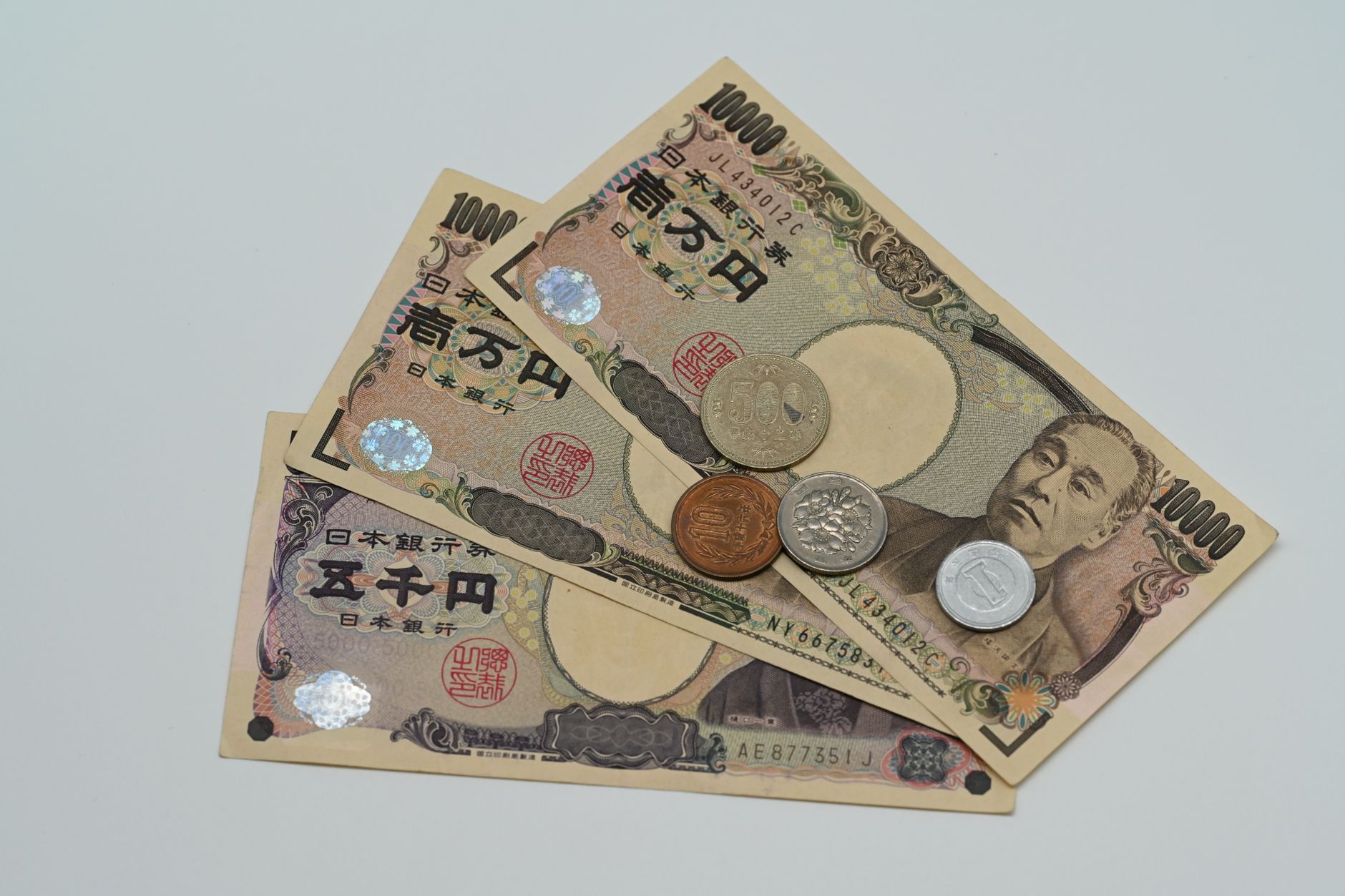
Second, the weak yen — hovering around 158 to the dollar — has been a powerful earnings tailwind for Japan’s export-heavy corporate sector. Companies like Toyota, Sony, and Hitachi have seen their overseas revenues translate into significantly higher yen-denominated profits. While a weak currency creates challenges for domestic consumers, it has made Japanese equities exceptionally attractive to foreign investors, who have poured approximately $65 billion into Japanese stocks in the first half of 2026 alone, according to data from the Japan Exchange Group.
Third, the Bank of Japan’s cautious approach to monetary policy normalization has kept financial conditions relatively accommodative. Although the BOJ raised its policy rate to 0.75% in early 2026, this remains extraordinarily low by global standards, providing a supportive backdrop for equity valuations. The combination of earnings growth, governance reform, currency dynamics, and monetary policy has created what many analysts describe as a once-in-a-generation alignment of bullish factors.
The AI Boom Driving the Japanese Stock Market Rally
At the center of Japan’s stock market surge is the artificial intelligence revolution. While American tech giants like Nvidia and Microsoft dominate the AI narrative, Japan has quietly become an indispensable link in the AI supply chain. Companies like Tokyo Electron, which manufactures the equipment used to produce advanced AI chips, have seen their share prices more than double since 2024. Advantest, the world’s leading maker of semiconductor testing equipment, has delivered even more explosive gains as demand for AI chip testing has skyrocketed.
Japan AI stocks extend well beyond semiconductor equipment. Softbank Group, under the leadership of Masayoshi Son, has repositioned itself as an AI-first conglomerate, leveraging its majority stake in Arm Holdings and aggressive investments in AI startups globally. Fanuc and Keyence, leaders in industrial robotics and automation sensors, are benefiting from the convergence of AI and manufacturing — a trend that plays directly to Japan’s traditional strengths. NEC Corporation and Fujitsu have secured major contracts for AI-powered infrastructure projects across Asia, further boosting their valuations.
The Japanese government has also played a catalytic role. In its 2026 budget, the Ministry of Economy, Trade, and Industry (METI) allocated ¥2 trillion ($13.4 billion) to AI and semiconductor initiatives, including subsidies for TSMC’s expanding fabrication facilities in Kumamoto and Rapidus Corporation’s ambitious plan to produce cutting-edge 2-nanometer chips in Hokkaido by 2027. This government-backed push to rebuild Japan’s semiconductor ecosystem has attracted global investment and reinforced confidence in Japan’s long-term positioning in the AI value chain.
“Japan is experiencing its most significant structural bull market in over three decades. The convergence of corporate governance reform, AI-driven earnings growth, and strategic government investment in semiconductors has created an opportunity set that global investors simply cannot ignore. We believe the Nikkei 225 can reach 50,000 within the next 18 months.” — Jesper Koll, Director at Monex Group and longtime Japan market strategist
Key Sectors Leading the Nikkei 225 All-Time High
Understanding which sectors are driving the rally is essential for investors looking to participate in the Japanese stock market rally. The gains are not evenly distributed, and selectivity matters. Here are the sectors delivering the strongest performance in 2026:
- Semiconductor Equipment: Tokyo Electron (8035.T) and Advantest (6857.T) are the flagship names, benefiting directly from the global buildout of AI data centers. Tokyo Electron’s revenue grew 38% year-over-year in Q1 2026, driven by demand for advanced lithography and deposition tools.
- Robotics and Automation: Fanuc (6954.T), Keyence (6861.T), and Yaskawa Electric (6506.T) are capitalizing on the integration of AI into manufacturing processes. Factory automation orders from China, Southeast Asia, and North America have surged as companies invest in AI-enabled production lines.
- Trading Houses (Sogo Shosha): Mitsubishi Corporation, Mitsui & Co., and Itochu continue to deliver record profits, buoyed by elevated commodity prices and diversified business portfolios. Warren Buffett’s well-publicized investments in these firms since 2020 have drawn sustained global attention to the sector.
- Financial Services: Japanese banks and insurance companies, including Mitsubishi UFJ Financial Group and Tokio Marine Holdings, are benefiting from rising interest rates and improved net interest margins after years of near-zero rates.
- Technology and Cloud: NTT Data, Fujitsu, and NEC are expanding their AI and cloud services businesses, securing government and enterprise contracts across the Asia-Pacific region.
The breadth of sector participation distinguishes this rally from previous Nikkei surges. While the 2023-2024 rally was heavily concentrated in a few mega-cap names, the 2026 advance has spread across mid-cap and small-cap stocks as well, with the TOPIX index also reaching record levels. This broad-based participation is typically a sign of a healthy, sustainable bull market rather than a speculative bubble.
How Foreign Investors Are Fueling the Japan Stock Market Record
Foreign capital flows have been a decisive factor in Japan’s stock market ascent. According to Bloomberg data, overseas investors have been net buyers of Japanese equities for 22 of the first 25 weeks of 2026, the most sustained buying streak since the Koizumi reform era of 2005. Hedge funds, sovereign wealth funds, and global long-only managers have all increased their Japan allocations, with many citing the combination of reasonable valuations, strong earnings momentum, and currency-hedged returns.
Despite the massive rally, Japanese stocks remain attractively valued compared to their American counterparts. The Nikkei 225 trades at approximately 17 times forward earnings, compared to roughly 22 times for the S&P 500. This valuation discount, combined with superior earnings growth forecasts of 12-15% for Japanese corporations in fiscal year 2026, makes the risk-reward proposition compelling for international portfolio managers.
The Warren Buffett effect continues to resonate. Berkshire Hathaway’s ongoing accumulation of Japanese trading house shares — the conglomerate now holds approximately 10% stakes in all five major sogo shosha — has served as a powerful endorsement of Japan’s investment thesis. Other prominent investors, including Elliott Management, Citadel, and the Abu Dhabi Investment Authority, have significantly expanded their Japanese equity positions, creating a virtuous cycle of attention, capital flows, and price appreciation.
Risks and Challenges for the Japan Stock Market Rally
No bull market is without risks, and investors should approach the Japanese stock market rally with eyes open. The most immediate concern is the yen. While a weak currency has boosted corporate earnings, a sudden reversal — triggered by a shift in BOJ policy or a weakening US dollar — could quickly erode foreign investor returns. History shows that yen strength has been one of the most reliable headwinds for Japanese equities, and the currency’s extreme weakness in 2026 may not be sustainable indefinitely.
Geopolitical risks also loom large. Japan’s geographic proximity to China and the Korean Peninsula exposes its markets to regional tensions. Any escalation of the Taiwan situation or deterioration in US-China relations could weigh heavily on Japanese equities, particularly semiconductor and technology stocks that rely on cross-border supply chains. Additionally, Japan’s demographic challenges — an aging population and shrinking workforce — remain structural headwinds that limit long-term domestic consumption growth.
There are also concerns about whether the AI boom can sustain its current pace. If global AI capital expenditure disappoints expectations — as happened briefly in early 2025 when some hyperscalers revised their spending plans — semiconductor equipment stocks could face sharp corrections. Investors should remember that cyclical industries like semiconductors can experience dramatic swings, and the current euphoria around AI spending may not account for potential delays, overcapacity, or shifts in technology roadmaps.
How to Invest in Japan Stocks in 2026
For investors looking to gain exposure to the Japan stock market record high in 2026, there are several practical approaches depending on your risk tolerance, investment horizon, and level of expertise:
- Broad Market ETFs: The iShares MSCI Japan ETF (EWJ) and WisdomTree Japan Hedged Equity Fund (DXJ) provide diversified exposure. DXJ offers built-in currency hedging, which can be valuable given yen volatility. The JPX-Nikkei 400 ETF is another option that focuses on companies with strong governance metrics.
- Thematic AI Exposure: For investors seeking concentrated exposure to Japan AI stocks, consider building positions in Tokyo Electron, Advantest, and Softbank Group directly through international brokerage accounts that offer access to the Tokyo Stock Exchange. Some US-listed ADRs are also available for select Japanese companies.
- Active Funds: Several highly regarded active managers specialize in Japanese equities, including the Matthews Japan Fund (MJFOX) and the T. Rowe Price Japan Fund (PRJPX). These managers can navigate the complexities of the Japanese market and identify opportunities in the under-covered mid-cap and small-cap space.
- Consider Currency Strategy: If you invest in unhedged Japanese equity funds, you are effectively taking a position on the yen. If you believe the yen will remain weak or weaken further, unhedged exposure amplifies returns in yen terms but reduces them in dollar terms. Currency-hedged products eliminate this variable.
- Dollar-Cost Averaging: Given the strong run-up in prices, entering the market gradually through systematic investments rather than lump-sum allocations can reduce timing risk. The long-term structural story supports multi-year investment horizons.
It is important for global investors to consider the tax implications of investing in Japanese securities. Japan imposes a 15.315% withholding tax on dividends paid to foreign investors, though this may be reduced under bilateral tax treaties. Consult with a financial advisor to understand how Japanese investments fit within your broader portfolio and tax situation.
Japan’s Stock Market Outlook for the Rest of 2026
Looking ahead, most major investment banks have raised their Nikkei 225 targets for 2026 and beyond. Goldman Sachs has set a year-end target of 48,000, while Nomura Securities is even more bullish at 50,000, citing continued governance reform and AI-driven earnings growth. Morgan Stanley’s Japan equity strategist has called this the beginning of a “new era” for Japanese equities, drawing parallels to the US market’s tech-led transformation in the 1990s.
The second half of 2026 will be shaped by several key catalysts. The BOJ’s policy path remains critical — any surprise tightening could trigger volatility. Earnings season in July and August will test whether corporate profit growth can justify current valuations. The progress of semiconductor projects, particularly Rapidus and TSMC’s Kumamoto expansion, will influence sentiment toward Japan’s AI and chip ecosystem. Additionally, the outcome of potential US tariff negotiations could impact Japan’s export-oriented sectors.
For long-term investors, the structural case for Japan remains strong. The governance revolution is irreversible — once companies begin prioritizing shareholder returns and unwinding cross-shareholdings, these changes become self-reinforcing. Japan’s strategic role in the AI supply chain is growing, not diminishing. And the valuation gap between Japanese and American equities provides a margin of safety that is rare in today’s elevated global markets.
Conclusion: Japan’s Historic Market Moment
The Japan stock market record high in 2026 represents far more than a cyclical rebound. It marks a fundamental re-rating of Japanese equities driven by structural reforms, strategic AI investments, and a renewed sense of corporate dynamism. After more than three decades of underperformance that began with the collapse of the 1989 bubble, Japan has emerged as one of the most compelling equity markets in the world.
Here are the key takeaways for investors:
- The Nikkei 225 has surpassed 45,000 for the first time, driven by AI-related earnings growth, corporate governance reform, and massive foreign capital inflows.
- Japan AI stocks — particularly in semiconductor equipment, robotics, and cloud infrastructure — are at the heart of the rally and have significant room for further growth.
- Japanese equities remain attractively valued at approximately 17 times forward earnings, well below US market multiples.
- Risks include potential yen strengthening, geopolitical tensions in East Asia, and the cyclical nature of semiconductor demand.
- Investors can gain exposure through broad market ETFs, thematic stock picks, or actively managed funds, with currency hedging as an important consideration.
Whether you are a seasoned global investor or just beginning to explore international markets, Japan’s transformation story in 2026 deserves serious attention. The AI boom has given Japan’s economy and stock market a powerful new engine, and the structural reforms ensuring that corporate profits flow to shareholders make this rally fundamentally different from anything Japan has experienced before. As always, diversification and disciplined risk management remain essential, but the case for including Japanese equities in a global portfolio has never been stronger.