India’s Handloom Revival Is Defining Fashion Trends in 2026
There was a time when handloom meant your grandmother’s saree collection — beautiful but rarely seen outside weddings and festivals. Fast forward to 2026, and Indian handloom is having its biggest moment yet. From Lakme Fashion Week runways to Instagram reels, traditional Indian weaves are not just surviving — they are thriving, reinvented, and absolutely everywhere.
India’s handloom sector, valued at over ₹80,000 crore, is witnessing a dramatic shift. Young designers, conscious consumers, and government initiatives like the National Handloom Day push are converging to make handloom the most exciting story in Indian fashion this year.
Why Handloom Is Trending in 2026
1. The Conscious Consumer Wave
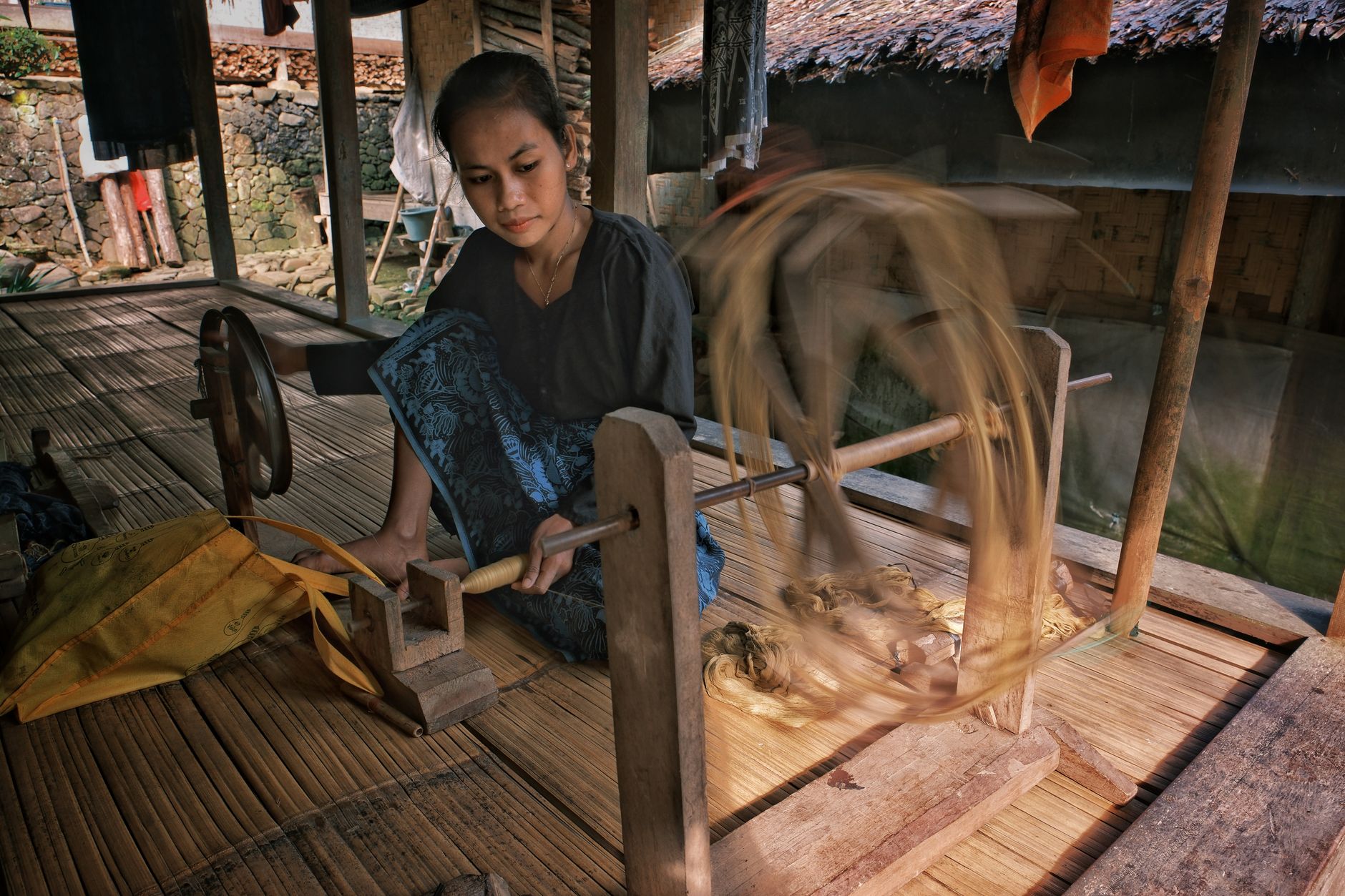
Indian millennials and Gen Z shoppers are increasingly asking one question before buying clothes: “Who made this?” A 2026 survey by the Fashion Design Council of India (FDCI) found that 62% of urban Indian consumers aged 18–35 now prefer sustainable or handmade clothing over fast fashion. The environmental cost of fast fashion — estimated at 10% of global carbon emissions — is pushing buyers toward handloom, which uses minimal electricity, zero industrial chemicals, and creates livelihood for over 35 lakh weaver families across India.
2. Designer-Led Reinvention
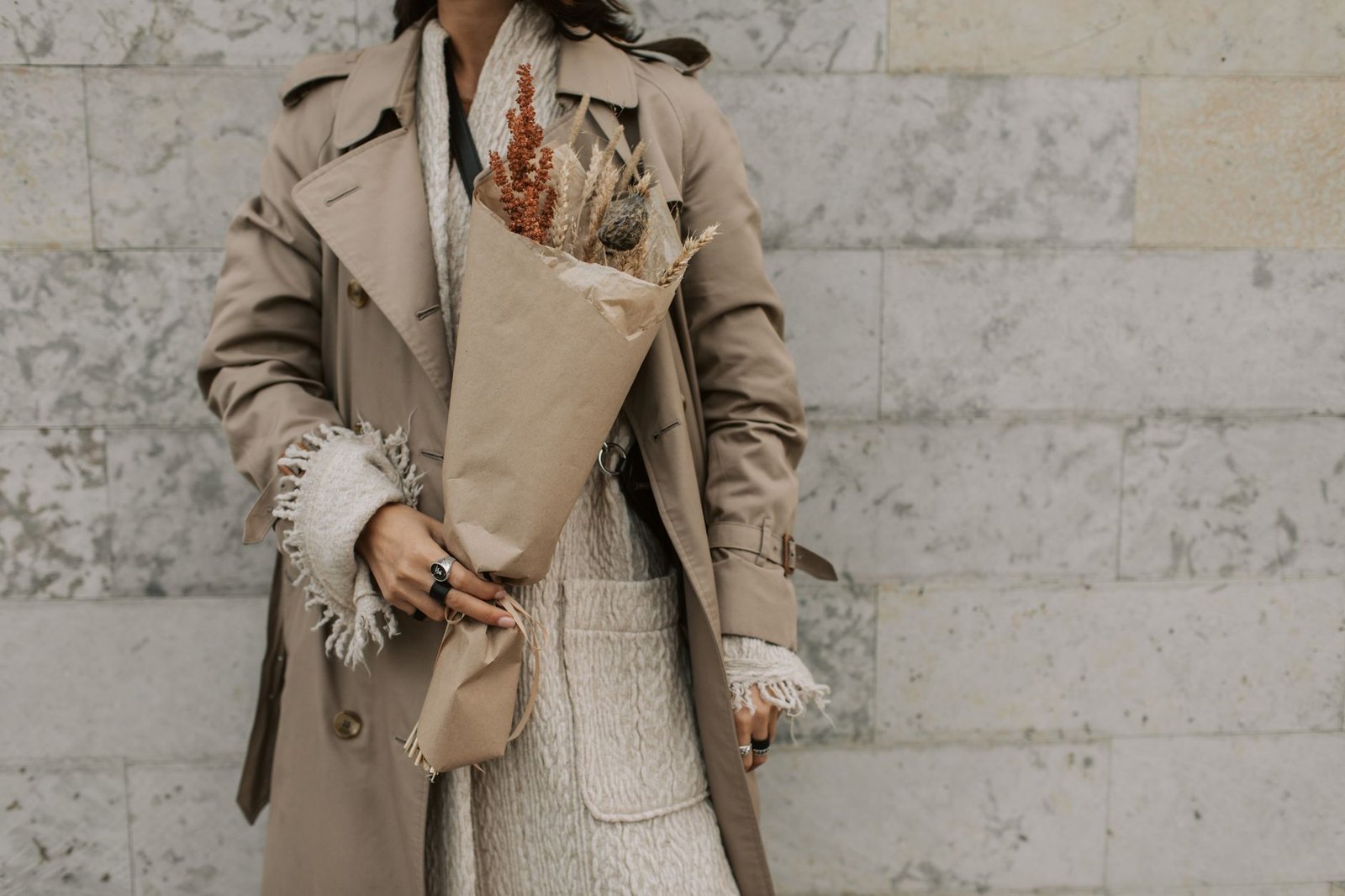
The biggest reason handloom has shed its old-fashioned image? Indian designers are reimagining it completely. Labels like Pero by Aneeth Arora, Anavila, and 11.11/Eleven Eleven have been championing handloom for years. But in 2026, even mainstream commercial brands like FabIndia, Okhai, and newer D2C labels are launching handloom streetwear — think ikat bomber jackets, Chanderi crop tops, and khadi cargo pants.
Designer Rahul Mishra, fresh off his Paris Haute Couture showcase, put it best: “Handloom is not heritage nostalgia. It is the future of fashion — slow, intentional, and deeply personal.”
3. Government and Policy Support
The Indian government’s continued push under the PM Mega Integrated Textile Region (PM MITRA) scheme and GI-tagging of regional weaves has given handloom clusters new visibility. In 2026, Pochampally Ikat, Kanchipuram Silk, and Banarasi weaves carry GI tags that function like a quality trademark — helping weavers command better prices and helping buyers trust authenticity.
Top Handloom Trends Dominating 2026
- Khadi Goes Streetwear: Khadi is no longer limited to kurtas. Expect khadi denim, oversized khadi shirts, and even khadi sneakers from brands experimenting with this versatile fabric. The texture, breathability, and natural appeal of khadi make it perfect for India’s climate.
- Ikat Everything: Pochampally and Sambalpuri ikat patterns are showing up on blazers, tote bags, laptop sleeves, and home decor. The geometric patterns translate beautifully into modern silhouettes.
- Linen-Handloom Blends: Pure handloom can sometimes feel heavy for daily wear. Brands are blending handloom cotton with linen for lightweight, office-friendly pieces that still carry artisan character.
- Chanderi and Maheshwari for Occasion Wear: These Madhya Pradesh weaves, known for their sheer elegance, are replacing imported chiffons and georgettes in wedding and festive wardrobes.
- Unisex Handloom: Gender-fluid fashion is a major 2026 trend globally, and Indian handloom fits right in. Oversized handloom shirts, wide-leg pants, and draped silhouettes work across all body types and genders.
The Economics: Is Handloom Affordable?
Here is the honest truth — quality handloom is not as cheap as a ₹299 fast fashion t-shirt. A good handloom cotton shirt ranges from ₹1,200 to ₹3,500, while handloom sarees can go from ₹2,000 to well over ₹50,000 depending on the weave and region.
However, the cost-per-wear argument strongly favours handloom. These fabrics last years, age beautifully, and hold their colour far better than synthetic alternatives. Many conscious fashion advocates argue that buying three handloom pieces a season is smarter — financially and environmentally — than buying fifteen fast fashion items that fall apart after a few washes.
For budget-conscious buyers, platforms like GoCoop, iTokri, and state handloom cooperatives like Co-Optex (Tamil Nadu) and Boyanika (Odisha) offer authentic handloom at accessible price points, often directly from weaver clusters.
How to Build a Handloom Wardrobe in 2026
If you are new to handloom fashion, here is a practical starting guide:
- Start with basics: A khadi or handloom cotton shirt in white or indigo works with almost anything.
- Add one statement piece: An ikat jacket or a Chanderi dupatta can elevate any outfit instantly.
- Invest in a handloom saree: Whether it is a Tussar silk or a simple cotton Jamdani, one good handloom saree will serve you for decades.
- Check for authenticity: Look for the Handloom Mark — a certification by the Government of India that guarantees the product is genuinely handwoven.
- Support local weavers directly: Visit handloom exhibitions, state emporiums, or verified online platforms to ensure your money reaches the artisans.
The Bigger Picture: Fashion With Purpose
India’s handloom revival is not just a fashion trend — it is an economic and cultural movement. Every handloom purchase supports a weaver’s family, preserves a centuries-old craft tradition, and reduces fashion’s carbon footprint. In a world drowning in disposable clothing, Indian handloom offers something rare: style with substance.
As we move deeper into 2026, the message from India’s fashion industry is clear — the future of style is not manufactured in factories. It is woven by hand, one thread at a time, in villages across this incredible country.
What is your favourite handloom fabric? Are you part of the slow fashion movement? Share your thoughts in the comments below.