Something strange is happening across culture in 2026, and once you notice it, you cannot unsee it. Pop culture trends 2026 have taken a dramatic turn toward the playful, the whimsical, and the deliberately unserious. From fashion runways filled with cartoonish silhouettes and clashing neon prints to restaurants serving meals in toy packaging and social media feeds dominated by absurdist humor, the world seems to have collectively decided that seriousness is overrated. This is not a fleeting TikTok fad or a seasonal blip. According to data from Pinterest, Google Trends, and multiple cultural forecasting agencies, the unserious aesthetic is the defining cultural movement of the year, and it is reshaping how billions of people dress, eat, communicate, and spend their money.
The shift has been building for years, but 2026 is the tipping point. A June 2026 report from the cultural analytics firm Trendalytics found that search interest in terms like “playful fashion,” “dopamine dressing,” and “fun aesthetic” surged by 340% compared to 2023 levels. Meanwhile, Pinterest’s Summer 2026 Trend Report identified “joyful maximalism” and “kidcore for adults” among its fastest-growing categories, with saves increasing by over 200% year-over-year. So why does everything suddenly feel unserious, and what does it mean for the way we live, work, and consume?
The Rise of the Unserious Aesthetic in Pop Culture Trends 2026
The unserious aesthetic is not about being frivolous or lacking substance. Instead, it represents a conscious cultural rebellion against the performative seriousness that defined much of the early 2020s. During the pandemic years and the economic turbulence that followed, culture leaned heavily into hustle mentality, stoic self-improvement, and curated minimalism. Everything had to have a purpose, a brand, and a justification. By 2025, collective exhaustion set in. People were tired of optimizing every moment and presenting a polished, serious version of themselves online and offline.
In 2026, the pendulum has swung decisively. The Vogue Business TikTok Trend Tracker noted in its May 2026 analysis that the most viral content creators are those who embrace absurdity, silliness, and anti-aspirational content. Videos tagged with #unseriousera have accumulated over 18 billion views on TikTok as of June 2026. Instagram’s internal data, shared at its Creator Week event, revealed that posts with playful, humorous, or deliberately “imperfect” aesthetics receive 67% more engagement than polished, aspirational content. The message from audiences is clear: they want to be entertained, not impressed.
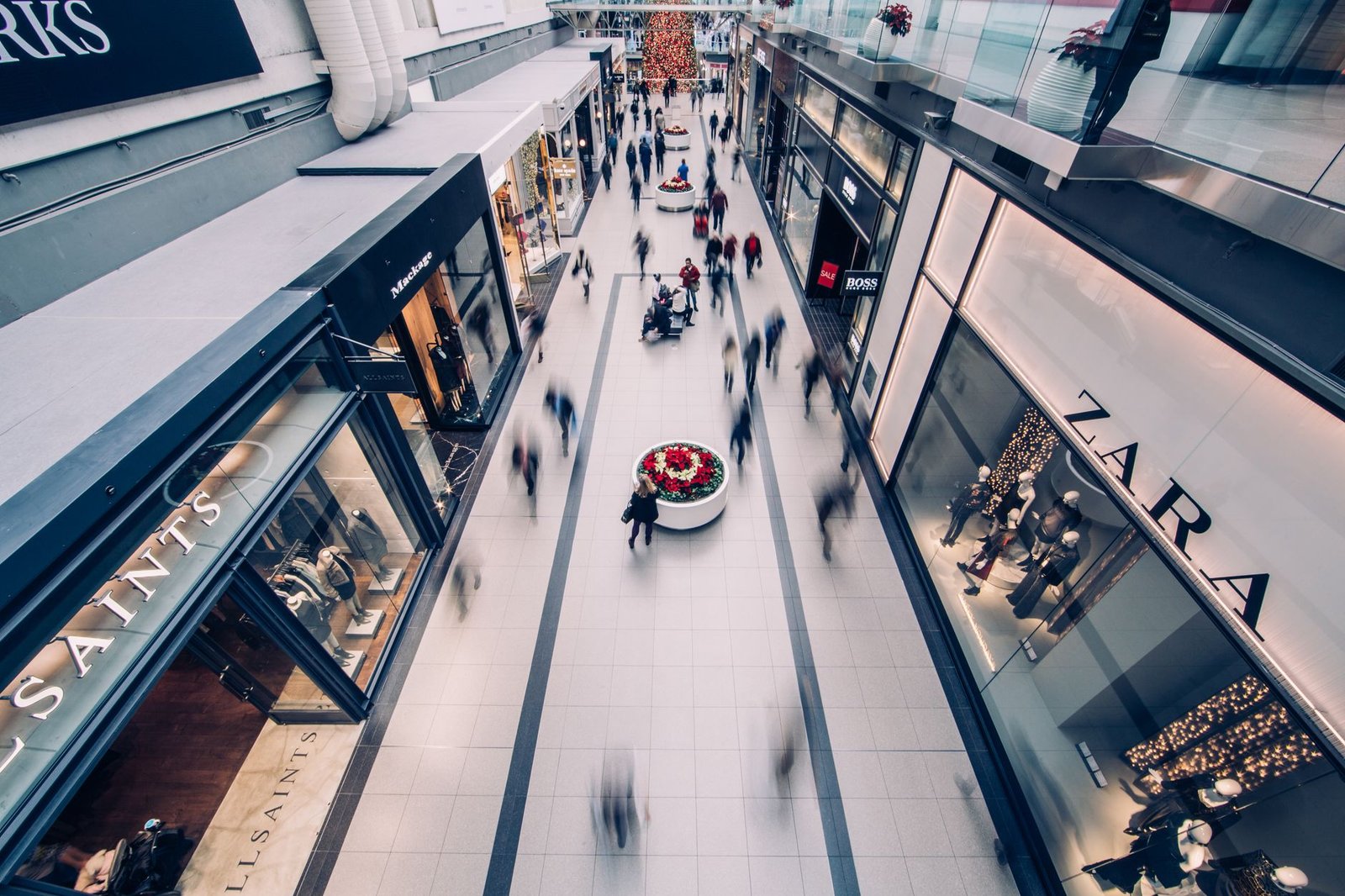
This shift is visible everywhere. The Barbie movie’s cultural impact in 2023 planted seeds that are now in full bloom. Pink, once considered a niche or ironic color choice, is now the second most popular color in global fashion retail according to retail analytics platform Edited. Kidcore — an aesthetic that borrows from childhood nostalgia with bright primary colors, playful patterns, and cartoon motifs — has moved from internet subculture to mainstream fashion collections at Zara, H&M, and Uniqlo.
Pop Culture Trends 2026 in Fashion: Playful Is the New Polished
Fashion has always been a mirror of cultural mood, and in 2026, that mirror reflects pure, unapologetic playfulness. The Spring/Summer 2026 collections from major fashion houses set the tone. Moschino’s collection featured handbag designs shaped like giant gummy bears and cereal boxes. Jacquemus continued its tradition of surreal proportions with hats the size of small tables. Even traditionally conservative brands like Burberry and Prada incorporated clashing prints, unexpected color combinations, and silhouettes that prioritize fun over flattering.
Street style has amplified this tenfold. Pinterest’s Summer 2026 Trend Report documented a 185% increase in saves for “clown-core fashion” and a 290% increase for “mismatched outfit ideas.” Sneaker culture, once obsessed with limited-edition hype drops and resale value, has pivoted toward colorful, chunky, and deliberately odd designs. The best-selling sneaker of Q1 2026 was not a sleek Air Jordan or a minimalist New Balance, but the Crocs x Balenciaga platform clog collaboration, which sold out in 11 minutes and currently resells for three times its retail price.
The numbers tell a compelling story. According to the global fashion search platform Lyst, the top five trending fashion search terms in June 2026 are: “colorful summer outfits,” “fun accessories,” “dopamine dressing ideas,” “cartoon print clothes,” and “maximalist jewelry.” Three years ago, the same list was dominated by terms like “quiet luxury,” “old money aesthetic,” and “capsule wardrobe essentials.” The contrast could not be starker. Fashion consultant and former Vogue editor Sarah Mower observed this shift directly.
“We are witnessing a generational recalibration of what fashion is for. For the past decade, the dominant narrative was about blending in tastefully, about signaling wealth through restraint. In 2026, the cultural energy has completely reversed. People want to signal joy, humor, and personality. They want their clothes to start conversations, not end them. This is not the death of sophistication — it is the redefinition of it.”
Why the Unserious Movement Is Defining Cultural Trends 2026
Understanding why this cultural shift is happening requires looking at several converging forces. First, there is the generational handoff. Gen Z, now aged roughly 14 to 29, has become the dominant cultural force in terms of spending power and trendsetting influence. A 2026 McKinsey report on consumer behavior found that Gen Z consumers are 2.5 times more likely than millennials to prioritize “fun” and “self-expression” over “status” and “quality” when making purchasing decisions. Having grown up in an era of constant crisis — pandemic, climate anxiety, economic instability, political polarization — they have developed a coping mechanism rooted in humor and playfulness rather than earnest optimism or cynical detachment.
Second, the economic context matters enormously. With inflation remaining stubbornly above 3% in most developed economies and housing costs continuing to climb, many young adults have abandoned the traditional milestones of “serious” adulthood — homeownership, career ladder climbing, accumulating luxury goods. Instead, they are investing in experiences, aesthetics, and cultural participation that bring immediate joy. A 2026 Deloitte survey found that 58% of Gen Z respondents agreed with the statement “I would rather spend money on something fun than something practical,” compared to 31% of millennials and 19% of Gen X respondents.
Third, there is a psychological dimension. After years of doom-scrolling, hustle culture, and productivity optimization, the collective psyche is craving release. Dr. Laurie Santos, the Yale professor behind the viral “Science of Well-Being” course, noted in a March 2026 interview that play and humor are scientifically proven stress regulators. “When we see entire cultures leaning into playfulness, it often signals a collective need for emotional regulation after prolonged periods of stress,” she explained. “It is not escapism — it is a healthy adaptive response.”
Pop Culture Trends 2026 in Food, Travel, and Everyday Life
The unserious trend extends far beyond fashion. In food culture, 2026 has seen a dramatic shift away from the clean eating, wellness-focused, and aesthetically minimalist food trends that dominated earlier years. The top food trends identified in June 2026 reflect a new appetite for the fun and the unexpected:
- Playful plating: Restaurants are serving dishes in toy trucks, on miniature skateboards, and inside edible containers shaped like cartoon characters. Instagram food content tagged #funfood has seen a 410% increase in posts since January 2025.
- Nostalgic comfort food revival: Fish fingers, alphabet soup, dinosaur-shaped chicken nuggets, and other childhood favorites are appearing on fine dining menus, reimagined with premium ingredients but maintaining their playful presentation.
- Extreme flavor mashups: Combinations that would have been considered bizarre two years ago — such as chili mango ice cream, truffle-flavored popcorn milkshakes, and pickle pizza — are now bestsellers at trendy establishments worldwide.
- Interactive dining experiences: Build-your-own taco bars, DIY sushi stations, and restaurants where diners assemble their meals like LEGO sets have seen a 200% increase in bookings according to OpenTable’s 2026 midyear data.
- Colorful beverages: Neon-colored lattes, gradient smoothies, and drinks that change color when stirred have become the most photographed menu items of 2026.
Travel trends reflect the same spirit. South Korea’s record-breaking tourism numbers in 2026 are partly driven by the “unserious travel” movement, where visitors seek out quirky, Instagram-worthy, and playful experiences rather than traditional cultural tourism. Theme cafes, immersive pop-up experiences, and novelty attractions are driving bookings more than historical landmarks. A June 2026 Booking.com survey found that 44% of global travelers now prioritize “unique and fun experiences” over “cultural significance” when choosing destinations, up from 28% in 2023.
Even the corporate world is not immune. Office dress codes have loosened to the point where major consulting firms like Deloitte and PwC have issued updated guidelines explicitly permitting “expressive” and “personality-driven” attire. Slack and Teams channels dedicated to sharing funny memes and playful content have become the most active channels in many organizations, and companies like Google and Spotify have redesigned their office spaces with more game rooms, creative zones, and deliberately whimsical decor.
Social Media and the Unserious Content Revolution in 2026
Social media is both a driver and a mirror of the unserious revolution. The platforms that are thriving in 2026 are those that have leaned into playfulness. TikTok’s algorithm has notably shifted to favor humor, absurdity, and creative expression over polished, aspirational content. The platform’s own data shows that the average watch time for “silly” or “absurd” content is 2.3 times higher than for “informational” or “motivational” content, a complete reversal from 2023 patterns.
New content formats reflect this shift. “Chaotic edits” — videos that combine random clips, unexpected transitions, and absurd juxtapositions — are the fastest-growing content format on both TikTok and Instagram Reels, with creation volume up 520% year-over-year according to social analytics firm Sprout Social. The most followed new accounts of 2026 are not fitness influencers, finance gurus, or lifestyle coaches. They are comedians, absurdist creators, and people who make elaborate, pointless projects purely for entertainment.
Brands have taken notice. Marketing campaigns in 2026 are increasingly abandoning the polished, purpose-driven messaging that defined the previous era. Duolingo’s unhinged social media presence, which pioneered the “brand as class clown” approach, has become the template rather than the exception. Ryanair, Wendy’s, Scrub Daddy, and dozens of other brands now maintain deliberately playful, self-deprecating, and humorous social media presences. A 2026 HubSpot marketing survey found that 71% of consumers prefer brands that “do not take themselves too seriously,” and campaigns with humorous elements generate 43% higher engagement rates than serious, purpose-driven campaigns.
Is the Unserious Trend Here to Stay? What Experts Predict
Cultural trends are by nature cyclical, and skeptics argue that the unserious era will eventually give way to a return to earnestness and sophistication. However, several indicators suggest this shift has deeper roots than a typical trend cycle. Li Edelkoort, one of the world’s most respected trend forecasters, argued in her Spring 2026 trend seminar that the current movement represents a “structural shift in cultural values, not a superficial stylistic phase.” She pointed to similar periods in history — the roaring twenties after World War I, the colorful exuberance of the 1960s after the postwar conformity of the 1950s — as evidence that societies emerging from prolonged periods of crisis tend to embrace playfulness for extended periods, often a decade or more.
The economic incentives also favor continuation. Brands and retailers are seeing measurably higher sales from playful, colorful, and whimsical products compared to their minimalist counterparts. Fast fashion giant Shein reported that its best-selling categories in Q1 2026 were all in the “fun and bold” segment, with sales up 78% year-over-year compared to just 12% growth in neutral and minimalist categories. When the market rewards playfulness, the trend tends to sustain itself.
For individuals looking to embrace the unserious trend in their own lives, the experts offer some practical advice:
- Start small with accessories: If a full wardrobe overhaul feels overwhelming, begin with playful accessories — colorful socks, statement earrings, a fun phone case, or a novelty bag.
- Embrace imperfection on social media: Post the blurry photo, the unflattering angle, the failed cooking attempt. Audiences in 2026 respond to authenticity and humor far more than perfection.
- Rediscover play: Adult coloring books, board game nights, playground visits, and creative hobbies with no productive purpose are all surging in popularity for good reason — they genuinely improve mental health.
- Mix high and low: Pair a designer piece with a thrift store find, serve a gourmet meal on paper plates, or put a silly screensaver on your work laptop. The juxtaposition is the point.
- Give yourself permission to be unproductive: Not everything needs to be a side hustle, a personal brand, or a growth opportunity. Sometimes the most valuable thing you can do is something completely pointless and fun.
Conclusion: Pop Culture Trends 2026 Are Rewriting the Rules
The unserious revolution of 2026 is more than a collection of pop culture trends — it is a fundamental reassessment of what matters in a world that has spent years drowning in seriousness. From the fashion choices we make each morning to the food we order, the content we consume, and the way we present ourselves to the world, playfulness has become the new sophistication. The data is clear: consumers, audiences, and individuals are choosing joy, humor, and self-expression over status, optimization, and performative seriousness.
This does not mean the world’s real problems have disappeared or that people have stopped caring. Rather, it suggests that after years of crisis-mode living, humanity has found a healthier, more sustainable way to engage with both the serious and the playful sides of life. As we move through the second half of 2026, expect the unserious trend to deepen further, influencing everything from interior design and workplace culture to education and politics. The era of mandatory seriousness is over. The age of deliberate, defiant, and deeply human playfulness has arrived — and culture is better for it.