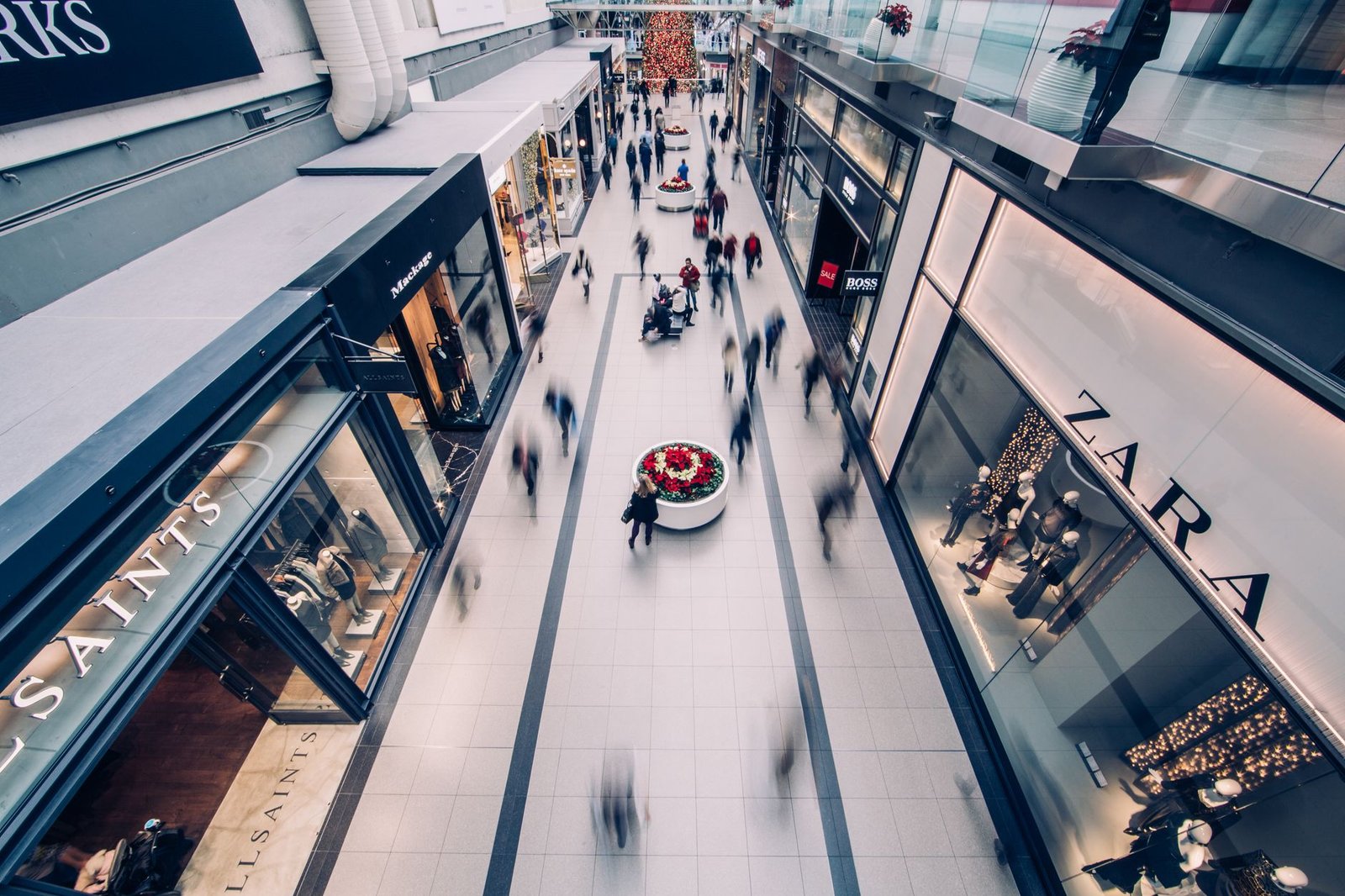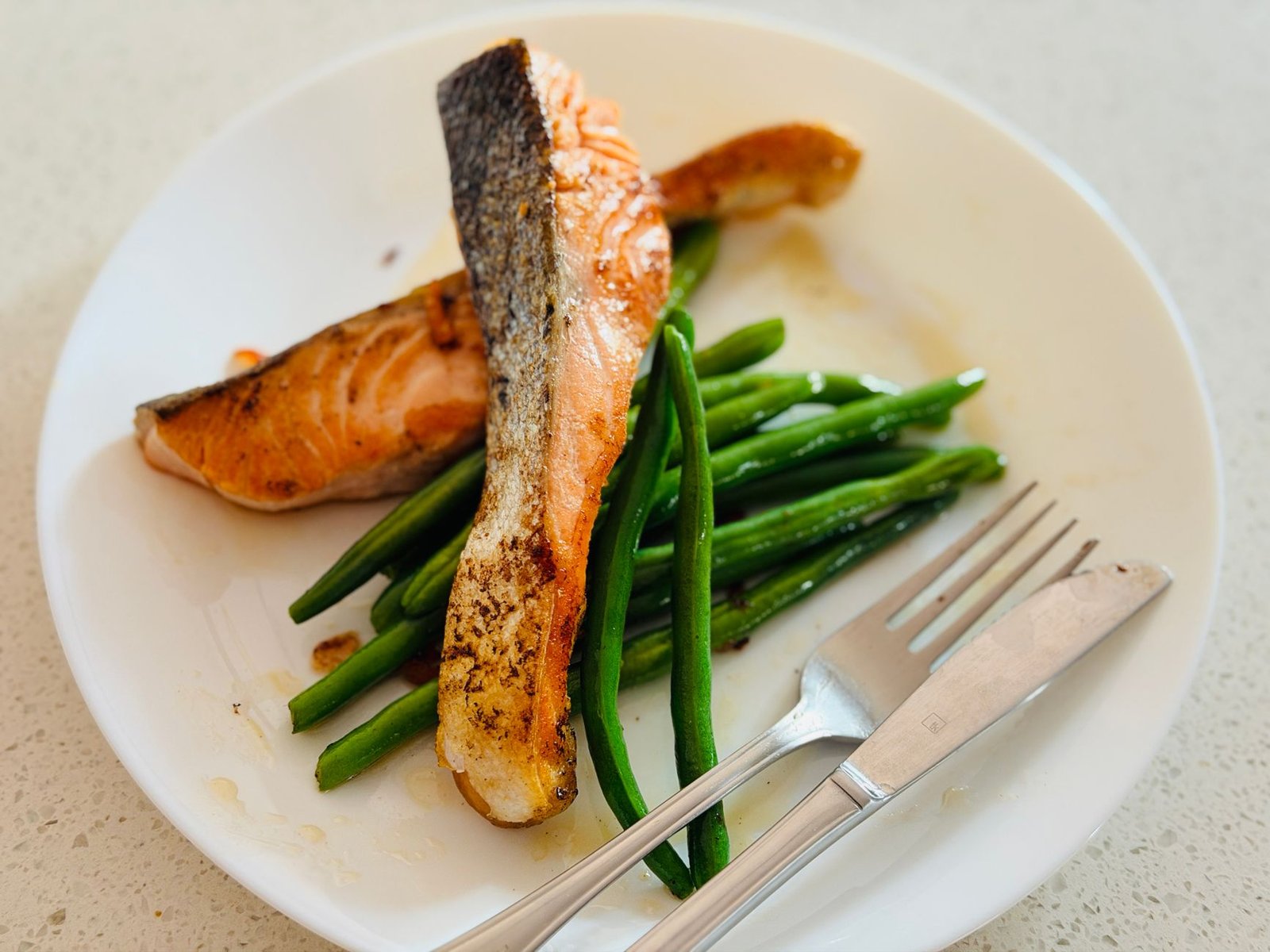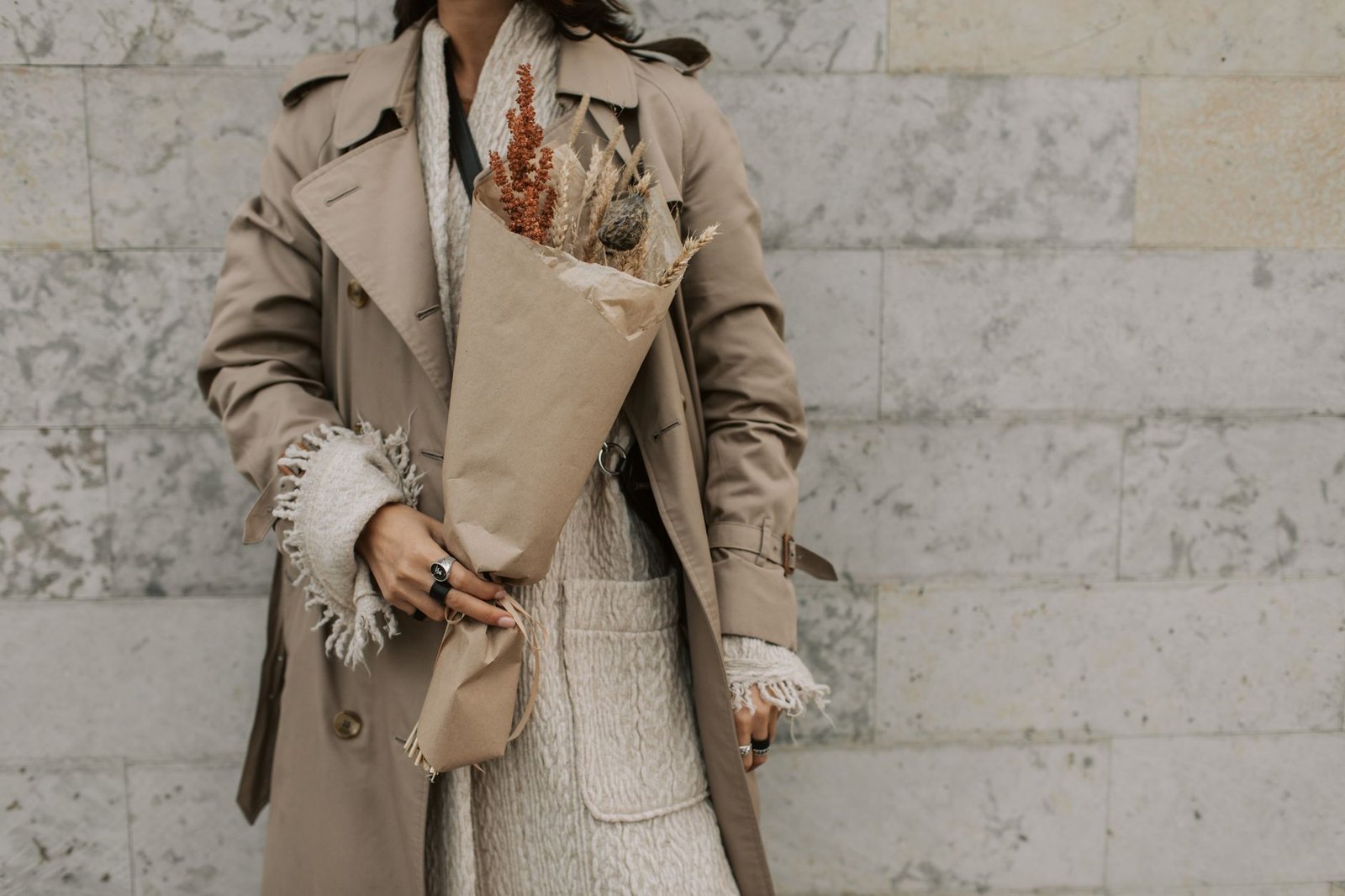
The autumn equinox arrives on September 23, 2026 (the evening of September 22 across the Americas), and the mood has already changed. Summer 2026 was loud, with World Cup jerseys, neon sportswear, gradient lattes and playful, unserious fashion everywhere. The fall trends 2026 season is heading the other way: slower, warmer and more deliberate. Consumer trend reports from this year point to one clear shift. People want fewer, better things, more time at home, food that comforts and nourishes, and style that lasts past the next viral moment. This guide covers the fashion, food, home and lifestyle trends that will shape autumn around the world, with practical ways to use each one without overspending.
Why Fall Trends 2026 Feel Different This Year
Every autumn brings a new wave of knitwear and pumpkin-flavoured everything, but 2026 has a different backdrop. Households in North America, Europe and Asia have spent several years absorbing higher living costs, and that has changed how people shop. Consumers are no longer buying for novelty. They want value, durability and emotional payoff. Recent trend analysis keeps returning to the same themes: intentional spending, the rise of resale, wellness as a daily habit rather than a luxury, and a hunger for real-world experiences after years of screen fatigue.
The social media cycle is also shifting. TikTok and Pinterest still decide which aesthetics go viral, but people are getting tired of micro-trends that last two weeks. In autumn, a season that naturally encourages people to settle in, that fatigue shows up as a preference for classic silhouettes, heritage fabrics, home cooking and hobbies that have nothing to do with a phone. Fall 2026 is less about chasing what’s new and more about making what you have work harder.
The timing also depends on where you live. Readers in Australia, South Africa, Argentina and New Zealand are heading into spring, not autumn. Many of the underlying shifts below, including mindful spending, comfort-driven design and analog living, apply year-round and worldwide. Only the knitwear is seasonal.
Autumn Fashion Trends: The Biggest Fall Trends 2026 in Style
Autumn fashion trends this year combine the comfort of the athleisure era with a renewed interest in tailoring and craftsmanship. After a summer dominated by sport-inspired street style, fashion is moving toward what stylists call elevated comfort: clothing that feels as easy as loungewear but looks polished enough for the office, a dinner or a flight.
- Rich, earthy palettes: Chocolate brown, burgundy, olive, rust and deep plum dominate autumn collections. Soft neutrals also remain strong, helped by Pantone’s choice of the airy white ‘Cloud Dancer’ as its 2026 Color of the Year, which pairs well with warm autumn tones.
- Texture over logos: Suede, brushed wool, corduroy, bouclé and chunky cable knits are replacing loud branding. The quiet signal is the fabric, not the label.
- Relaxed tailoring: Wide-leg trousers, slouchy blazers and longline coats are the defining shapes of the season, and they are cut to be layered over hoodies or fine-gauge knits.
- Sport meets structure: The World Cup summer’s sportswear influence carries on in fall through track jackets under wool coats, sneakers with suits and technical outerwear in muted colours.
- Heritage and craft: Handloom textiles, artisanal knits, Japanese denim and locally made pieces are gaining ground as shoppers look for provenance and personality.
Resale is the biggest structural change behind these autumn fashion trends. ThredUp’s 2025 Resale Report projected the global secondhand apparel market will reach roughly $367 billion by 2029, growing much faster than the broader clothing market. Autumn staples such as wool coats, leather boots and designer knitwear are among the most-searched resale categories because they hold their value and last for years. For many shoppers in 2026, the smartest fall purchase is a pre-owned one.
Fall Food Trends: Comfort Meets Nutrition
Food trend trackers spent 2026 documenting a steady run of protein-packed snacks, cottage cheese experiments and dessert-inspired drinks. As the weather cools, fall food trends are merging that nutrition focus with the classic pull toward comfort food. The result is what some food writers call ‘functional comfort’: hearty, warming dishes built on protein, fibre and gut-friendly ingredients.
- Protein-forward comfort classics: Lentil and bean stews, high-protein mac and cheese, bone broth soups and Greek yogurt-based sauces are replacing heavier cream-based recipes.
- Fermentation season: Autumn is traditionally harvest and preserving time, and home cooks are embracing kimchi, sauerkraut, miso, kefir and sourdough again, driven by strong interest in gut health.
- Beyond pumpkin spice: Starbucks introduced the Pumpkin Spice Latte in 2003, and it still defines the season in many markets. The 2026 flavour story is broader, though, with maple, chai, cardamom, black sesame, ube, miso caramel and brown butter showing up on café menus worldwide.
- Global comfort food: Congee, dal, ramen, Korean jjigae, Moroccan harira and Latin American pozole are moving into mainstream home kitchens, helped by short-form recipe videos.
- Seasonal and local produce: Squash, apples, pears, mushrooms, root vegetables and chestnuts are having a moment as shoppers look for affordable, in-season ingredients.
The cost of groceries sits underneath all of this. Batch cooking, one-pot meals and ‘Sunday soup’ routines have become popular because they cut costs and save time on weeknights. A big pot of lentil soup can feed a family for several days for a fraction of what takeaway costs, which makes it one of the most sensible fall food trends of the year.
Cozy Home Decor and the ‘Nesting’ Instinct
Interior design in 2026 has moved away from the stark minimalism of the previous decade toward warmth, character and comfort. Cozy home decor is the season’s defining home trend, and it goes beyond throw blankets. People are designing homes that feel restorative, rewarding the senses rather than simply looking good on camera.
The Danish idea of hygge, popular worldwide in the mid-2010s, has matured into something more lived-in and personal. Instead of buying a single ‘cozy aesthetic’, homeowners and renters are layering textures, adding vintage finds and using lighting to change the mood of a room as the evenings draw in. As daylight saving time ends on October 25 in the European Union and the UK and on November 1 in the United States and Canada, lighting becomes the most important design decision of the season.
- Warm, layered lighting: Swap harsh overhead bulbs for warm-white lamps (around 2700K), dimmers, table lamps and candles. It is the cheapest way to make any room feel cozier.
- Tactile textiles: Wool throws, linen bedding, velvet cushions and jute rugs add depth without expensive renovation.
- Brown is the new grey: Mocha, caramel, terracotta and deep green walls and furniture have replaced cool greys in many design reports.
- Secondhand and vintage furniture: Solid wood pieces from resale marketplaces are cheaper, more sustainable and more distinctive than flat-pack alternatives.
- Dedicated hobby corners: Reading nooks, craft tables and record-player setups reflect the move toward analog, screen-free leisure.
For renters, the rule is simple: focus on what you can take with you. Lamps, rugs, textiles, plants and art can change a space completely with no damage to the walls and no conflict with the landlord.
‘The defining lifestyle trend of autumn 2026 is not a colour or a product, it is intention. Consumers have lived through years of disruption and rising costs, and they are now rewarding things that feel real: a coat that will last a decade, a meal cooked from scratch, an evening without a screen. Brands that sell permanence and meaning will win this season. Brands that sell only novelty will struggle.’
— Consumer trends analyst specialising in global retail and lifestyle behaviour
Lifestyle Trends 2026: How People Want to Spend Their Autumn
Beyond fashion and food, the broader lifestyle trends 2026 are about time, attention and wellbeing. The global wellness economy, estimated by the Global Wellness Institute at more than $6 trillion, keeps growing, and autumn is when many of those habits get reset after the summer holidays. September has become a second ‘New Year’ for many adults, a moment to rebuild routines.
- The analog revival: Film cameras, vinyl, board games, journaling, knitting and pottery classes are booming, especially among Gen Z and millennials looking for relief from digital overload.
- Cozy fitness: Low-impact walking, Pilates, ‘cozy cardio’ at home and hybrid gym routines are replacing punishing workouts. Short, consistent movement is increasingly seen as more sustainable than extreme programmes.
- Sleep as a priority: Longer nights make autumn the natural season for improving sleep habits, from consistent bedtimes to phone-free bedrooms and darker, cooler rooms.
- Shoulder-season travel: Travellers are choosing September to November trips to avoid peak crowds and prices. Popular options include wine harvests in Europe, autumn foliage in Japan, Korea and New England, and festival season in India.
- Community and gatherings: Supper clubs, potlucks, run clubs and neighbourhood markets reflect a real appetite for in-person connection.
These lifestyle trends 2026 have one thing in common: they are relatively cheap. A walking club, a potluck dinner or a library card costs little or nothing, which is part of why they are spreading so fast in a cost-conscious year.
The Consumer Shifts Behind Fall Trends 2026
To understand fall trends 2026 properly, it helps to look at the economic and cultural forces behind them. Several big consumer shifts are shaping how people buy, and they will outlast this season.
First, ‘value’ has been redefined. Shoppers no longer equate value with the lowest price. They look at cost per wear, cost per use and how long a product will last. That is why premium basics, resale platforms and repair services are all growing together. Second, experiences keep competing with things. Pop-up shops, workshops, tasting events and live entertainment are taking a larger share of discretionary spending, particularly among younger consumers. Third, sustainability has become practical rather than aspirational. Most shoppers will not pay a large premium for a ‘green’ label, but they readily buy secondhand, borrow, rent and repair when it also saves money.
Finally, artificial intelligence is quietly changing how people discover trends. AI shopping assistants, visual search on platforms such as Pinterest and personalised recommendations mean trends now spread through niche communities rather than a single fashion calendar. The practical result is more personal style and fewer universal ‘must-haves’.
How to Embrace Fall Trends 2026 on a Budget
You don’t need a new wardrobe or a home makeover to enjoy the season. The smartest way to adopt fall trends 2026 is to add a few meaningful pieces to what you already own. Here is a practical plan you can start this week:
- Audit before you shop: Take out last year’s autumn clothes, repair what needs it, and list the one or two pieces that would actually fill a gap, such as a good coat or a pair of boots.
- Buy one textured statement piece: A suede jacket, corduroy trousers or a chunky knit instantly updates an existing wardrobe.
- Check resale first: Search secondhand platforms for coats, knitwear and leather goods before paying full retail.
- Relight your home: Two warm-white lamps and a few candles will do more for your space than a new sofa.
- Start a weekly soup or stew night: Batch cooking saves money, cuts food waste and covers the season’s comfort-food cravings.
- Pick one analog hobby: Reading, journaling, knitting or a weekly walk gives you a screen-free ritual for the darker evenings.
- Book shoulder-season travel now: October and November trips are often much cheaper than summer and far less crowded.
Conclusion: Fall Trends 2026 Are About Living Well, Not Buying More
This autumn marks a clear change from the fast, loud trend cycle of recent summers. The fall trends 2026 season rewards texture over logos, home cooking over takeaway, warm light over bright screens and quality over quantity. Whether you are in Toronto, London, Mumbai, Seoul or New York, the global mood is the same: slow down, invest wisely and make everyday life feel richer.
Key takeaways:
- Autumn fashion trends favour earthy colours, rich textures, relaxed tailoring and pre-owned pieces.
- Fall food trends combine comfort with nutrition: protein-rich stews, fermented foods and global comfort dishes.
- Cozy home decor is about warm lighting, tactile textiles and warm brown tones rather than expensive renovation.
- Lifestyle trends 2026 centre on analog hobbies, gentle fitness, better sleep, shoulder-season travel and real-world community.
- Behind all of it is a lasting consumer shift toward value, durability and experiences over stuff.
The best way to follow this season’s trends is to choose the ones that actually improve your daily life and leave the rest alone. Most of the season’s best ideas cost little or nothing.