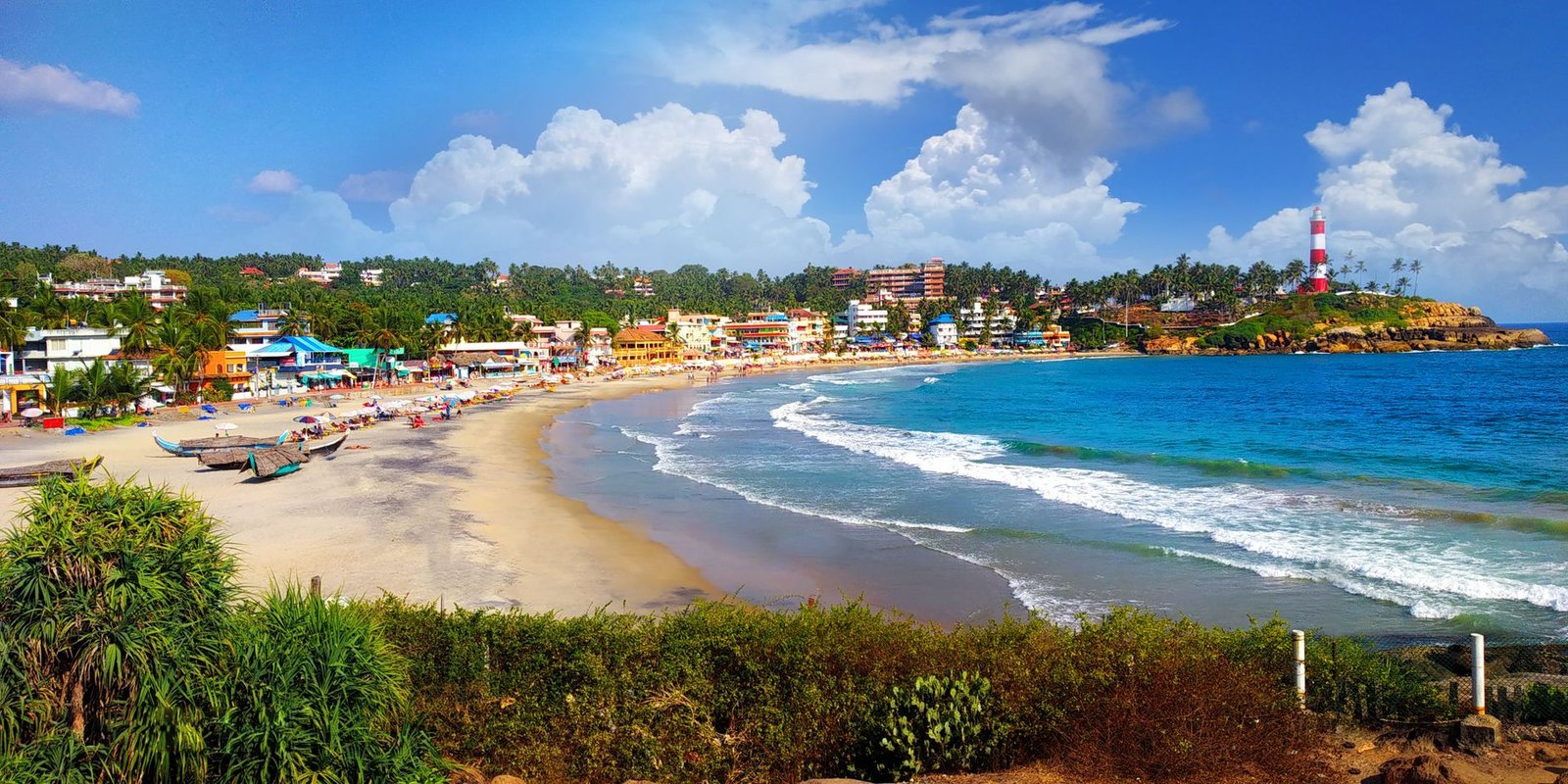
Dreaming of turquoise water and white sand but working with a real-world budget? You are far from alone. Searches for cheap beach vacations have surged more than 40% year-over-year as travelers in 2026 push back against record hotel prices in traditional hotspots like the Maldives, Mykonos, and Maui. The good news: the world is full of spectacular coastlines where your money stretches three to five times further — places where a beachfront room costs less than a mid-range dinner in Miami. In this guide, we break down the best budget beach destinations for 2026, real daily costs, the smartest booking windows, and the money-saving tactics seasoned travelers actually use.
Why Cheap Beach Vacations Are Trending in 2026
The travel industry has fully rebounded — and then some. The UN World Tourism Organization reports that international arrivals in 2025 exceeded 1.5 billion, surpassing pre-pandemic records, and 2026 is on pace to climb higher still, boosted by mega-events like the FIFA World Cup across North America. That demand has pushed average nightly hotel rates in premium beach markets up 18–25% since 2023, according to industry data from STR and CoStar.
At the same time, travelers have become dramatically more price-savvy. Skyscanner’s 2026 Travel Trends report found that 68% of travelers now rank “value for money” as their top factor when choosing a destination — ahead of weather, food, and even safety perceptions. The result is a boom in what analysts call “destination dupes”: affordable beach holidays that deliver the same sand, sun, and scenery as famous resorts at a fraction of the price. Think Albania instead of the Amalfi Coast, or Vietnam’s Phu Quoc instead of Phuket’s busiest strips.
Currency dynamics also matter. Travelers holding US dollars, euros, or pounds enjoy strong purchasing power in Southeast Asia, Latin America, and parts of Eastern Europe in 2026 — meaning the same trip budget buys longer stays, better rooms, and more experiences.
The Best Cheap Beach Vacations for 2026: Top Destinations
These destinations combine genuinely beautiful beaches with daily budgets that most travelers can afford. Estimated daily costs cover a comfortable mid-budget trip for one person: private accommodation, three meals, local transport, and activities.
- Albania (Ksamil & the Albanian Riviera) — $45–70/day. The worst-kept secret in Europe keeps getting better. Ksamil’s Caribbean-blue coves and Dhermi’s pebble beaches rival Greece, yet beachfront rooms still run $40–60 a night in shoulder season. Visit in June or September to dodge the growing summer crowds.
- Vietnam (Phu Quoc & Da Nang) — $35–60/day. Vietnam extended its e-visa program to 90 days, and Phu Quoc offers visa-free entry for up to 30 days for most nationalities. Long Beach sunsets, $2 bowls of bun cha, and four-star resorts under $80 make this arguably the best beach value in Asia.
- Mexico (Puerto Escondido & Isla Holbox) — $50–80/day. Skip Cancun’s resort prices. Oaxaca’s Pacific coast delivers world-class surf and mezcal-fueled nightlife, while car-free Holbox offers bioluminescent waters and flamingos at boutique-hostel prices.
- Sri Lanka (Mirissa, Arugam Bay & Tangalle) — $35–55/day. With tourism fully recovered and the rupee favorable, Sri Lanka is a standout in 2026. Whale watching in Mirissa costs around $40 — a fifth of what similar tours cost in Iceland or California.
- Portugal (The Algarve, off-season) — $60–90/day. Western Europe’s best-value coastline. In May or October, dramatic cliff-backed beaches like Praia da Marinha are warm, uncrowded, and roughly 40% cheaper than peak July rates.
- Philippines (Siargao & Port Barton) — $40–65/day. Beyond famous El Nido, quieter Port Barton on Palawan and surf-haven Siargao offer island-hopping tours for under $25 and beachfront cottages from $30.
- Morocco (Taghazout & Essaouira) — $40–65/day. Year-round sun, Atlantic surf breaks, and surf camps with room, board, and lessons bundled from $350 a week. Ideal for a winter-sun escape from Europe with no long-haul flight.
- Colombia (San Andrés & the Caribbean coast) — $45–70/day. The “sea of seven colors” around San Andrés is one of the Caribbean’s cheapest paradises, and Tayrona National Park pairs jungle trekking with wild, palm-lined beaches.
How to Budget for Cheap Beach Vacations: Real Numbers
The single biggest myth about affordable beach holidays is that flights make them impossible. In reality, accommodation and daily spending — not airfare — typically consume 60–70% of a total trip budget on stays of a week or more. A $700 round-trip long-haul flight to Vietnam hurts less than $300-per-night rooms in Hawaii over seven nights.
Here is what a realistic seven-day beach trip budget looks like in 2026 for one traveler, based on aggregated data from Budget Your Trip and Numbeo:
- Ultra-budget (Southeast Asia): $250–450 on the ground, plus flights. Hostels or guesthouses, street food, public transport.
- Mid-range comfort (Albania, Sri Lanka, Mexico): $400–700 on the ground. Private rooms with air conditioning, restaurant meals, a few paid tours.
- Affordable indulgence (Algarve off-season, Phu Quoc resorts): $700–1,100 on the ground. Four-star stays, seafood dinners, spa treatments — still less than three nights in Maui.
Compare that with the world’s most expensive beach destinations, where average daily costs exceed $500 per person in the Maldives and $400 in Bora Bora, and the value gap becomes staggering: a full week in Sri Lanka can cost less than a single night in an overwater villa.
“The travelers getting the best beach vacations in 2026 aren’t the ones spending the most — they’re the ones timing shoulder season, booking six to eight weeks out, and choosing destinations where the exchange rate works in their favor. A $1,000 budget is a compromise in the Caribbean high season; in coastal Vietnam or Albania, it’s a luxury trip.” — Hayley Berg, lead economist at travel app Hopper
Timing Is Everything: When to Book Budget Beach Destinations
Shoulder season is the budget traveler’s most powerful tool. Traveling just two to four weeks outside peak season typically cuts accommodation costs 30–50% while weather remains excellent. For Mediterranean and Adriatic beaches, that means late May–June and September–early October. For Southeast Asia, aim for the edges of dry season: November and April for Thailand and Vietnam’s south, or May and September for the Philippines.
Flight timing matters too. Data from Google Flights and Hopper consistently shows international airfare bottoming out roughly six to ten weeks before departure for most routes, with Tuesday and Wednesday departures averaging 12–18% cheaper than weekend flights. Set price alerts early, and be flexible on airports: flying into Tirana instead of Corfu, or Da Nang instead of a beach-adjacent resort strip, routinely saves hundreds of dollars.
One 2026-specific tip: with the World Cup drawing millions of visitors to the United States, Canada, and Mexico between June and July, flights and hotels near host cities — including beach cities like Miami and Guadalajara-adjacent coasts — will spike. If Mexico is your target, book far in advance or travel in late August and September, when prices reset and Pacific-coast weather remains warm.
Money-Saving Tips That Actually Work on the Beach
Beyond destination choice and timing, small tactical decisions compound into serious savings. These are the strategies frequent budget travelers rely on:
- Book accommodation with a kitchen. Even cooking breakfast alone cuts food spending 20–25% over a week. Apartments and aparthotels are often cheaper than hotels in beach towns.
- Stay one street back from the beach. Rooms 200 meters from the sand routinely cost 30–40% less than true beachfront — with the exact same beach.
- Eat where locals eat lunch. In most beach destinations, the best-value meal of the day is a local lunch special: menú del dÃa in Mexico and Colombia, com binh dan in Vietnam, or a Portuguese prato do dia for under €10.
- Use local transport and ferries. A public bus along the Albanian Riviera costs a couple of euros; the same route by private transfer runs €50+.
- Pay in local currency and skip dynamic conversion. Cards with no foreign transaction fees and ATM withdrawals in local currency avoid the 3–7% markup of airport exchange desks and “pay in your home currency” traps.
- Negotiate for longer stays. Guesthouses across Asia, Latin America, and the Balkans commonly discount 10–20% for weekly bookings — often you just have to ask, especially if you message the property directly.
- Travel with a group of three or four. Splitting a two-bedroom apartment and taxis can push per-person costs below solo hostel rates while upgrading comfort dramatically.
Common Mistakes That Make “Cheap” Beach Trips Expensive
Plenty of travelers pick an affordable destination and still overspend. The most common trap is resort-zone pricing: staying inside an enclave where every meal, drink, and towel rental is priced for captive tourists. In Cancun’s hotel zone, a basic cocktail runs $12–15; in downtown Puerto Escondido, it’s $4. Choosing towns with real local economies — not purpose-built resort strips — is the single most reliable way to keep daily costs down.
The second trap is underestimating activity costs. Island-hopping tours, diving, and boat rentals add up fast if booked through hotels or online aggregators. Booking directly with operators on the ground, comparing two or three shops in person, and traveling with certified-review awareness typically saves 20–30% on the exact same excursions.
Finally, don’t skip travel insurance to save money — a single clinic visit abroad can erase an entire trip’s savings. Basic policies for a week now start around $25–40, and many premium travel credit cards include coverage you may already be paying for. Cheap should mean smart, not exposed.
Conclusion: Paradise Doesn’t Require a Premium
The era of assuming a beach vacation must be expensive is over. In 2026, the combination of destination dupes, favorable exchange rates, shoulder-season strategy, and smarter booking tools means genuinely world-class beaches are within reach of almost any budget. The key takeaways:
- Choose value destinations: Albania, Vietnam, Sri Lanka, Mexico’s Pacific coast, Morocco, and the Philippines lead the pack for cheap beach vacations in 2026.
- Time it right: Shoulder season cuts costs 30–50%; book flights six to ten weeks out and avoid World Cup crowd surges in North America.
- Spend like a local: Stay a street back from the sand, eat lunch specials, use public transport, and book tours in person.
- Budget realistically: $400–700 covers a comfortable week on the ground in most of these destinations — less than two nights in a luxury Caribbean resort.
The ocean doesn’t check your bank balance. With the right destination and a little planning, your best beach vacation yet might also be your cheapest.