If you want to know how the world is really feeling, do not read a survey. Read the search bar. Google’s latest review of wellness queries shows that stress management has become the defining health search of 2026, outpacing diet, fitness and even sleep in year-on-year growth. Searches for “how to lower cortisol” have more than tripled since 2023, “burnout recovery” has hit an all-time high in 14 countries, and “nervous system reset” went from a fringe phrase to a mainstream query in under 18 months. Behind the data is a simple story: a global population that is tired, over-stimulated and finally willing to ask for help, one search at a time.
This article breaks down what the search data actually says, why stress management has moved to the centre of the $6.8 trillion wellness economy, and, most importantly, which of the trending techniques are backed by evidence and which are just algorithm-friendly noise.
What Google Trends Says About Stress Management in 2026
Google’s 2026 wellness analysis, released alongside its annual Year in Search preview, grouped rising queries into five themes: personalization, prevention, recovery, mental fitness and “real-life” well-being. Stress-related terms appeared in every one of those buckets. The single fastest-rising wellness query worldwide between January and August 2026 was “cortisol face”, a social-media-driven term, followed by “how to manage stress at work”, “vagus nerve exercises” and “is burnout a medical condition”.
The geography is telling. Interest in stress management is no longer concentrated in the United States and Western Europe. India, Brazil, Indonesia, Nigeria and the Philippines all recorded record search interest in 2026, mirroring data from the World Health Organization, which estimates that anxiety and depressive disorders cost the global economy roughly $1 trillion a year in lost productivity. Gallup’s 2025 State of the Global Workplace report found that 41% of employees worldwide experienced “a lot of stress” the previous day, a figure that has barely moved since its pandemic-era peak.
Perhaps the most striking shift is in intent. In 2020, the top stress-related searches were reactive: “panic attack symptoms”, “can stress cause chest pain”. In 2026, the dominant queries are proactive and skills-based: “daily stress management routine”, “stress management techniques for students”, “how to build stress resilience”. People are no longer only searching in crisis. They are searching to prevent one.
Why Cortisol Levels Became the Internet’s Favourite Villain
No hormone has had a bigger year than cortisol. Searches for “cortisol levels” rose 210% globally between 2024 and 2026, driven largely by short-form video creators promising to “balance” it with supplements, morning sunlight and specific foods. The obsession has spilled into retail: sales of adaptogen products such as ashwagandha grew an estimated 27% in 2025, according to market tracker SPINS, and “cortisol cocktails” made from coconut water, orange juice and salt became a viral morning ritual.
The science is more nuanced than the videos suggest. Cortisol is not a toxin. It follows a healthy daily rhythm, peaking within an hour of waking and falling through the evening, and it is essential for energy, blood-pressure regulation and immune function. Genuinely abnormal cortisol, as in Cushing’s syndrome or Addison’s disease, is rare and requires medical diagnosis. What most people are describing when they say “high cortisol” is chronic stress: a nervous system that stays in a state of alert for weeks or months without adequate recovery.
That distinction matters because it changes the solution. You cannot supplement your way out of a lifestyle that never switches off. The interventions with the strongest evidence for normalising the stress response are unglamorous: consistent sleep timing, regular aerobic exercise, reduced alcohol, and structured recovery time. A 2024 meta-analysis in Psychoneuroendocrinology covering 42 trials found that mindfulness-based programmes produced a small but reliable reduction in cortisol output, while the evidence for most “cortisol-lowering” supplements remained weak or inconsistent.
Burnout Recovery: The Search That Defines Working Life in 2026
“Burnout recovery” reached its highest-ever global search interest in March 2026, and it has stayed elevated since. The term has moved out of the corporate wellness niche and into everyday vocabulary. The WHO formally classifies burnout as an occupational phenomenon in the ICD-11, defined by three dimensions: exhaustion, mental distance or cynicism about one’s job, and reduced professional efficacy. It is not a medical diagnosis, but it is a recognised risk factor for depression, cardiovascular disease and long-term sick leave.
The 2026 data suggests burnout has spread well beyond office workers. Rising queries include “parental burnout”, “caregiver burnout”, “student burnout” and, notably, “AI burnout”, a phrase describing the fatigue of constantly adapting to new tools and the pressure to be perpetually more productive. Deloitte’s 2026 Global Gen Z and Millennial Survey found that 40% of Gen Z respondents felt stressed or anxious “all or most of the time”, with workload and financial insecurity as the top drivers.
Recovery, according to occupational psychologists, follows a fairly predictable arc. The first stage is acknowledgement, which is where search behaviour begins. The second is removing or reducing the primary stressor, which is often the hardest step because it may involve difficult conversations with an employer or family. The third is rebuilding recovery capacity through sleep, movement and social connection. The fourth is redesigning boundaries so the pattern does not repeat. Research from the Karolinska Institute in Sweden suggests that full recovery from clinical exhaustion can take one to two years, which is why early intervention, before the crash, is so valuable.
“The most important thing the search data tells us is that people now understand stress as a skill problem rather than a character flaw. Ten years ago, admitting you were overwhelmed felt like weakness. Today, people type ‘how do I manage this’ into their phone at midnight and expect a practical answer. That shift in framing is itself a public-health win, because it opens the door to evidence-based tools instead of silent suffering.” — Dr. Priya Raman, clinical psychologist and researcher in occupational mental health
Sleep Hygiene Is the Foundation of Every Stress Management Plan
Sleep and stress are locked in a loop. Poor sleep raises next-day cortisol and emotional reactivity, and elevated stress makes falling asleep harder. Google’s 2026 report notes that sleep queries have shifted from “why can’t I sleep” toward optimisation terms: “sleep hygiene checklist”, “sleepmaxxing”, “best sleep temperature” and “magnesium for sleep”. The wearable industry has amplified this. Oura, Whoop, Garmin and Apple now collectively track sleep for an estimated 200 million users, and their “readiness” and “recovery” scores have made stress physiology a daily conversation.
The evidence for sleep hygiene as a stress-management tool is robust. A landmark 2021 study in Sleep Medicine Reviews found that improving sleep quality produced significant reductions in depression, anxiety and rumination, with larger improvements in sleep leading to larger mental-health gains. The Centers for Disease Control and Prevention reports that around one in three adults still gets less than the recommended seven hours per night, a figure that has not improved despite a decade of wellness marketing.
There is a catch. For a minority of users, sleep tracking backfires. Researchers coined the term “orthosomnia” to describe anxiety caused by chasing a perfect sleep score. If checking your ring or watch in the morning makes you feel worse, the data is no longer serving you. The practical rule is simple: use trackers to spot patterns over weeks, not to grade individual nights.
Mental Fitness: From Buzzword to Daily Practice
The phrase “mental fitness” has surged in 2026, helped by companies rebranding around it and by schools in the UK, Australia, Singapore and India adding structured emotional-skills lessons to the curriculum. The concept reframes mental health as something you train, like cardiovascular fitness, rather than something you either have or lack. Searches for “mental fitness exercises”, “cognitive reframing” and “emotional regulation techniques” have all roughly doubled since 2024.
The clinical foundation here is cognitive behavioural therapy (CBT), which has decades of trials behind it and is the recommended first-line treatment for anxiety in most national health guidelines. Many of the trending techniques are simplified CBT: naming the thought, checking the evidence for it, and choosing a more useful interpretation. Digital delivery has widened access. A 2025 review in The Lancet Digital Health found that guided app-based CBT produced outcomes comparable to in-person therapy for mild to moderate anxiety, though unguided apps with no human support performed noticeably worse.
The market has responded fast. The global mental-wellness segment was valued at roughly $180 billion in 2024 by the Global Wellness Institute and is growing at close to 12% a year. The risk is that “mental fitness” becomes a marketing wrapper for products with no evidence. The tell is specificity: a credible programme names the technique it is teaching and the research it draws on, while a weak one promises to “rewire your brain” in seven days.
Stress Management Techniques That Actually Work
Strip away the trends and a small set of interventions consistently perform in controlled studies. None of them are new, and none of them require a purchase. What is new in 2026 is that the search data shows people are actively looking for them.
- Slow breathing, five to six breaths per minute. A 2023 meta-analysis in Scientific Reports covering 12 randomised trials found that structured breathwork significantly reduced self-reported stress. The most studied pattern is a four-second inhale and six-second exhale for five minutes. “Physiological sighs”, two quick inhales followed by a long exhale, showed the largest mood benefit in a 2023 Stanford study.
- Aerobic exercise, 150 minutes a week. Exercise is arguably the single most effective non-drug intervention for anxiety. A 2023 umbrella review in the British Journal of Sports Medicine covering more than 128,000 participants found physical activity was 1.5 times more effective than medication or counselling for mild to moderate symptoms of depression and distress.
- Daylight in the first hour after waking. Morning light anchors the cortisol rhythm and improves sleep onset that night. Ten to twenty minutes outdoors is enough on a clear day; overcast days need longer.
- A fixed sleep and wake time, seven days a week. Consistency matters more than total duration for regulating the stress response. Social jet lag, the gap between weekday and weekend sleep schedules, is independently linked to higher perceived stress.
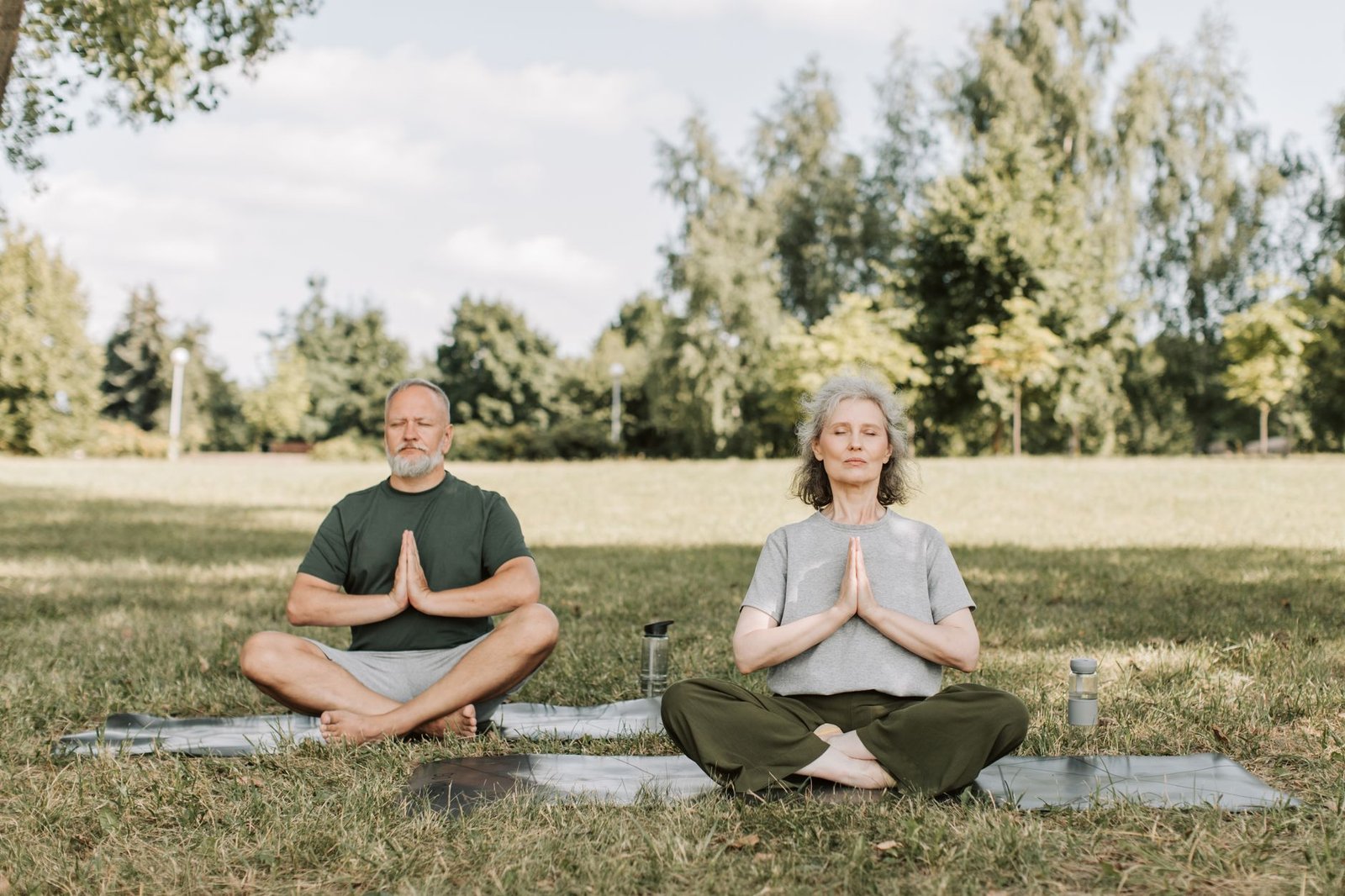
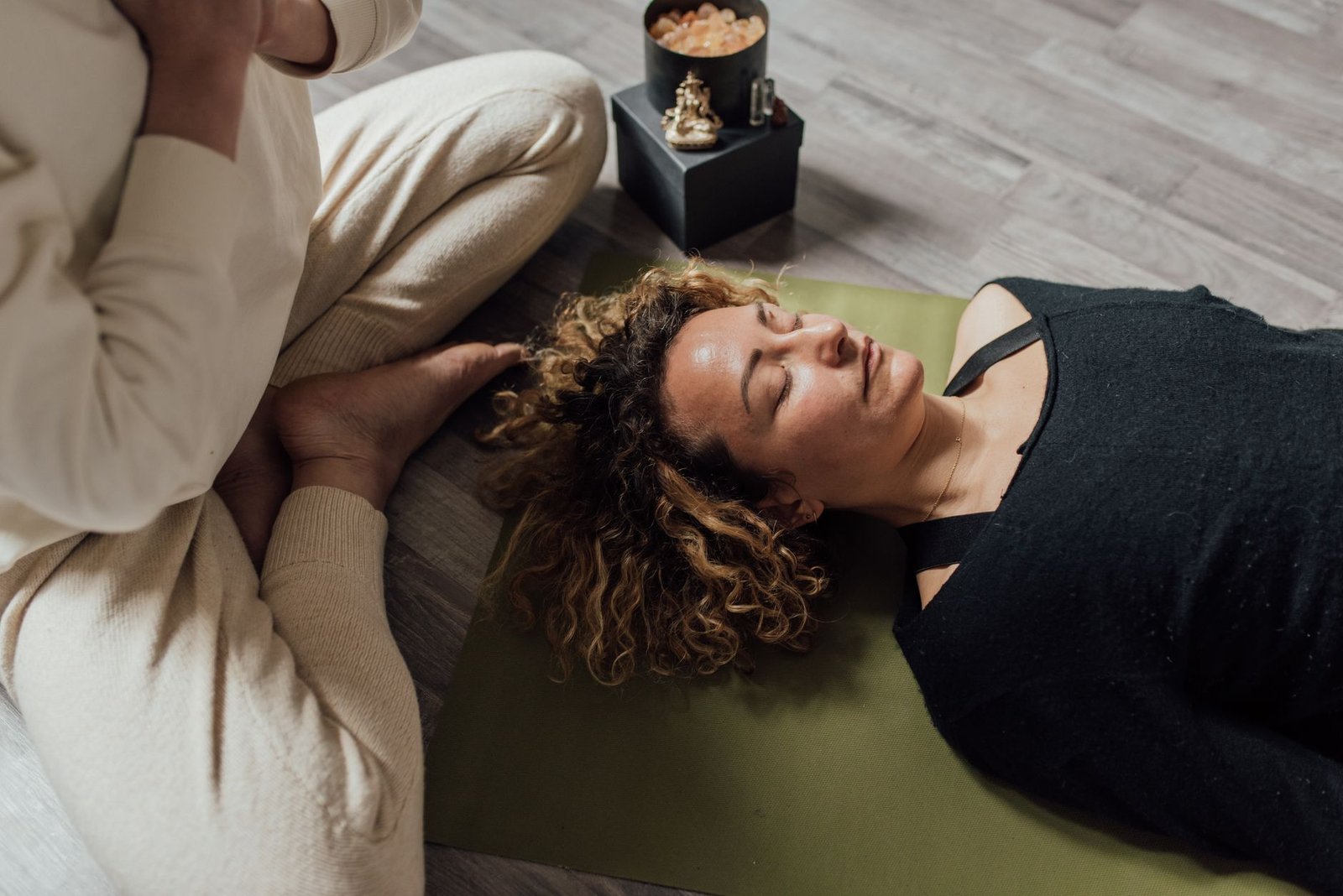
- Mindfulness, ten minutes a day. Mindfulness-Based Stress Reduction has more than 40 years of research behind it. Short daily practice produces measurable reductions in anxiety within eight weeks in most trials.
- Social connection. The 2023 US Surgeon General’s advisory on loneliness estimated the health impact of social isolation as comparable to smoking 15 cigarettes a day. A weekly call, a walk with a friend, or a group activity buffers stress in ways no app can replicate.
- Cutting alcohol, especially in the evening. Alcohol fragments sleep in the second half of the night and raises next-day anxiety, the so-called “hangxiety” effect that has driven the rise of sober-curious searches among under-35s.
What does not hold up well under scrutiny: most “cortisol detox” supplements, cold plunges as a stand-alone stress cure (the evidence for mood is short-lived and mixed), and any programme promising to “heal your nervous system” in a fixed number of days. Cold exposure and adaptogens are not harmful for most healthy adults, but they are add-ons, not foundations.
How to Build a Stress Management Routine This Week
Knowing what works is not the same as doing it. The search data shows a persistent gap: “stress management tips” is searched roughly ten times more often than “stress management plan”, suggesting people collect ideas but struggle to implement them. Here is a minimal, evidence-aligned structure you can start today.
- Day 1 to 2: Measure the baseline. For two days, note your stress level from one to ten at three points: morning, mid-afternoon and before bed. Also note sleep time, wake time and caffeine after 2pm. You are looking for patterns, not perfection.
- Day 3: Fix the anchor. Choose a wake time you can keep seven days a week and get outside within 60 minutes of it. This single habit stabilises the cortisol rhythm more than any supplement.
- Day 4: Add one five-minute breathing session. Attach it to an existing habit, such as after brushing your teeth or before opening your laptop. Extended exhales, roughly six seconds out, are the key detail.
- Day 5: Schedule movement. Three sessions of 30 minutes of brisk walking, cycling or anything that raises your heart rate. Put them in your calendar as non-negotiable appointments.
- Day 6: Set one boundary. A hard stop on work email, a phone-free hour before bed, or a single afternoon each week that belongs to you. Burnout recovery depends on protected recovery time, not just less work.
- Day 7: Review and repeat. Compare your stress scores with day one. Keep what helped, drop what did not, and add one element the following week.
If your stress includes persistent low mood, panic attacks, thoughts of self-harm, or symptoms lasting longer than two weeks that interfere with daily life, self-help is not enough. Speak to a doctor or a licensed mental-health professional. In many countries, free or low-cost support lines are available 24 hours a day, and CBT is increasingly accessible through public health systems and employer programmes.
Conclusion: The Search Bar Is Telling the Truth
Google’s 2026 wellness data confirms what clinicians have been saying for years: stress is the through-line connecting almost every other health concern, from sleep and weight to heart disease and depression. The good news is that the searches themselves show a population moving from panic toward prevention, and from vague worry toward specific, learnable skills. Stress management is no longer a luxury topic for the wellness elite. It is a global, everyday competency, and the tools with the strongest evidence are free.
Key takeaways:
- Stress management was the fastest-growing wellness search category worldwide in 2026, with record interest across Asia, Africa and Latin America.
- Cortisol is not the enemy. Chronic stress without recovery is. Supplements rarely fix that; sleep, exercise and boundaries do.
- Burnout is recognised by the WHO and affects parents, students and caregivers, not just office workers. Early intervention shortens recovery dramatically.
- Sleep hygiene is the foundation. Consistent timing and morning daylight matter more than gadgets or sleep scores.
- Mental fitness works when it is grounded in proven methods like CBT and mindfulness, not marketing slogans.
- Start small: one anchor habit, one breathing practice, three workouts and one boundary per week is enough to measurably shift your stress response within a month.