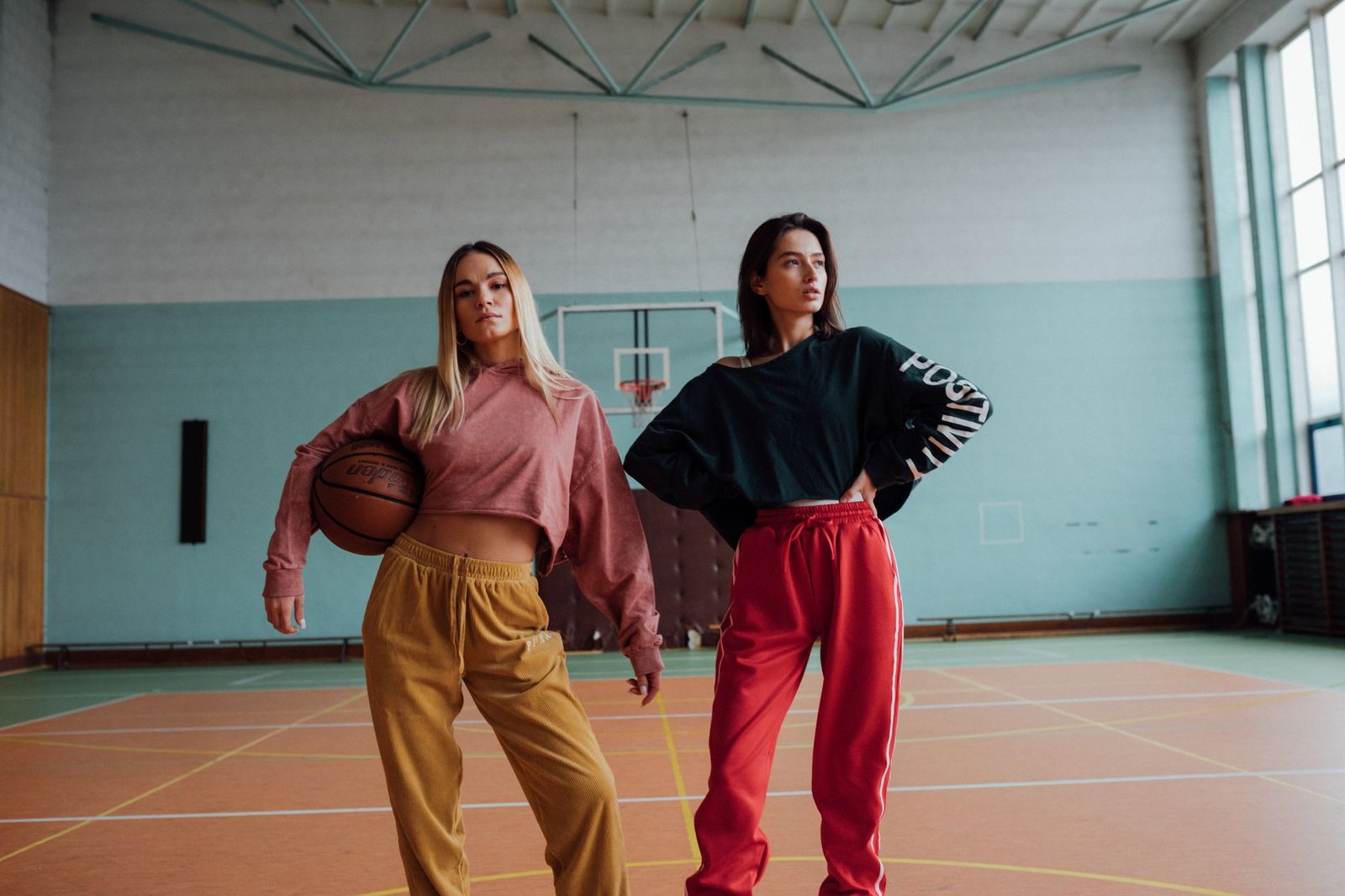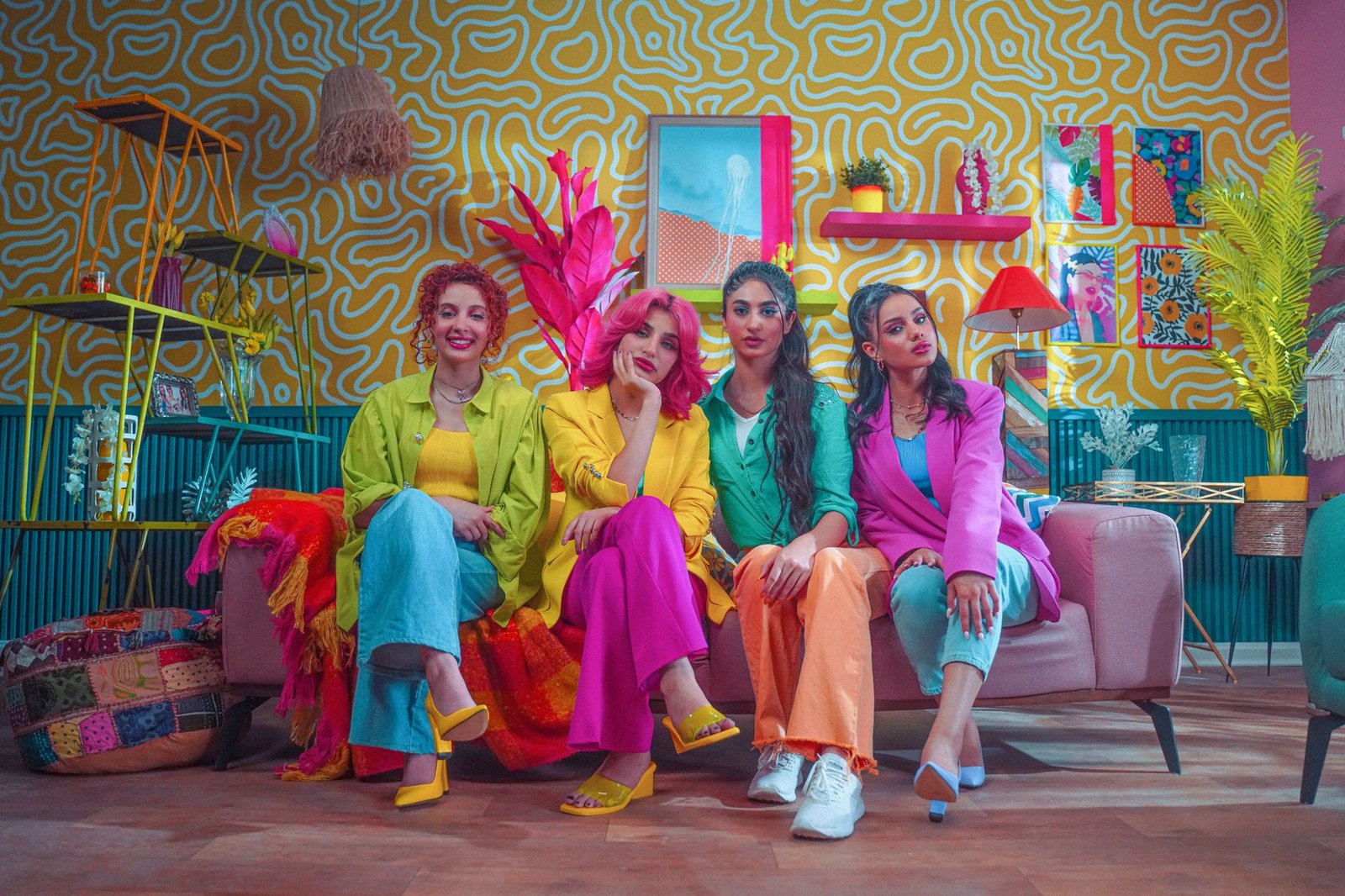
Scroll through any fashion feed in August 2026 and one thing becomes obvious: nobody is taking themselves too seriously. The unserious fashion trend has moved from a niche internet joke to the defining style story of the year. Licensed character sneakers sell out in minutes, adults wear cartoon-print cardigans to the office, handbags shaped like croissants appear at fashion week, and athlete apparel is styled with tulle skirts. Trend forecasters now call it the “unserious era,” and it is showing up in pop culture reports from Vogue Business to Pinterest and Trend Hunter. This article explains what the unserious fashion trend actually is, why it is happening now, what the data says, and how you can wear it without looking like you fell into a toy box.
What Is the Unserious Fashion Trend?
The unserious fashion trend is a broad shift toward playful, humorous, and deliberately non-aspirational clothing and accessories. Think Crocs collaborations with luxury houses, sneakers featuring licensed characters from Pokémon, Hello Kitty and Shrek, oversized bows on grown adults, novelty bag charms dangling from £3,000 handbags, and slogan tees that read like group-chat jokes. The common thread is a rejection of the polished, “quiet luxury” aesthetic that dominated 2023 and 2024.
Trend Hunter’s Top 100 Pop Culture Trends for August 2026 lists licensed character sneakers and athlete apparel as two of the most-engaged categories, while Vogue Business’s TikTok Trend Tracker has logged a steady rise in hashtags like #jokecore, #sillycore and #unseriousoutfit, which together passed 4 billion views this summer. Pinterest’s Summer 2026 Trend Report reported a 160% year-on-year increase in searches for “fun outfit ideas” and a 210% rise for “cartoon fashion aesthetic.”
Crucially, unserious fashion is not the same as costume. It is about mixing one or two joyful, absurd pieces into an otherwise normal wardrobe. The croissant bag is carried with a tailored blazer; the character sneakers are worn with wide-leg trousers. The humour is the accent, not the whole outfit.
Why the Unserious Fashion Trend Is Exploding in 2026
Fashion historians often note that hemlines and moods track the economy and the news cycle. After several years of inflation, geopolitical anxiety, extreme weather headlines and relentless AI disruption, consumers are visibly tired of seriousness. Psychologists call this “dopamine dressing,” a term that first went mainstream in 2022 and has now matured into a full aesthetic. A 2026 survey by Klarna of 18,000 shoppers across 16 countries found that 61% of respondents aged 18 to 34 said they buy clothes “to feel happier,” up from 44% in 2022.
The second driver is the collapse of the “quiet luxury” cycle. Logo-free beige minimalism peaked around 2023, and fashion cycles now turn faster than ever thanks to TikTok. Once every influencer owned the same oat-coloured cashmere, the only way to stand out was to be loud and funny. Lyst’s Q2 2026 Index showed searches for “quiet luxury” down 38% year on year, while searches for “statement bag charm” rose 290%.
Third, licensing has become big business. Global licensed merchandise retail sales reached roughly $370 billion in 2025 according to Licensing International, and fashion and apparel are now the fastest-growing segment. Brands such as Adidas, New Balance, Puma and Crocs have discovered that a character collaboration can generate more social engagement in a week than a season of standard product. When the sneaker itself becomes a piece of pop culture, it drives both hype and revenue.
The Biggest Unserious Fashion Trend Categories Right Now
The trend is not one look but a family of related micro-trends. These are the categories that dominate the August 2026 data across TikTok, Pinterest and retail sales:
- Licensed character sneakers: Pokémon x Clarks, Hello Kitty x Crocs, Minions x Adidas and Shrek x Puma have all sold out in 2026. StockX reports character collaborations trading at an average 140% premium over retail.
- Athlete apparel as everyday wear: The 2026 FIFA World Cup turned football jerseys into fashion pieces. Spain and Cape Verde shirts have been styled with pearls, midi skirts and loafers, a look often called “blokette” or “sporty girl.”
- Food-inspired accessories: Croissant bags, strawberry earrings, sushi keychains and pasta-shaped hair clips are having what Vogue called “their main course moment.”
- Bag charms and maximalist accessorising: The Labubu craze of 2025 evolved into a general habit of hanging plush toys, keyrings and trinkets from every bag.
- Joke slogans and meme prints: Tees and caps printed with in-jokes, absurd phrases or deliberately bad graphics, a category Trend Hunter tracks as “ironic apparel.”
- Oversized bows, ruffles and doll-core details: Hyper-feminine, childlike embellishments worn ironically by adults, in the lineage of the coquette aesthetic.
Each of these categories shares a single premise: the item is a conversation starter first and a functional garment second. That is exactly why the unserious fashion trend spreads so efficiently on video platforms, where a funny shoe earns a comment and a share where a plain shoe earns nothing.
How Luxury and High Street Brands Are Responding
Luxury houses were initially cautious but have now fully embraced the mood. Loewe’s tomato-shaped clutch and Balenciaga’s garbage-bag-inspired totes were early signals, and by 2026 nearly every major house has a novelty item in its accessories line. Jonathan Anderson’s first collections at Dior included cartoon-scale bows, while Moschino, JW Anderson and Marni have made humour central to their brand identity. Coach’s cherry bag charm was one of the best-selling accessories of the year, contributing to a 12% revenue rise at parent company Tapestry in its most recent quarter.
High-street and mass retailers have moved even faster. Zara, H&M, Uniqlo and Shein now refresh licensed character collections monthly rather than seasonally. Uniqlo’s UT graphic tee line, which features everything from Studio Ghibli to Marvel to Japanese snack brands, grew sales by double digits in 2026 according to parent company Fast Retailing. In India, brands such as The Souled Store and Bewakoof built entire businesses on pop culture merchandise and are now expanding into physical retail.
“For a decade, fashion sold status through restraint. Now it sells belonging through humour. A character sneaker signals ‘I get the joke’ to a community, and that is a far more powerful purchase driver for Gen Z than a discreet logo ever was.” — Lucie Greene, trend forecaster and founder of Light Years
Resale platforms confirm the shift. Depop reported that listings tagged “funny” or “silly” grew 3x between 2024 and 2026, and Vinted noted that novelty bag charms became one of its fastest-moving categories in Europe this summer.
Is the Unserious Fashion Trend Just for Gen Z?
Not any more. While Gen Z drove the early adoption on TikTok, millennials have joined enthusiastically, partly through nostalgia. Licensed characters from the 1990s and 2000s, including Pokémon, Powerpuff Girls, SpongeBob and Bratz, resonate with 30- and 40-somethings who grew up with them. McKinsey’s State of Fashion 2026 report noted that “nostalgia-driven playful product” performed across every age group under 50 and was one of the few categories immune to broader consumer spending slowdowns.
The trend also transcends geography. In Seoul, character collaborations with Line Friends and BT21 have long been mainstream. In Tokyo, kawaii culture provided the original blueprint. In Lagos and Nairobi, football jerseys as fashion have been standard for years. What has changed in 2026 is that Western luxury and mass fashion have caught up, making playful style a genuinely global language rather than a regional quirk.
Even workplaces are softening. With hybrid work now standard across most of the developed world, a survey by LinkedIn in 2026 found that 54% of professionals said their office dress code had become “noticeably more relaxed” since 2020, opening the door to a character sneaker under tailored trousers or a playful bag charm on a work tote.
How to Wear the Unserious Fashion Trend Without Looking Like a Costume
The difference between chic and childish is proportion and restraint. Stylists consistently recommend the same handful of rules for making playful fashion work in real life:
- Follow the one-joke rule. Choose a single unserious piece per outfit. If the sneakers are cartoon-printed, keep everything else neutral and well-cut.
- Invest in the base, play with the accent. Good tailoring, quality denim and a clean white shirt make novelty items look intentional rather than accidental.
- Use accessories as your entry point. A bag charm, a food-shaped earring or a fun phone case is low-cost and low-commitment. It is the easiest way to test the trend.
- Match the reference to your real interests. The trend works because it signals authenticity. Wear the football club, film or character you actually love, not the one that is merely trending.
- Balance textures. Pair a plush charm with structured leather, or a shiny character sneaker with matte wool. Contrast keeps the look adult.
- Buy fewer, better novelty items. Because playful pieces date quickly, the sustainable approach is to choose ones with resale value, such as limited collaborations, or to rent them through platforms like By Rotation and Nuuly.
For readers on a budget, the good news is that the unserious fashion trend is one of the most democratic in years. A $15 slogan tee or a $10 bag charm delivers the same social message as a $1,500 designer novelty bag. The trend rewards wit over wallet.
The Sustainability Question
No discussion of fast-moving fashion trends is complete without addressing waste. Novelty items are, by nature, at risk of being worn a few times and discarded. The fashion industry already produces an estimated 92 million tonnes of textile waste annually, and the churn of micro-trends contributes to it. Critics argue that character collaborations, often made from synthetic materials and driven by hype, are the worst offenders.
There are, however, signs of a more considered approach. Secondhand and rental platforms are absorbing much of the trend’s turnover, keeping items in circulation. Several brands, including Adidas and Crocs, now produce collaborations in recycled or bio-based materials. And the emphasis on nostalgia means many shoppers are reaching back for vintage character tees from the 1990s rather than buying new. The most sustainable way to join the unserious fashion trend is to thrift it, rent it, or buy one piece you genuinely intend to keep.
Conclusion: Key Takeaways on the Unserious Fashion Trend
The unserious fashion trend of 2026 is more than a passing meme. It reflects a global mood, a business model shift toward licensing and collaboration, and a generational preference for belonging over status. From licensed character sneakers to World Cup jerseys styled with pearls and croissant-shaped bags, fun has become fashion’s most valuable currency.
- The unserious fashion trend replaces quiet luxury with humour, nostalgia and play, and is now the leading pop culture trend of August 2026.
- Licensed merchandise is a roughly $370 billion global industry, with apparel and footwear its fastest-growing segment.
- Licensed character sneakers, athlete apparel, food-inspired accessories and bag charms are the core categories driving the trend.
- The trend spans Gen Z and millennials and is global, from Seoul and Tokyo to Lagos, London and Mumbai.
- Wear it well by following the one-joke rule, investing in a strong base wardrobe and choosing references you genuinely love.
- Thrift, rent or buy fewer high-quality novelty pieces to enjoy the fun without adding to fashion’s waste problem.
Whether the unserious era lasts another season or another decade, its lesson is simple: in an anxious world, dressing for joy is a serious strategy.