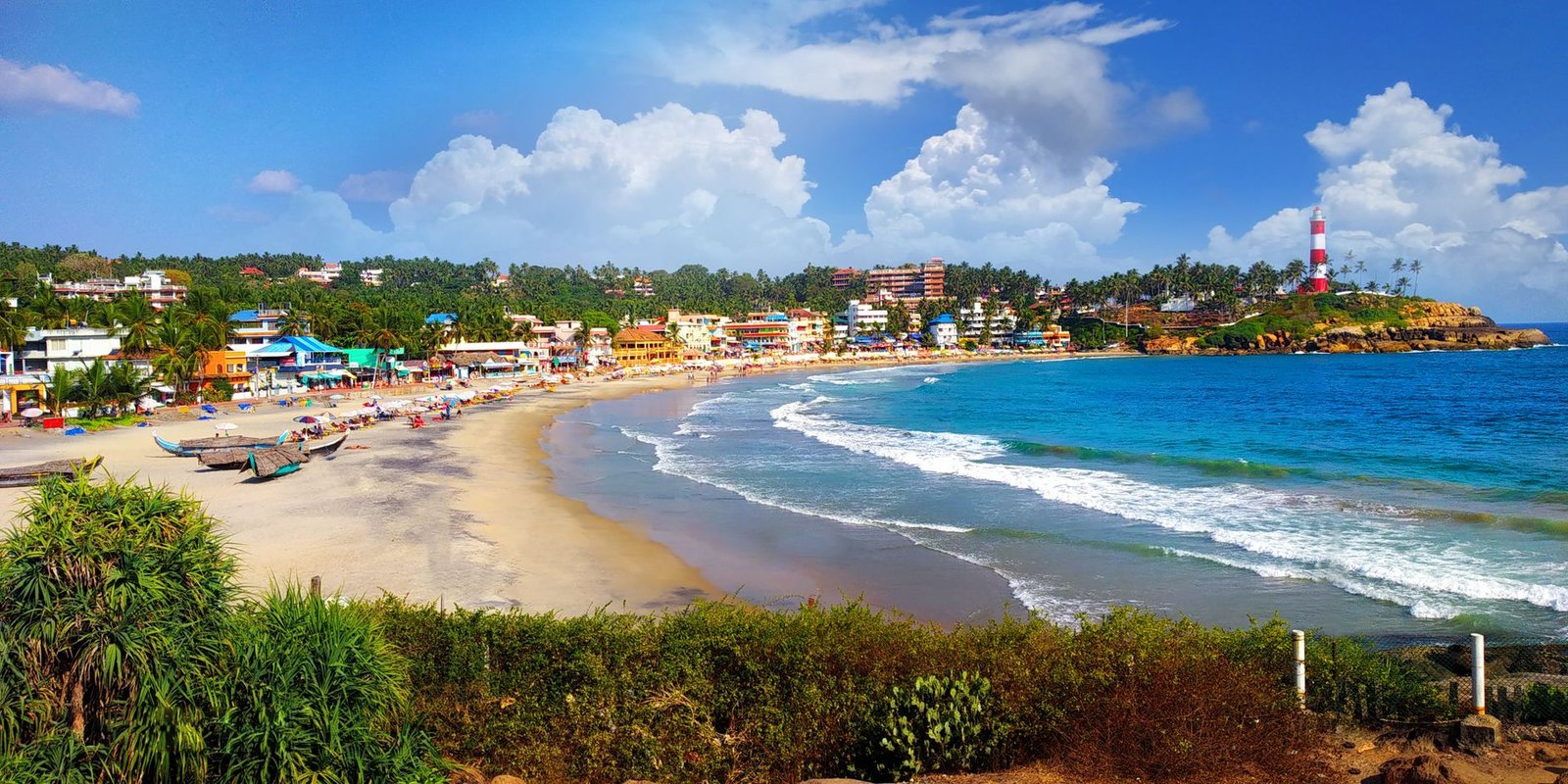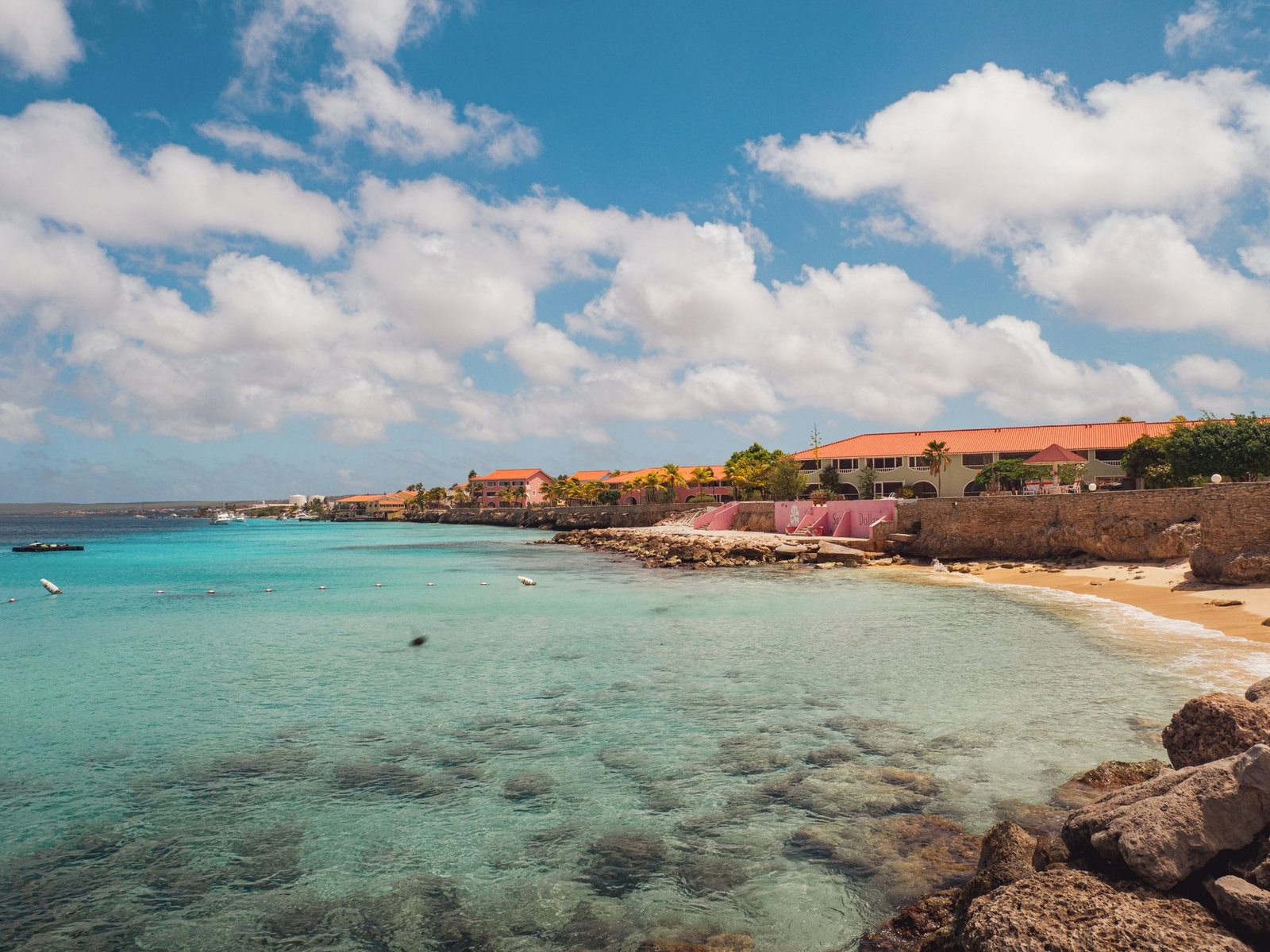
The Caribbean welcomed a record 34.2 million stopover visitors in 2025, according to the Caribbean Tourism Organization, and 2026 is on pace to beat that figure. Yet as bookings surge, so do the questions travelers type into Google: which are the safest Caribbean islands to visit right now? With more than 7,000 islands spread across 13 sovereign nations and a dozen dependent territories, the answer varies enormously. Some destinations post crime rates lower than most European capitals; others carry active government travel advisories. This ranked guide combines homicide statistics, US State Department and UK Foreign Office advisory levels, hurricane exposure, healthcare capacity and on-the-ground tourist infrastructure to show you where to go for a worry-free island escape in 2026.
How We Ranked the Safest Caribbean Islands
Safety is not a single number. A destination can have a low crime rate but sit directly in the hurricane belt, or offer world-class hospitals but struggle with petty theft in its cruise port. To build a meaningful ranking of the safest Caribbean islands, we weighted five factors: intentional homicide rate per 100,000 residents (UNODC and national police data, 2024–2025), current Caribbean travel advisory levels from the United States, United Kingdom and Canada, historical hurricane strike frequency from NOAA’s 1851–2025 database, healthcare quality (hospital beds and trauma capacity), and tourist-specific incident reporting.
One important caveat: island-wide statistics can mislead. Jamaica’s national homicide rate is among the highest in the world, yet Montego Bay resort zones record incidents at a fraction of that level. Conversely, tiny islands with near-zero crime may have no trauma hospital, meaning a serious accident requires an air ambulance costing $25,000 or more. We flag both extremes below so you can weigh what matters for your trip.
Ranked: The 10 Safest Caribbean Islands to Visit in 2026
1. Cayman Islands. Grand Cayman consistently tops lists of the best Caribbean islands to visit for security-conscious travelers. The territory recorded a homicide rate of roughly 3 per 100,000 in 2025, the US State Department keeps it at Level 1 (“exercise normal precautions”), and Health City Cayman Islands is a JCI-accredited hospital that draws medical tourists from across the Americas. Seven Mile Beach is well-lit, patrolled and walkable at night. The trade-off is cost: the Caymans rank among the most expensive destinations in the region, with average hotel rates above $450 per night in high season.
2. Aruba. Sitting just 25 km off Venezuela, Aruba lies outside the main hurricane belt; it has taken only a handful of direct hits in 170 years of records. Crime is low (homicide rate under 4 per 100,000), the Dutch legal system applies, and Eagle Beach regularly appears among the world’s best. Aruba hosted 1.3 million stopover tourists in 2025, and a strong tourist police presence keeps Palm Beach’s resort strip calm. Level 1 advisory across the US, UK and Canada.
3. Bonaire. Aruba’s quieter Dutch neighbor is a diver’s paradise with a permanent population of just 24,000. Violent crime is rare, the entire coastline is a protected marine park, and like Aruba it sits below the hurricane track. The main risk is theft from unattended rental trucks at dive sites—leave nothing inside and you are unlikely to encounter any trouble at all.
4. St. Barthélemy (St. Barts). This French overseas collectivity has one of the lowest crime rates in the Caribbean, with violent crime nearly nonexistent. French healthcare standards apply, and the 2026 season has seen the island fully rebuilt and upgraded since Hurricane Irma in 2017. It remains firmly in the hurricane belt, however, so book between December and May for the safest weather window.
5. Anguilla. With 33 beaches and roughly 16,000 residents, Anguilla is frequently cited by expats as the friendliest and safest island in the Leewards. Crime against tourists is very rare and the British Overseas Territory maintains a Level 1 advisory. Healthcare is limited to a small hospital, so comprehensive travel insurance with evacuation cover is essential.
6. Barbados. Barbados blends genuine safety with big-island infrastructure: Queen Elizabeth Hospital, direct flights from London, New York, Toronto and Miami, and a mature tourism sector employing 40 percent of the workforce. The homicide rate hovered around 10 per 100,000 in 2025—higher than the top five but heavily concentrated away from the west and south coast resort areas. Barbados sits on the southern edge of the hurricane belt and is struck far less often than the Leeward Islands.
7. Turks and Caicos. Providenciales offers arguably the Caribbean’s best beach in Grace Bay, and the islands attract more than 1 million visitors annually. Crime rose in 2023–2024, prompting the US to note gang activity in its advisory, but 2025 saw a sharp decline after a UK-funded policing surge. Stay in Grace Bay and the Bight, avoid unlit areas at night, and note that the territory enforces strict firearm and ammunition laws—several tourists have been jailed for stray bullets in luggage.
8. St. Lucia. Rodney Bay and the Soufrière area are extremely well policed and the island’s tourism-dependent economy prioritizes visitor protection. Petty theft is the main concern. St. Lucia’s dramatic Pitons and eco-lodges make it a strong choice for travelers who want adventure without compromising on Caribbean travel safety.
9. Curaçao. The largest of the ABC islands enjoys the same hurricane-belt exemption as Aruba and Bonaire, with UNESCO-listed Willemstad and a Level 1 advisory. Crime is slightly higher than Aruba, mainly opportunistic theft in Punda and Otrobanda after dark.
10. Antigua and Barbuda. With 365 beaches and English Harbour’s sailing scene, Antigua delivers a classic Caribbean experience with a Level 1 advisory. The homicide rate is moderate, but incidents involving tourists are uncommon. Barbuda, with under 2,000 residents, is one of the most tranquil places in the entire region.
Islands to Approach With Caution in 2026
Not every destination earns a spot among the safest Caribbean islands. Haiti remains under a Level 4 “do not travel” advisory, with commercial flights into Port-au-Prince still suspended by most US carriers. Trinidad and Tobago is at Level 3 following a 2024 state of emergency, though Tobago itself is far calmer than Trinidad. Jamaica sits at Level 3 nationally, yet the all-inclusive corridors of Negril, Montego Bay and Ocho Rios host more than 4 million visitors a year with a very low incident rate—the key is not to venture into Kingston or Spanish Town neighborhoods without a local guide.
The Bahamas and Puerto Rico both carry Level 2 advisories. In Nassau, crime is concentrated in the “Over the Hill” area south of downtown, while the Out Islands—Exuma, Eleuthera, Abaco—are peaceful and rank near the top for safety. Puerto Rico’s issues are largely drug-related and rarely touch Old San Juan, Condado or Vieques. The Dominican Republic (Level 2) hosted 11.2 million tourists in 2025, and resort enclaves like Punta Cana are heavily secured, but scams and taxi overcharging are widespread.
Caribbean Hurricane Season: The Risk Most Travelers Underestimate
Ask a seasoned island-hopper about Caribbean travel safety and they will talk about weather before crime. Atlantic hurricane season runs from June 1 to November 30, with peak activity between mid-August and mid-October. The 2024 season produced Beryl, the earliest Category 5 on record, which devastated Carriacou, Union Island and parts of Grenada. NOAA’s outlook for 2026 calls for a near-to-above-normal season, and with record ocean heat in the Atlantic this summer, forecasters urge flexibility.
The ABC islands (Aruba, Bonaire, Curaçao) and, to a lesser extent, Trinidad, Tobago, Barbados and Grenada, sit low enough to escape most storms. If you must travel in September or October, choose one of these, buy insurance with “cancel for any reason” coverage (typically 40–60 percent above standard policies), and book with hotels that offer hurricane guarantees—Sandals, Marriott and many independent properties now waive rebooking fees when a named storm threatens.
Practical Caribbean Travel Safety Tips for 2026
Even on the safest Caribbean islands, a few habits dramatically reduce your risk profile. Most incidents involving tourists are opportunistic and avoidable.
- Check advisories the week you fly. Levels change fast; use the US State Department, UK FCDO and Canadian government sites, and register with your embassy’s traveler program.
- Buy insurance with medical evacuation. Air ambulance to Miami costs $20,000–$40,000. Policies from World Nomads, Allianz or SafetyWing cover this for a few dollars a day.
- Use licensed taxis and ride apps. Agree fares in advance where meters are absent; in Aruba, Barbados and Cayman, rates are government-regulated and posted.
- Never leave valuables on the beach or in rental cars. Theft from vehicles is the number-one reported crime against visitors across the region.
- Respect the water. Drowning kills more tourists in the Caribbean than crime does. Heed red-flag warnings, rip-current signs and never swim after drinking.
- Know the drug laws. Penalties are severe almost everywhere, and cannabis remains illegal for tourists in most islands despite local decriminalization moves.
- Watch mosquito-borne illness. Dengue cases in the Americas exceeded 12 million in 2024; use DEET repellent, especially at dusk.
“Travelers fixate on national homicide rates, but those numbers rarely reflect the tourist experience. What actually determines your safety is the combination of where you stay, when you go and whether you have a plan for a medical emergency. A Level 1 island with no hospital can be riskier for a family than a Level 2 island with a trauma center twenty minutes from the resort,” says Dr. Marisol Reyes, a travel-risk analyst who has advised Caribbean tourism boards for over a decade.
Best Caribbean Islands to Visit by Traveler Type
Safety needs differ. Families with young children should prioritize healthcare and calm water: the Cayman Islands, Aruba and Barbados excel on both counts, and all three have direct flights from major North American and European hubs. Solo female travelers consistently rate Aruba, Bonaire, St. Barts and Anguilla as the most comfortable for walking alone in the evening; the Dutch and French islands also benefit from European policing standards.
Budget travelers can still find safe options. Curaçao offers hotel rates 30–40 percent below Aruba, Grenada (Level 1, rebuilt quickly after Beryl) has guesthouses from $60 per night, and Dominica’s eco-lodges reward hikers with one of the lowest crime rates in the Windwards. Retirees and remote workers eyeing long stays should note that Barbados’s Welcome Stamp, the Cayman Global Citizen program and Aruba’s One Happy Workation visa all target exactly this demographic, and each destination reports strong satisfaction among long-term visitors.
Cruise passengers face a different calculus. Ports such as Philipsburg (St. Maarten), Bridgetown and George Town are safe and walkable; in Nassau, Kingston and Roseau, stick to organized excursions or vetted taxi operators rather than wandering beyond the port zone.
Conclusion: Choosing the Safest Caribbean Islands in 2026
The Caribbean in 2026 is safer for tourists than headlines suggest, provided you choose wisely. The Cayman Islands, Aruba, Bonaire, St. Barts and Anguilla lead the ranking of the safest Caribbean islands thanks to low crime, strong governance and, in the case of the ABC islands, near-immunity from hurricanes. Barbados, Turks and Caicos, St. Lucia, Curaçao and Antigua round out a top ten that suits every budget and travel style. Key takeaways:
- Aruba, Bonaire and Curaçao are the only major islands largely outside the hurricane belt—ideal for late-summer travel.
- Cayman and Barbados offer the region’s best healthcare, a decisive factor for families and older travelers.
- National crime statistics overstate risk in resort zones but never ignore a Level 3 or Level 4 Caribbean travel advisory.
- Water safety and vehicle theft, not violent crime, are the most common hazards for visitors.
- Comprehensive insurance with evacuation cover is non-negotiable on small islands with limited hospitals.
Do your research, book smart, and the biggest danger you face this year will be deciding which beach to visit first.