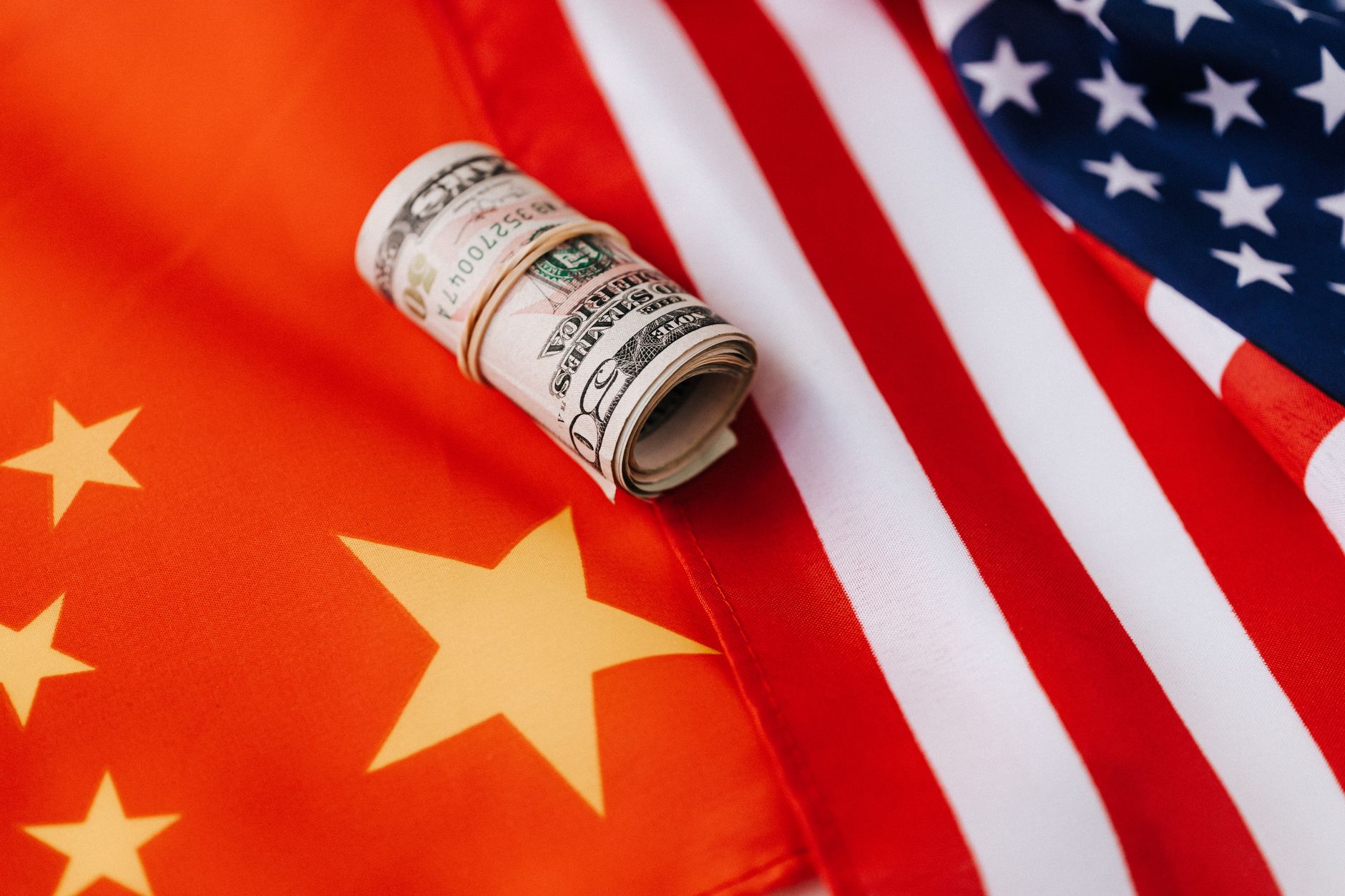
US-China Trade War 2026: How the Escalation Is Reshaping Global Markets
The simmering trade tensions between the United States and China have reached a boiling point in 2026. With fresh rounds of tariffs, technology export bans, and retaliatory measures from both sides, the world’s two largest economies are dragging global markets into a period of heightened uncertainty.
For Indian businesses and investors, this is not a distant geopolitical drama — it is a seismic shift creating both risks and extraordinary opportunities. Here is everything you need to know about the latest developments and what they mean for you.
What Has Happened So Far in 2026?
The first half of 2026 has seen an aggressive escalation in trade hostilities. The US administration expanded tariffs on Chinese goods to cover over $500 billion worth of imports, with rates climbing as high as 60% on electronics, semiconductors, and electric vehicles. China retaliated by restricting exports of critical rare earth minerals and imposing counter-tariffs on American agricultural products and energy exports.
Key developments include:
- Semiconductor sanctions tightened: The US banned the sale of advanced AI chips and chipmaking equipment to Chinese firms, expanding the entity list to over 200 companies.
- Rare earth restrictions: China imposed export controls on gallium, germanium, and graphite — materials essential for global electronics and EV manufacturing.
- Currency tensions: The Chinese yuan weakened past 7.5 against the dollar, raising fears of a currency war that could destabilise emerging markets.
- BRICS trade bloc expansion: China accelerated trade agreements within the expanded BRICS bloc, pushing for settlements in local currencies to reduce dollar dependency.
How Global Markets Are Reacting
The fallout has been swift and widespread. Wall Street has experienced increased volatility, with the S&P 500 swinging by over 2% on multiple trading days in Q2 2026. Asian markets, particularly in South Korea, Taiwan, and Japan, have seen sharp sell-offs in technology stocks due to fears of disrupted supply chains.
European markets are not immune either. German automakers and French luxury brands that rely heavily on Chinese demand have seen their share prices slide. The global manufacturing PMI dipped below 50 in May 2026, signalling a contraction for the first time in over a year.
Commodity markets have also been rattled. Oil prices have risen on fears of broader economic disruption, while copper and lithium prices have fluctuated wildly as supply chains for green energy materials face new bottlenecks.
India’s Unique Position in the Trade War Fallout
While much of the world braces for damage, India finds itself in an unusually advantageous position. The China+1 diversification strategy — where multinational corporations seek manufacturing alternatives outside China — has accelerated dramatically.
Several trends are working in India’s favour:
- Manufacturing inflows surge: Foreign direct investment into Indian manufacturing crossed ₹1.8 lakh crore in the first five months of 2026, driven by companies relocating production from China.
- Electronics export boom: India’s electronics exports, led by smartphones and components, are projected to hit $30 billion in FY2026-27 as Apple, Samsung, and others ramp up Indian production.
- Pharmaceutical advantage: With China’s supply chains under strain, Indian pharma companies are winning new global contracts for APIs and generic medications.
- IT services demand: Indian IT firms are seeing a spike in orders as Western companies seek to reduce their technology dependence on Chinese vendors.
However, India is not entirely insulated. The Indian stock market has seen FII outflows in recent weeks as global investors pull back from emerging markets during periods of uncertainty. The Sensex and Nifty 50 have experienced moderate corrections, though domestic institutional investors have provided a buffer.
Sectors to Watch for Indian Investors
For Indian investors looking to navigate this turbulent landscape, certain sectors stand out as clear beneficiaries of the global realignment.
1. Defence and Aerospace
With geopolitical tensions rising, defence budgets worldwide are increasing. Indian defence manufacturers with export capabilities — bolstered by the government’s Make in India push — are well-positioned for growth.
2. Renewable Energy and EVs
China’s rare earth export controls have pushed global companies to seek alternative suppliers. India’s investments in domestic mineral processing and battery manufacturing could pay off significantly.
3. Textiles and Apparel
Higher tariffs on Chinese textiles in the US and Europe are redirecting orders to Indian manufacturers, particularly in Tamil Nadu, Gujarat, and Maharashtra.
4. Chemicals and Speciality Materials
The global chemicals supply chain, long dominated by China, is diversifying. Indian chemical companies have reported order book growth of 20-30% year-on-year.
Risks Indian Businesses Must Prepare For
Despite the opportunities, the trade war carries genuine risks for the Indian economy that businesses and investors must not ignore.
- Rupee volatility: A weakening yuan and strengthening dollar could put pressure on the Indian rupee, increasing import costs for crude oil and electronics components.
- Global demand slowdown: If the trade war triggers a global recession, Indian exports across sectors will suffer regardless of supply chain advantages.
- Inflation pressures: Rising commodity prices and supply chain disruptions could push domestic inflation higher, potentially forcing the RBI to pause or reverse its rate-cutting cycle.
- Geopolitical balancing act: India’s diplomatic relationships with both the US and China require careful navigation. Any perceived tilt could invite trade pressure from the other side.
What Should Investors Do Right Now?
In times of global uncertainty, a disciplined approach is essential. Here are practical strategies for Indian investors:
- Diversify across asset classes: Maintain a balanced portfolio across equities, gold, and fixed income. Gold has historically performed well during trade wars and currently trades above ₹82,000 per 10 grams.
- Focus on domestic demand stories: Companies driven by India’s internal consumption — FMCG, banking, infrastructure — are relatively insulated from global trade disruptions.
- Avoid panic selling: Market corrections driven by geopolitical events tend to be temporary. SIP investments in quality mutual funds remain a sound long-term strategy.
- Track policy developments: Stay updated on tariff announcements, RBI policy decisions, and government incentives for affected sectors.
The Road Ahead
The US-China trade war of 2026 is more than a bilateral dispute — it is fundamentally redrawing the map of global commerce. Supply chains that took decades to build are being restructured in months. New alliances are forming, and countries like India, Vietnam, and Mexico are emerging as the biggest beneficiaries of this great reshuffling.
For India, the window of opportunity is real but not unlimited. Converting supply chain interest into lasting industrial capacity will require continued policy support, infrastructure investment, and skill development at scale.
As an investor or business owner, staying informed and agile is your best defence against uncertainty — and your best chance to capitalise on a once-in-a-generation shift in the global economic order.