A Super El Niño 2026 event is rapidly developing in the tropical Pacific Ocean, and climate scientists around the world are sounding the alarm. According to new forecasts from the National Oceanic and Atmospheric Administration (NOAA) and the World Meteorological Organization (WMO), sea surface temperatures in the central and eastern Pacific have surged past the critical 2.0°C anomaly threshold — the hallmark of a “super” El Niño that could rival or exceed the devastating events of 1997–98 and 2015–16. With global temperatures already running at record highs due to long-term climate change, experts say this Super El Niño could unleash an unprecedented wave of extreme weather events across every inhabited continent, disrupting agriculture, displacing communities, and straining emergency response systems to the breaking point.
The implications are staggering. El Niño events have historically cost the global economy hundreds of billions of dollars in damages, and a super-strength episode layered on top of an already warming planet creates what scientists call a “compounding risk scenario.” From catastrophic flooding in South America to severe droughts across Southeast Asia and Australia, the fingerprints of this developing phenomenon are already visible. Here is everything you need to know about the Super El Niño 2026, what the science says, and how communities worldwide can prepare.
What Is a Super El Niño and Why Is 2026 Different?
El Niño is a natural climate pattern that occurs when sea surface temperatures in the equatorial Pacific Ocean rise significantly above average. During a typical El Niño, these temperatures climb between 0.5°C and 1.5°C above the long-term baseline, altering atmospheric circulation patterns and redistributing heat and moisture around the globe. A “Super El Niño” — sometimes called a “very strong” El Niño — occurs when these anomalies exceed 2.0°C, a threshold that dramatically amplifies the event’s global reach and intensity.
What makes the Super El Niño 2026 particularly alarming is the backdrop against which it is forming. The planet has already warmed approximately 1.3°C above pre-industrial levels, and 2025 was confirmed as the hottest year in recorded history by both NASA and the European Union’s Copernicus Climate Change Service. Adding a super El Niño on top of this baseline warming is like pouring fuel on an already raging fire. Dr. Michael McPhaden, a senior scientist at NOAA’s Pacific Marine Environmental Laboratory, has been tracking El Niño cycles for over three decades.
“What we are seeing in the Pacific right now is deeply concerning. The combination of a super El Niño with record background warming means we are in uncharted territory. The 2015–16 Super El Niño pushed global temperatures past 1.0°C above pre-industrial levels for the first time. This one could temporarily push us past 1.5°C — a threshold the Paris Agreement set as a critical guardrail. We need to prepare for weather extremes that exceed anything in living memory.”
Early models from the European Centre for Medium-Range Weather Forecasts (ECMWF) and Japan’s Meteorological Agency suggest that the Niño 3.4 index — the key measurement of central Pacific warming — could peak between 2.5°C and 3.0°C above normal by late 2026 or early 2027. If confirmed, this would place the event on par with the 1997–98 Super El Niño, which caused an estimated $35 billion in global damages and was linked to approximately 23,000 deaths worldwide.
Super El Niño 2026: Global Weather Disruption Already Unfolding
The effects of the developing Super El Niño are not hypothetical — they are already becoming visible across multiple regions. In the eastern Pacific, sea surface temperatures off the coast of Peru and Ecuador have climbed sharply since April 2026, triggering unusual rainfall patterns and concerns about devastating floods similar to those that struck the region during previous super events. During the 1997–98 El Niño, Peru experienced rainfall that was 10 to 15 times above normal in some coastal areas, causing mudslides that destroyed entire villages.
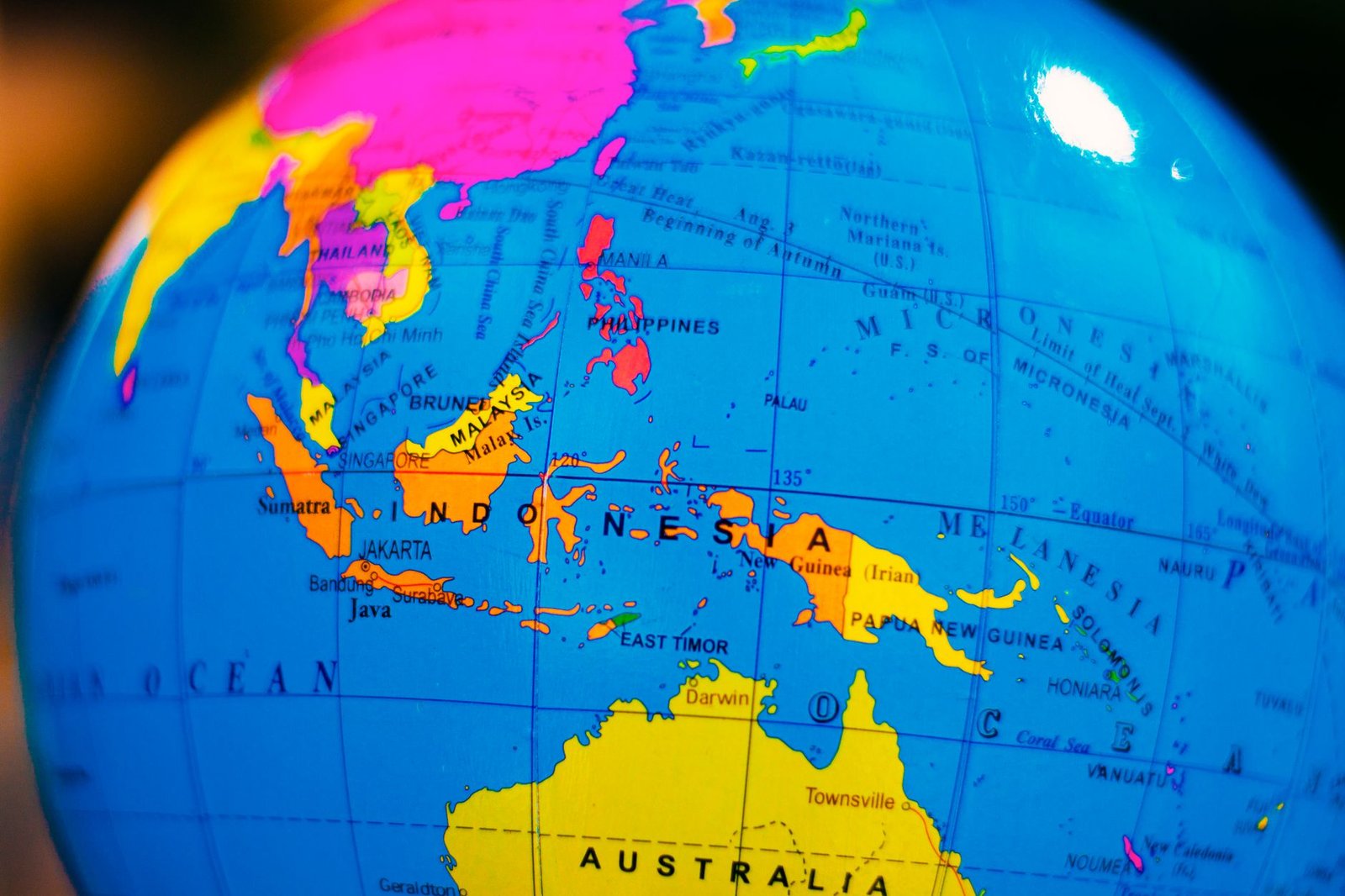
Across the Pacific in Southeast Asia and Australia, the picture is the opposite but equally dangerous. El Niño typically suppresses the Asian and Australian monsoons, leading to prolonged drought conditions. Indonesia, the Philippines, Thailand, and Vietnam are already reporting below-average rainfall for the June monsoon season, raising alarm bells for rice production — a crop that feeds roughly half the world’s population. During the 2015–16 Super El Niño, Indonesia experienced its worst drought in 20 years, triggering massive peatland fires that blanketed the region in toxic haze and released an estimated 1.62 billion tonnes of CO2 into the atmosphere.
In Africa, East African nations including Kenya, Somalia, and Ethiopia face a heightened risk of excessive rainfall and flooding, while Southern Africa and the Sahel could experience intensified drought. India, meanwhile, faces the prospect of a weakened southwest monsoon — the lifeblood of its agricultural economy, which employs over 40% of the country’s workforce. A poor monsoon season in India can reduce GDP growth by up to 1.5 percentage points and push food prices sharply higher, affecting not just domestic consumers but global commodity markets.
Extreme Weather Events 2026: What Scientists Predict Next
Climate models are converging on several key predictions for how the Super El Niño 2026 will reshape global weather patterns over the next 12 to 18 months. Understanding these projections is critical for governments, businesses, and individuals looking to mitigate risk and build resilience.
- Record global temperatures: The WMO forecasts that 2026 has a greater than 80% probability of becoming the hottest year ever recorded, surpassing 2025. The combination of El Niño-driven warming and long-term climate change could push the global mean temperature anomaly past 1.5°C above pre-industrial levels for the first time on an annual basis.
- Intensified Atlantic hurricane season: While El Niño typically suppresses Atlantic hurricane activity through increased wind shear, the extraordinarily warm Atlantic sea surface temperatures observed in 2025–2026 may partially offset this effect. NOAA forecasters warn that even a below-average season by count could produce several exceptionally intense storms.
- Severe drought in Australia and Southeast Asia: Models project a 70–85% probability of below-average rainfall across eastern Australia, Indonesia, the Philippines, and parts of India from July 2026 through March 2027. Water rationing and crop failures are realistic possibilities in affected regions.
- Flooding in South America: Peru, Ecuador, Brazil, and Argentina face elevated flood risk, particularly from October 2026 onwards as the El Niño reaches peak strength. Urban areas with poor drainage infrastructure are especially vulnerable.
- European weather disruption: While El Niño’s effects on Europe are less direct, research published in Nature Climate Change in 2024 showed that super El Niño events can alter the jet stream over the North Atlantic, increasing the likelihood of extreme winter storms and unusual cold snaps across Western Europe.
- Coral bleaching crisis: Marine biologists warn that sustained ocean warming could trigger the worst coral bleaching event in history, following the devastating global bleaching of 2023–2024 that affected over 75% of the world’s reef systems.
Dr. Emily Becker, a climate scientist at the University of Miami’s Cooperative Institute for Marine and Atmospheric Studies, notes that the compounding nature of these risks is what separates 2026 from previous El Niño events. “It is not just about one region getting too much rain and another getting too little. It is about the fact that every extreme is being amplified by a warmer baseline climate. The floods are bigger, the droughts are longer, the heatwaves are more lethal, and the recovery windows between events are shrinking,” she explained in a recent briefing.
Economic Impact of the Super El Niño 2026 on Global Markets
The economic consequences of a Super El Niño extend far beyond the regions directly affected by extreme weather. A 2023 study published in the journal Science estimated that El Niño events cost the global economy approximately $4.1 trillion in the five years following their onset, with the 1997–98 and 2015–16 super events each responsible for losses exceeding $5 trillion when long-term impacts on growth and development are included.
Agricultural commodity markets are already pricing in the risk. Since the WMO issued its formal Super El Niño watch in May 2026, global rice futures have risen 18%, wheat futures are up 12%, and palm oil — heavily produced in Indonesia and Malaysia — has surged 22%. Coffee prices have hit multi-year highs on fears that Brazil’s upcoming harvest could be compromised by irregular rainfall patterns. For consumers worldwide, this translates to higher food prices at a time when many economies are still recovering from the inflationary pressures of 2022–2024.
The insurance industry is bracing for significant losses. Swiss Re, one of the world’s largest reinsurers, estimated in a June 2026 report that global insured losses from natural catastrophes could exceed $150 billion in 2026 — up from $108 billion in 2025 — driven largely by El Niño-amplified events. Uninsured losses, particularly in developing nations where insurance penetration is low, could be several times higher.
Energy markets are also exposed. Drought conditions in Brazil and Southeast Asia can reduce hydroelectric power generation, forcing countries to increase reliance on fossil fuels and raising electricity prices. During the 2015–16 El Niño, Brazil’s reservoirs fell to critically low levels, prompting rolling blackouts in several states. Meanwhile, warmer-than-average winters in parts of North America and Europe could reduce demand for heating fuels, creating a complex and volatile energy pricing landscape.
How to Prepare for Super El Niño 2026: Practical Steps
While governments and international organizations are scaling up disaster preparedness plans, individuals and communities can take concrete steps now to protect themselves from the impacts of the developing Super El Niño. Preparation is not about panic — it is about informed action that reduces vulnerability.
- Build an emergency supply kit: Ensure you have at least 72 hours of food, water (one gallon per person per day), medications, flashlights, batteries, and important documents in a waterproof container. In flood-prone areas, consider extending this to a seven-day supply.
- Review your insurance coverage: Standard homeowner policies often do not cover flood damage. If you live in a low-lying area or a region identified as at risk for El Niño-driven flooding, contact your insurer about supplemental flood coverage before the event peaks.
- Secure your property: Clean gutters, check drainage around your home, and ensure that sump pumps are in working order. In drought-prone areas, implement water conservation measures and clear brush to reduce wildfire risk.
- Diversify food sources: With commodity prices rising, consider reducing reliance on single staples and exploring locally grown alternatives that may be less affected by global supply disruptions.
- Stay informed: Follow updates from your national meteorological agency, subscribe to local emergency alert systems, and monitor forecasts from NOAA, the WMO, and the ECMWF. Early warning is the single most effective tool for reducing disaster casualties.
- Support community resilience: Volunteer with local disaster preparedness organizations, participate in community planning exercises, and check on vulnerable neighbors — elderly residents, those with disabilities, and low-income households are disproportionately affected by extreme weather.
For businesses, supply chain diversification is critical. Companies that source raw materials from El Niño-vulnerable regions should be actively developing alternative supply relationships and increasing inventory buffers where possible. The World Bank has urged governments in affected regions to pre-position emergency funds and activate social protection programs before the event peaks, rather than waiting for disaster to strike.
The Climate Change Connection: Why Super El Niño Events Are Getting Worse
One of the most important questions surrounding the Super El Niño 2026 is whether climate change is making these events more frequent and more intense. The scientific consensus, based on decades of research and increasingly sophisticated climate models, points to a troubling answer: while El Niño is a natural phenomenon that has occurred for thousands of years, human-caused warming is loading the dice in favor of more extreme outcomes.
A landmark 2025 study published in Nature Geoscience analyzed climate model projections under current emission trajectories and found that the frequency of super El Niño events is projected to increase by approximately 40% by the end of the century compared to the pre-industrial era. The mechanism is straightforward: as the ocean absorbs more heat from greenhouse gas emissions, the baseline from which El Niño anomalies develop rises, making it easier for events to reach super-strength thresholds.
This has profound implications for global adaptation planning. If super El Niño events shift from occurring roughly once every 15–20 years to once every 10–12 years, the cumulative economic and humanitarian toll could be staggering. Nations that invest in climate-resilient infrastructure, early warning systems, and adaptive agricultural practices now will be far better positioned than those that treat each event as a one-off emergency. The WMO’s Early Warnings for All initiative, launched in 2022 with the goal of providing universal early warning coverage by 2027, is one example of the kind of systemic investment that can save lives and reduce costs.
Global Response: What Governments and Organizations Are Doing
International institutions have moved quickly in response to the Super El Niño 2026 forecast. The United Nations Office for the Coordination of Humanitarian Affairs (OCHA) activated its anticipatory action framework in early June, releasing $125 million in pre-positioned emergency funds to 14 countries identified as most vulnerable. The World Food Programme (WFP) has begun pre-positioning food supplies in East Africa and Southeast Asia, while the International Federation of Red Cross and Red Crescent Societies has issued a global appeal for $500 million in preparedness funding.
At the national level, responses have been mixed. Australia’s Bureau of Meteorology has issued its highest-level El Niño alert and activated drought assistance programs for farmers in New South Wales and Queensland. Peru has declared a state of emergency in several coastal provinces and is reinforcing flood defenses built after the devastating 2017 coastal El Niño event. India’s Ministry of Agriculture has convened an emergency task force to assess monsoon readiness and identify vulnerable crop regions.
However, many low-income nations lack the fiscal space and institutional capacity to mount effective preparation efforts. A 2026 analysis by the Overseas Development Institute found that the 50 countries most vulnerable to El Niño impacts collectively face a $12 billion annual adaptation funding gap. Without increased international support, these nations are likely to bear a disproportionate share of the human cost — a pattern that has repeated with grim consistency across previous El Niño cycles.
Conclusion: Preparing for an Unprecedented Climate Event
The Super El Niño 2026 is shaping up to be one of the most significant climate events of the decade, with the potential to affect billions of people across every continent. The science is clear: record-warm ocean temperatures are fueling an El Niño event that could rival or exceed the most destructive episodes in modern history, and the compounding effect of long-term climate change means that the impacts will be felt more acutely than ever before.
The key takeaways for a global audience are straightforward but urgent. First, this is not a distant threat — the effects are already emerging and will intensify through late 2026 and into 2027. Second, preparation works: communities and nations that invest in early warning, emergency supplies, and resilient infrastructure consistently fare better than those that react after disaster strikes. Third, the Super El Niño 2026 is a stark reminder that climate adaptation is not optional — it is an immediate necessity that demands sustained investment from governments, businesses, and individuals alike.
Stay informed, take practical preparedness steps, and support efforts to build climate resilience in your community. The window for effective preparation is open now, but it will not remain so indefinitely. In the face of a potentially record-breaking global weather disruption, informed action is the most powerful tool any of us has.