India’s Fashion Rental & Resale Market Explodes in 2026
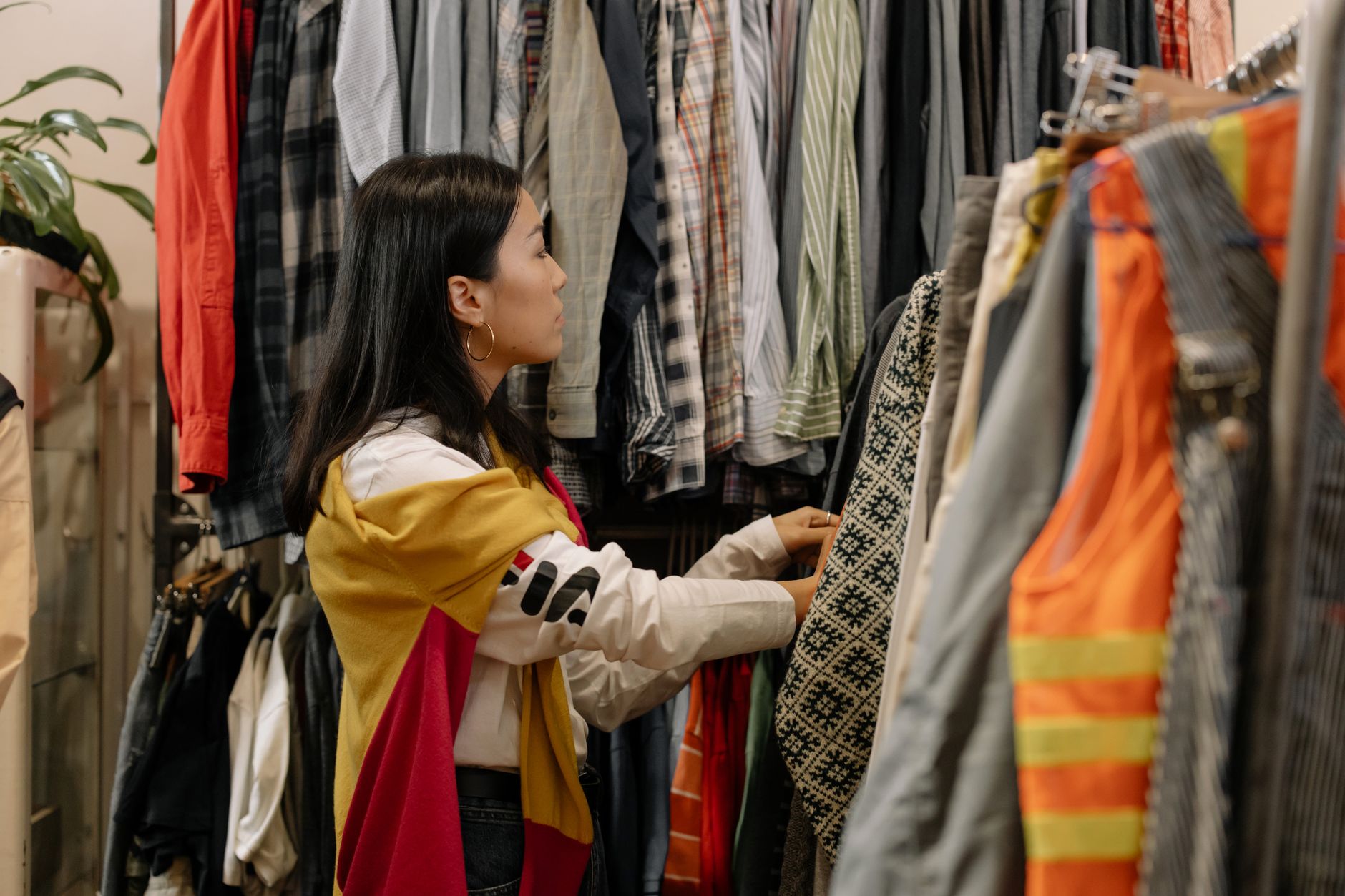
Walk into any metro city mall today and you’ll notice something that would have been unthinkable five years ago — a curated thrift store sitting proudly next to established fast-fashion brands. Scroll through Instagram, and influencers are proudly flaunting pre-loved designer sarees and rented cocktail dresses. India’s fashion rental and resale market, once a niche experiment, has become a full-blown movement in 2026.
According to recent industry estimates, India’s circular fashion market — encompassing rental, resale, and refurbished clothing — is projected to cross ₹15,000 crore by the end of 2027, growing at over 25% annually. For a country that produces nearly 7.8 million tonnes of textile waste every year, this shift couldn’t have come at a better time.
What’s Driving the Circular Fashion Boom?
1. Gen Z and Millennials Are Rewriting the Rules
India’s under-30 population — the largest consumer demographic — is increasingly conscious about environmental impact. A 2026 survey by a leading consulting firm found that 62% of Indian Gen Z consumers prefer brands with clear sustainability commitments. But more importantly, they’re putting their money where their values are.
Platforms like Kiabza, Relove, and CoutLoot have seen user bases double in the past 18 months. These apps make it effortless to buy and sell pre-owned clothing, from high-street labels to luxury Indian designers. The stigma around “second-hand” has been replaced by the cachet of “pre-loved” and “vintage.”
2. Fashion Rental Goes Mainstream
Why buy a ₹45,000 lehenga you’ll wear once when you can rent it for ₹4,500? This simple logic has fuelled the explosive growth of fashion rental platforms across India. Companies like Flyrobe, Rent It Bae, and Stage3 now offer everything from wedding wear to boardroom blazers on short-term rental.
The model is particularly popular for:
- Wedding season: With Indian weddings involving multiple outfit changes across several events, renting heavy ethnic wear saves lakhs.
- Corporate dressing: Young professionals rotating through rented workwear instead of building expensive wardrobes.
- Festive occasions: Diwali, Eid, and Pongal outfits that get worn once and forgotten now have a second life.
Some platforms even offer subscription models — pay ₹2,999 per month and get four outfit rotations, including dry cleaning and delivery. It’s Netflix, but for your wardrobe.
3. Tier 2 and Tier 3 Cities Join the Movement
What started in Mumbai, Delhi, and Bengaluru is rapidly spreading to cities like Jaipur, Lucknow, Indore, and Coimbatore. Improved logistics networks and growing digital literacy mean that a college student in Bhopal can now sell a barely-worn kurta set to a buyer in Kochi within 48 hours.
Offline thrift markets — weekend pop-ups featuring curated pre-loved collections — have become cultural events in cities like Pune and Hyderabad, attracting thousands of young shoppers every month.
The Economics Make Sense Too
Sustainability aside, the financial argument for circular fashion is compelling, especially in the current economic climate:
- Sellers recover 30-50% of their original purchase price on premium items.
- Buyers access designer and branded clothing at 60-80% discounts.
- Renters save up to ₹1-2 lakh annually on occasion wear alone.
With inflation keeping household budgets tight, circular fashion offers a practical way to dress well without overspending. It’s not just green — it’s smart money management.
How Indian Brands Are Responding
Established Indian fashion houses aren’t ignoring this shift. Several major brands have launched their own resale and buy-back initiatives in 2026:
- FabIndia introduced a trade-in programme where customers return old FabIndia garments for store credit.
- Myntra expanded its “Pre-Loved” section, now featuring over 2 lakh verified listings.
- W and Aurelia partnered with rental platforms to offer their ethnic collections on rent during festive seasons.
Even luxury Indian designers are warming up. Renting a Sabyasachi lehenga or a Manish Malhotra sherwani for your big day is no longer frowned upon — it’s celebrated as a conscious choice.
Challenges That Remain
Despite the momentum, India’s circular fashion ecosystem faces hurdles:
- Quality assurance: Buyers remain wary of product condition, especially online. Platforms investing in rigorous quality checks and transparent grading systems are winning trust.
- Hygiene concerns: Post-pandemic, some consumers still hesitate about pre-worn clothing. Professional cleaning certifications and sealed packaging help address this.
- Sizing inconsistency: Indian clothing, especially ethnic wear, varies wildly in sizing — a challenge for online resale without trying on.
- Logistics costs: Shipping delicate garments like embroidered lehengas requires careful handling, adding to operational expenses.
How to Start Your Circular Fashion Journey
Ready to make your wardrobe more sustainable? Here’s a simple roadmap:
- Audit your closet: Identify pieces you haven’t worn in six months. List them on resale apps or donate to local thrift stores.
- Rent before you buy: For weddings and special occasions, check rental platforms first. You’ll be surprised at the range available.
- Buy pre-loved: Start with accessories, bags, or denim — categories where pre-owned quality is easy to verify.
- Host a swap party: Invite friends over for a clothing exchange. It’s free, fun, and surprisingly effective at refreshing your wardrobe.
- Support circular brands: Choose labels that offer repair services, buy-back options, or use recycled materials.
The Bottom Line
India’s relationship with clothing has always been deeply cultural — garments are passed down through generations, fabrics are repurposed into quilts and dupattas, and tailoring keeps clothes alive long past their retail shelf life. In many ways, circular fashion isn’t new to India. What’s new is that technology, changing attitudes, and environmental urgency are scaling these traditions into a market worth thousands of crores.
Whether you’re a budget-conscious student, a wedding-season warrior, or someone who simply cares about the planet, the rental and resale revolution offers something for everyone. The most sustainable outfit, after all, is the one that’s already been made.