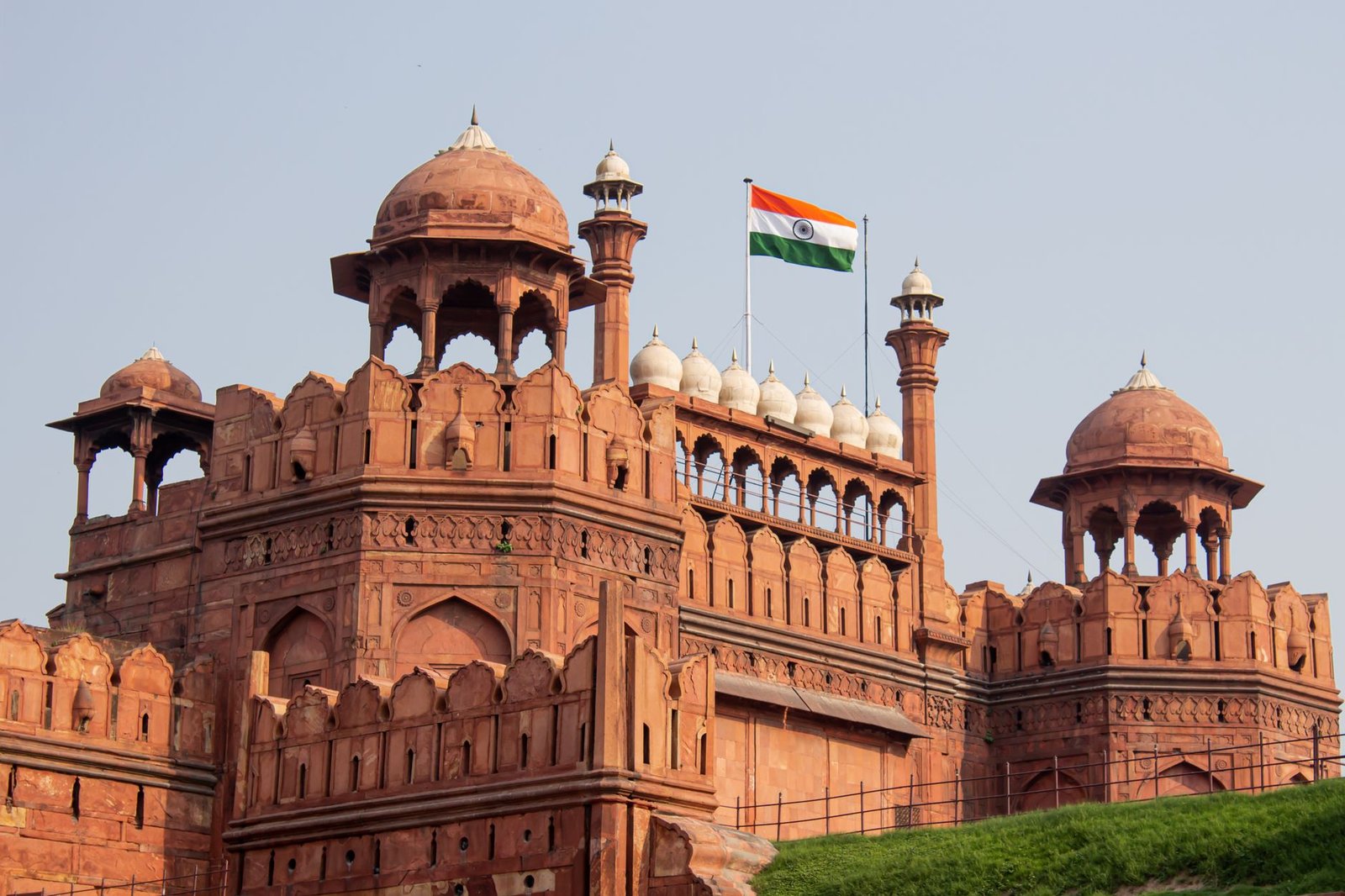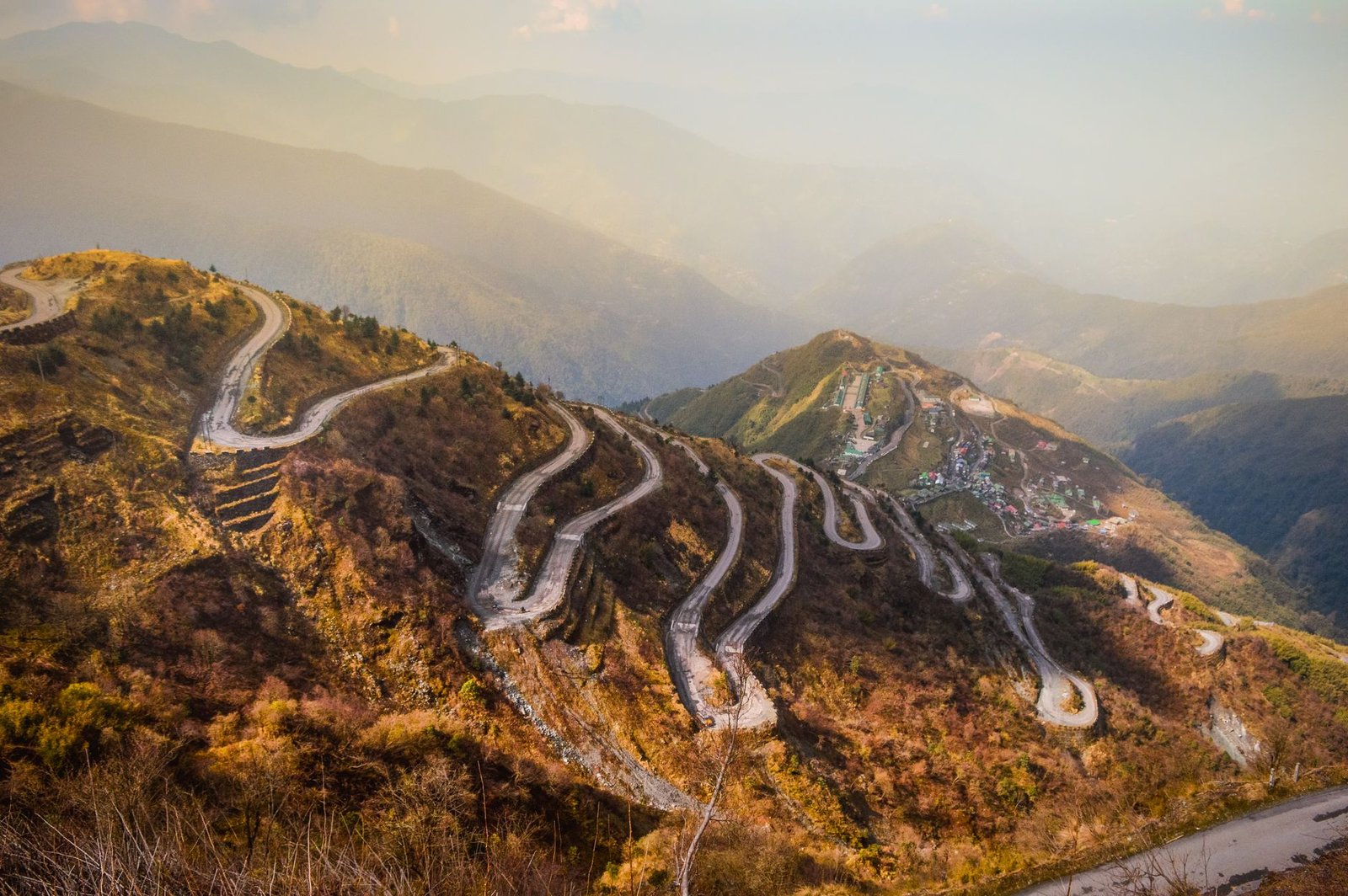
For the first time, the question of where to go on holiday is being answered with a scorecard. The Good Trip Index 2026 — alongside the World Travel & Tourism Council’s newly published seven principles for turning tourism growth into shared prosperity — has pushed a once-niche debate into the mainstream: which sustainable travel destinations 2026 actually deliver value to the people who live there, and which are simply selling the scenery? After a record-breaking year in which international arrivals pushed past pre-pandemic levels and tourism’s contribution to global GDP climbed back above the $11 trillion mark, the industry’s own numbers have become an argument for restraint. This guide unpacks what the index measures, which destinations come out on top, why the rankings surprise people, and how to use all of it when you book your next trip.
What the Good Trip Index 2026 Actually Measures
Most “best places to travel” lists are editorial taste dressed as authority. The Good Trip Index takes the opposite approach: it scores destinations against measurable indicators and lets the ranking fall where it falls. The core pillars are consistent across the sustainability-index family — carbon intensity of travel and stay, visitor density relative to resident population, the share of tourism revenue retained locally, environmental protection of land and water, and social factors including safety, labour standards and LGBTQ+ and women’s rights.
That last cluster is why some famously beautiful places rank poorly and some unglamorous ones rank well. A destination can have spectacular national parks and still score badly if 70% of a typical package holiday’s spending leaves the country through foreign-owned tour operators, airlines and hotel chains — a phenomenon economists call “leakage.” UN Environment Programme estimates have long put leakage in some developing island economies at 40% to 80% of tourist spending. The index is, in effect, a measure of how much of your money stays where you spent it.
The second pillar — visitor density — is the one travellers feel most directly. Barcelona hosts roughly 20 visitors for every resident each year; Venice’s historic centre has fewer than 50,000 permanent residents against tens of millions of annual visitors. Amsterdam, Kyoto, Dubrovnik and Santorini all sit on the same uncomfortable curve. The index treats crowding not as an inconvenience for tourists but as a cost borne by residents through housing pressure, water use and eroded public space.
Who Leads the Sustainable Travel Destinations 2026 Rankings
The pattern at the top of the sustainable travel destinations 2026 tables is consistent enough across competing indices to be meaningful. Northern Europe dominates the aggregate scores: Finland, Sweden, Norway, Denmark and Estonia benefit from high renewable-electricity shares, strong labour protections, low visitor-to-resident ratios outside a handful of hotspots, and well-funded protected areas. Finland alone protects around 13% of its land area and generates a large majority of its electricity from non-fossil sources.
Beyond the Nordics, several destinations consistently over-perform relative to their size and income:
- Costa Rica — roughly a quarter of its territory under protection, near-fully renewable grid, and a certification scheme (CST) that has pushed sustainability standards into the hotel sector for over two decades.
- Slovenia — the Green Scheme of Slovenian Tourism now certifies destinations, not just hotels, and Ljubljana remains one of Europe’s most walkable capitals.
- Uruguay — a quiet standout in South America, with a grid running overwhelmingly on wind, hydro and biomass and visitor numbers modest enough to avoid density penalties.
- Bhutan — its Sustainable Development Fee is the world’s most explicit attempt to price tourism’s externalities, and the country remains carbon negative.
- Palau — the Palau Pledge, stamped into every arriving passport since 2017, plus a marine sanctuary covering most of its exclusive economic zone.
- Rwanda — high-value, low-volume gorilla permits that route a defined share of revenue into communities bordering the parks.
What unites them is not wealth. It is policy: a deliberate decision to cap volume, price scarcity honestly, and legislate where the money lands. That is the transferable lesson, and it is exactly what the WTTC’s seven principles attempt to codify for destinations that have not yet made those choices.
The WTTC’s Seven Principles, Translated
The World Travel & Tourism Council’s framework is aimed at ministries and destination management organisations, but it is readable as a checklist for travellers too. Stripped of the diplomatic language, the seven principles come down to this: plan tourism with residents rather than at them; measure impact with real data instead of arrival counts; spread visitors across seasons and geographies; make sure local businesses and workers capture a meaningful share of the spend; protect natural and cultural assets as the underlying product; invest tourism revenue back into infrastructure communities use; and be transparent about results.
The shift from counting arrivals to measuring value is the substantive change. For thirty years, destination success was a single number going up. A city that hosted 12 million visitors was doing better than one that hosted 8 million. That metric is now openly criticised by the industry body that once promoted it — a meaningful reversal, and one that explains the wave of policy activity across 2025 and 2026.
“The destinations that will thrive in the next decade are the ones that stopped optimising for volume and started optimising for value retained locally. Arrivals are a vanity metric. What matters is how much of each visitor’s spend survives contact with the local economy, and whether residents would vote to keep the industry if you asked them.” — Dr. Elena Marchetti, tourism economist and advisor on destination resilience
The policy trail backs this up. Venice’s day-tripper access fee, piloted in 2024 and expanded since, charges up to €10 on peak days. Barcelona has announced it will phase out its roughly 10,000 licensed short-term tourist apartments by 2028. Amsterdam capped overnight stays at 20 million per year and banned new hotel construction. Greece introduced a cruise passenger levy for Santorini and Mykonos in 2025. Japan doubled the departure tax conversation into a broader pricing debate as Kyoto raised its accommodation tax sharply. These are not isolated gestures; they are a coordinated repricing of access.
Why Some Famous Destinations Score Badly
Travellers are often surprised to see bucket-list names in the lower half of responsible-tourism rankings. Three structural reasons explain most of it.
Aviation distance. Transport typically accounts for around 70% of tourism’s carbon footprint, and long-haul flying dominates that share. A remote island paradise can run a perfect eco-resort and still carry a heavy per-visitor emissions load simply because everyone arrives by widebody aircraft. Indices that weight emissions honestly cannot ignore this, which is why nearby destinations reached by rail score disproportionately well in Europe.
Ownership structure. Where international chains, foreign-flagged cruise lines and offshore booking platforms intermediate most transactions, local retention collapses. Cruise passengers are the extreme case: research in several Mediterranean and Caribbean ports has found day-visitor spending is a small fraction of overnight-visitor spending, while the port bears the full crowding and emissions cost.
Housing displacement. Short-term rental concentration in historic centres has repeatedly been linked to rent increases and resident outflow. When a city’s core becomes a monoculture of visitor accommodation, the culture people travelled to see is the first thing to go — and the index penalises the outcome, not the intention.
How to Plan a Better Trip in 2026: Practical Steps
None of this requires giving up travel. It requires changing a handful of booking decisions, most of which also produce a better holiday. Here is what actually moves the needle, roughly in order of impact:
- Fly less often, stay longer. One two-week trip beats two one-week trips on almost every metric. The flight is the footprint; the days on the ground are where the value is created.
- Go in shoulder season. May, September and October in the Mediterranean; the difference in crowding, price and local goodwill is dramatic. Off-peak visitors are the ones destinations genuinely want.
- Pick the second city. Ghent instead of Bruges, Girona instead of Barcelona, Kanazawa instead of Kyoto, Matera instead of Amalfi. Same region, a fraction of the density, and your money reaches an economy that needs it.
- Take the train where it exists. European rail emits roughly 70–90% less CO₂ per passenger-kilometre than the equivalent short-haul flight, and the 2026 network — including expanded night services — makes this realistic for most journeys under 1,000km.
- Book locally owned accommodation. Independent hotels, family-run guesthouses and agriturismi retain far more revenue locally than international chains or investor-owned apartment portfolios.
- Hire local guides directly. A licensed local guide booked direct captures close to the full fee; the same tour sold through a multi-layer intermediary may return a third of it.
- Check for real certification. Look for GSTC-recognised schemes, Green Key, EU Ecolabel or national programmes like Costa Rica’s CST. Vague “eco-friendly” language with no named standard is marketing.
- Respect posted caps and fees. Access charges and visitor limits are the mechanism that keeps places open. Paying them is participation, not punishment.
One more habit worth adopting: spend money in the evening, away from the central square. Tourist-zone economics concentrate spending into a handful of high-rent blocks. Eating dinner two neighbourhoods out redistributes it — and is usually the better meal.
What This Means for the Next Five Years
Expect the direction of travel to continue. More destinations will introduce entry fees, caps and cruise levies; more will publish resident-sentiment data alongside arrival figures; and the gap will widen between places that manage tourism actively and places that let it happen to them. Climate pressure accelerates all of it — Southern European summers are becoming genuinely difficult for outdoor travel, which is already shifting demand toward spring, autumn and higher latitudes.
For travellers, the practical consequence is that the most rewarding trips of the late 2020s will look different from the ones that dominated Instagram in the 2010s: fewer destinations per trip, longer stays, more rail, more shoulder season, more places you had not heard of five years ago. The Good Trip Index is useful less as a ranking to obey than as a diagnostic — it tells you what to ask before you book.
Conclusion: Key Takeaways
The Good Trip Index 2026 and the WTTC’s seven principles mark the point where responsible tourism stopped being a values statement and became a measurement problem with published answers. That is progress, because measurement changes behaviour in a way that appeals to conscience rarely does.
- The index scores destinations on emissions, visitor density, local revenue retention, environmental protection and social rights — not on beauty or popularity.
- The Nordics lead on aggregate scores, while Costa Rica, Slovenia, Uruguay, Bhutan, Palau and Rwanda over-perform through deliberate policy rather than wealth.
- Famous destinations often score poorly because of long-haul aviation, foreign ownership of the value chain, and housing displacement in historic centres.
- Venice, Barcelona, Amsterdam, Greece and Kyoto have all introduced caps, fees or bans since 2024 — access pricing is now the mainstream policy tool.
- The highest-impact traveller decisions are flying less often, staying longer, travelling in shoulder season, choosing second cities, taking the train, and booking locally owned accommodation and guides.
Where you go still matters. But in 2026, how you go — and how much of your money stays behind — matters at least as much.