If you want to understand what the world will be wearing, eating, and obsessing over six months from now, you no longer look at fashion week runways or glossy magazine covers. You look at TikTok trends 2026 — the fast-moving, algorithm-driven currents that have become the single most powerful forecasting engine in global consumer culture. With more than 1.9 billion monthly active users and an average session time that now rivals traditional television viewing, TikTok has evolved from an entertainment app into what Vogue Business calls a ‘real-time trend tracker’ — a place where a micro-aesthetic can go from a single creator’s bedroom to shelves at Zara in under eight weeks. In this article, we break down the most important TikTok trends of 2026, explain why they are moving faster than ever, and show you how to actually use them — whether you’re a consumer, a creator, or a brand trying to stay relevant.
Why TikTok Trends 2026 Move Faster Than Ever
The trend cycle has collapsed. In the early 2010s, a fashion trend typically took two to three years to move from runway to mass market. By 2023, that window had shrunk to a few months. In 2026, trend analysts estimate the average lifespan of a viral TikTok aesthetic at just six to ten weeks — from emergence to saturation to backlash. Vogue Business, which now publishes a dedicated TikTok Trend Tracker, notes that hashtag velocity (the speed at which a tag accumulates views in its first 72 hours) has become a more reliable predictor of retail demand than traditional forecasting agencies.
Two forces are driving this acceleration. First, TikTok’s algorithm has become remarkably good at identifying ‘pre-viral’ content — videos showing early engagement signals get pushed to trend-hungry audiences almost instantly. Second, the supply chain has caught up. Ultra-fast fashion players and even mid-market retailers now run ‘social listening to shelf’ pipelines, using AI tools to scan trending audio, hashtags, and visual motifs, then producing matching inventory in weeks. The result is a feedback loop where trends are commercialized almost as soon as they appear — which, paradoxically, is also why so many of 2026’s biggest movements are reactions against that speed.
The Biggest TikTok Trends 2026: Aesthetics Worth Knowing
Amid thousands of micro-trends, a handful of dominant currents have defined the first half of 2026. These are the ones with genuine staying power, backed by search data and retail sell-through rather than just view counts:
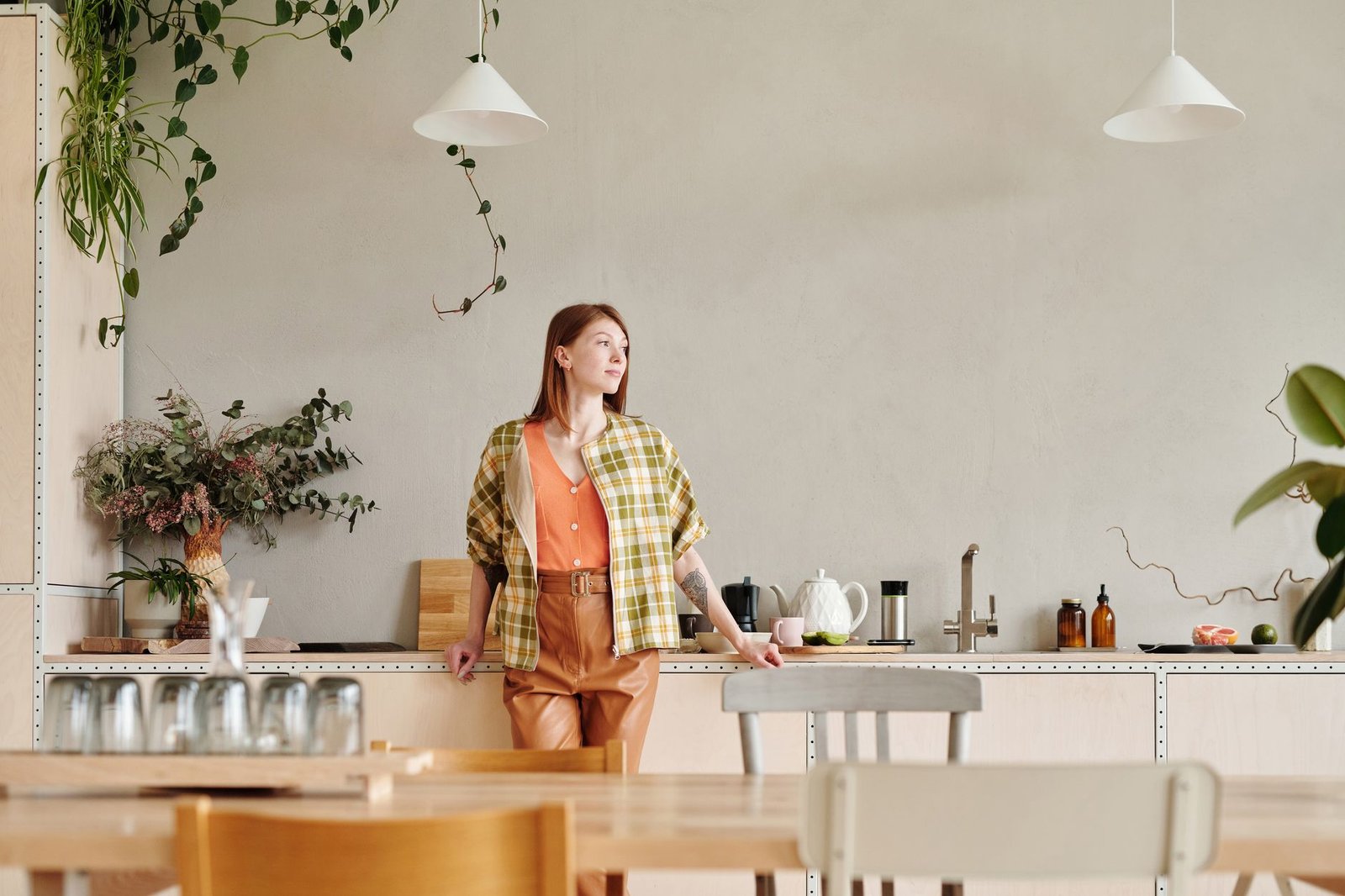
- Unserious dressing: Perhaps the defining mood of 2026. After years of ‘quiet luxury’ minimalism, TikTok has swung hard toward playfulness — clashing prints, oversized bows, charm-covered bags, and outfits built around a single absurd statement piece. Trend forecasters link this directly to a broader cultural shift: in uncertain economic times, fashion becomes a low-cost source of joy and self-expression.
- Sport style beyond the gym: Echoing Pinterest’s Summer 2026 report, athletic references dominate street style. Think retro football jerseys styled with tailoring, cycling caps as everyday accessories, and ‘blokecore’ evolving into something more polished. The 2026 World Cup supercharged this trend globally, with vintage jersey resale prices up an estimated 40% year-over-year on secondhand platforms.
- Food-fashion crossover: One of 2026’s strangest and most commercially potent trends. Fashion houses are launching chocolate lines, cafés, and food-themed capsule collections, while food content creators have become legitimate style influencers. The ‘butter yellow’ color wave that dominated spring 2026 wardrobes began, quite literally, with viral butter-board and pastry content.
- Analog revival: Digital cameras from 2008, wired headphones, physical photo albums, and handwritten journaling content are surging. The #digitalcamera tag has accumulated billions of views as Gen Z romanticizes the pre-smartphone era — a direct response to algorithm fatigue.
- Hyper-local pride: From Indian handloom styling videos to Italian ‘nonna-core’ cooking content, creators are leaning into regional identity. Global sameness is out; cultural specificity is the new flex.
What unites these movements is a common emotional thread: a desire for authenticity, tactility, and fun in a digital environment that increasingly feels manufactured. The most successful trends of 2026 aren’t products — they’re moods.
How TikTok Trends 2026 Are Reshaping the Fashion Industry
The business impact is enormous and measurable. According to industry analyses published this year, TikTok Shop’s gross merchandise value is projected to exceed $65 billion globally in 2026, with fashion and beauty accounting for the largest share. More telling is how that money moves: an estimated 70% of TikTok users say they’ve purchased something after seeing it on the platform, and ‘TikTok made me buy it’ remains one of the most powerful retail phrases in existence.
Legacy fashion brands have been forced to restructure entirely. Marketing teams that once planned seasonal campaigns a year in advance now operate ‘trend rooms’ — small, agile units empowered to produce content and even product within days of a trend emerging. Vogue Business’s Trend Tracker reports that brands responding to a viral moment within the first two weeks capture significantly more engagement than those arriving a month late, by which point the trend has often already entered its ironic backlash phase.
“The brands winning on TikTok in 2026 aren’t the ones chasing every trend — they’re the ones who understand which trends align with their identity and can respond in days, not quarters. Speed without coherence just reads as desperate, and this audience can smell desperation instantly.” — Lucía Fernández, consumer culture analyst and retail strategist
There’s also a darker side worth acknowledging. The compressed trend cycle fuels overconsumption and textile waste, a tension that hasn’t gone unnoticed by TikTok’s own users. ‘De-influencing’ content — creators actively telling followers what not to buy — has matured from a 2023 novelty into a permanent genre, and ‘cost-per-wear’ analysis videos regularly outperform haul content in 2026. The platform that accelerated fast fashion is now, in parts, its loudest critic.
Food, Wellness, and the Lifestyle Side of TikTok Trends 2026
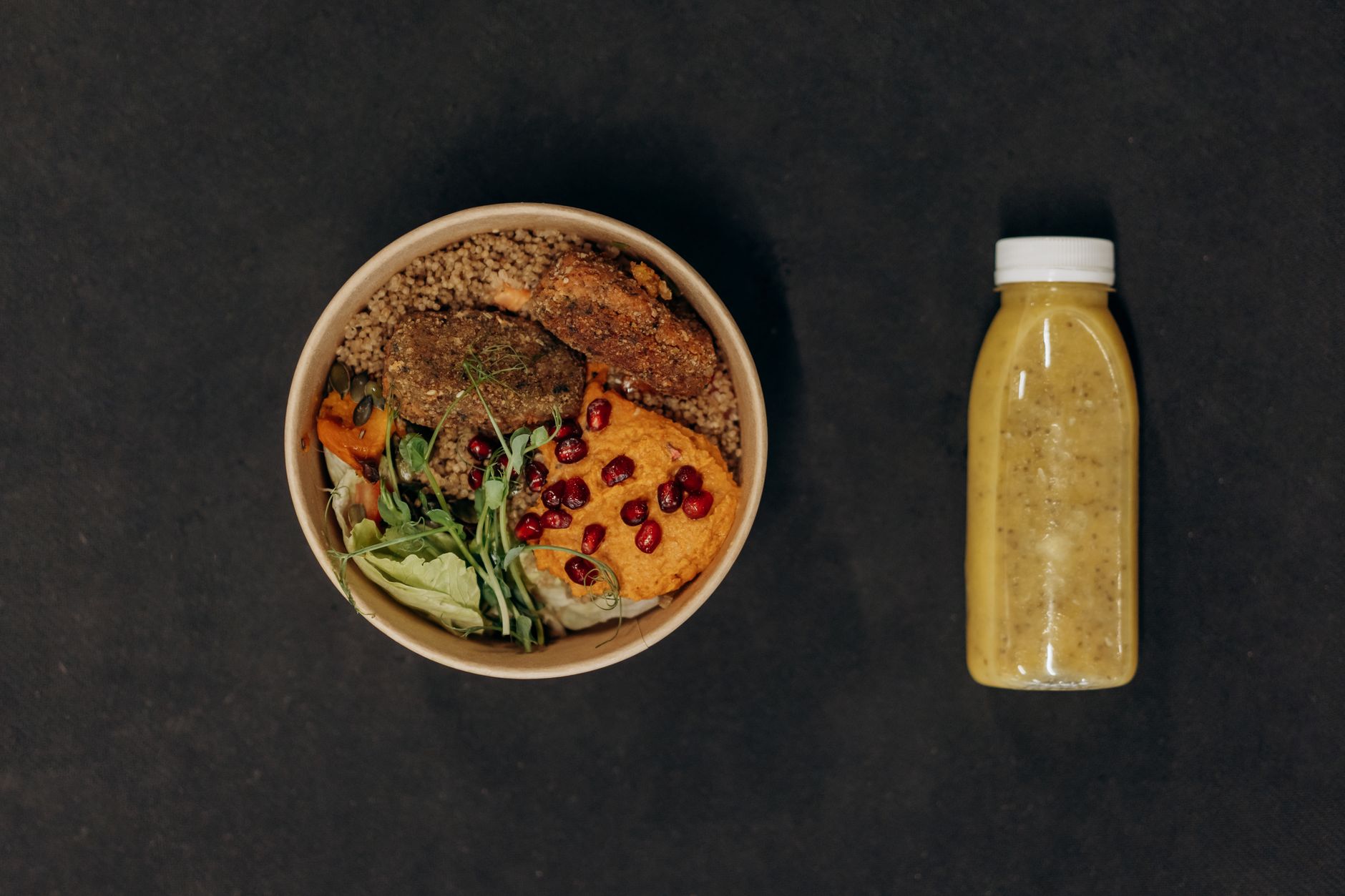
Fashion may get the headlines, but food and wellness content actually generate more engagement on TikTok in 2026. The high-protein movement continues its multi-year reign — cottage cheese content alone has driven double-digit sales growth for dairy brands since 2024, and protein-fortified versions of everything from pasta to popcorn now fill supermarket shelves. Fermentation, ‘water-based’ cooking techniques, and third-culture cuisine (dishes blending immigrant heritage with local ingredients) round out the top food trends of the year.
In wellness, the dominant theme is what analysts call ‘the great simplification.’ After years of 12-step skincare routines and biohacking maximalism, viral content in 2026 celebrates doing less: walking instead of high-intensity workouts, three-product skincare, sleep as the ultimate status symbol. The #morningwalk and #slowliving tags have seen explosive growth, and ‘dopamine detox’ content — helping users reduce their own screen time — performs remarkably well on a platform designed to maximize it.
- Protein-first eating: Still the most commercially significant food trend, now expanding into savory snacks and beverages.
- Restaurant-core at home: Elaborate home dining setups, tablescaping, and ‘girl dinner’ evolved into genuine home entertaining culture.
- Functional beverages: Mushroom coffees, adaptogen sodas, and prebiotic drinks — a category projected to surpass $200 billion globally by 2030.
- Low-alcohol living: Sober-curious content keeps growing, with non-alcoholic beer and spirits among the fastest-growing beverage segments worldwide.
How to Use TikTok Trends 2026 Without Being Used by Them
For individual consumers, the healthiest relationship with TikTok trends is selective participation. Here’s practical advice you can act on immediately:
- Apply the two-week rule: When a product or aesthetic tempts you, wait 14 days. Most micro-trends will have already peaked, and you’ll know whether your interest was genuine or algorithmic.
- Follow trends as inspiration, not instruction: The most stylish people on the platform adapt trends to their existing wardrobe rather than replacing it. One statement piece in a trending color beats five disposable purchases.
- Audit your feed quarterly: Your For You page shapes your desires more than you realize. Actively engaging with content you value — and skipping what you don’t — retrains the algorithm in your favor.
- Buy secondhand first: Because TikTok recycles past decades so aggressively, most trending items already exist in resale markets at a fraction of the price. Vintage sports jerseys, digital cameras, and Y2K accessories are all cheaper (and more authentic) secondhand.
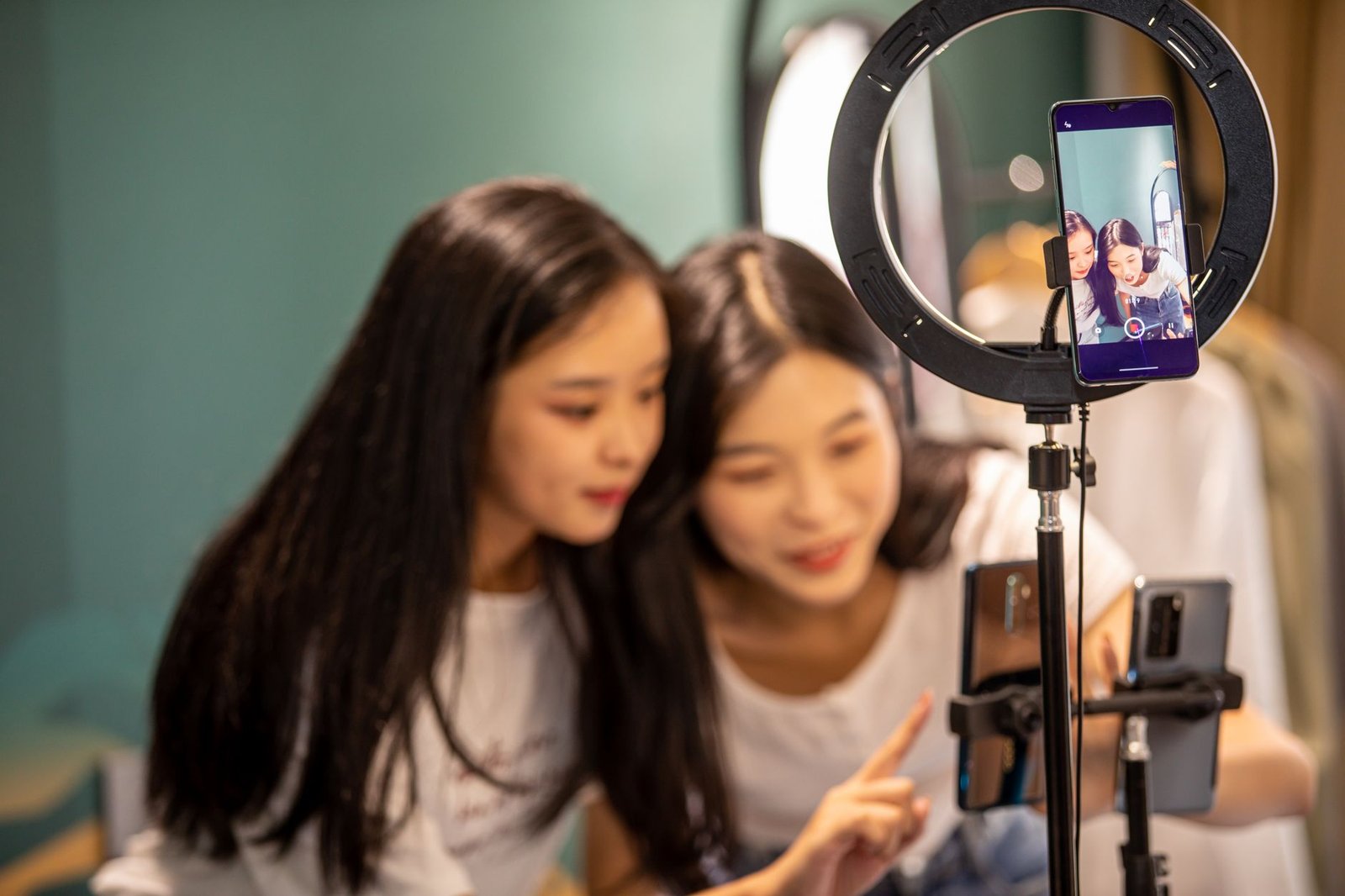
For creators and small businesses, the opportunity in 2026 lies in depth over breadth. TikTok’s algorithm increasingly rewards niche authority — the ceramicist explaining glazes, the tailor breaking down garment construction — over generic trend participation. Search behavior supports this: nearly half of Gen Z now uses TikTok as a primary search engine, meaning evergreen, informative content compounds in value long after trending audio fades. If you’re building a presence, answer the questions your audience is actually searching, and let trends be seasoning rather than the whole meal.
What Comes After the Trend Cycle? The 2026 Backlash
The most fascinating TikTok trend of 2026 may be the growing exhaustion with trends themselves. ‘Trend fatigue’ content — creators announcing they’re opting out of the cycle entirely — consistently goes viral, which is its own delicious irony. Concepts like ‘personal style over trends,’ capsule wardrobes, and ‘underconsumption core’ have moved from fringe to mainstream, suggesting the platform’s culture is self-correcting toward sustainability, or at least toward the aesthetic of it.
Industry watchers see this as part of the broader ‘unserious’ cultural moment of 2026: a generation that grew up inside the algorithm now understands exactly how it works, and treats trend participation as a game to be played knowingly rather than a mandate to be obeyed. That media literacy is reshaping what succeeds on the platform. Overtly commercial trend-chasing underperforms; humor, honesty, and craft outperform. For brands, the lesson is clear — the era of simply hijacking a trending sound is over.
Conclusion: Key Takeaways on TikTok Trends 2026
TikTok trends 2026 reveal a culture in creative tension with itself — faster than ever at producing viral moments, yet increasingly hungry for slowness, authenticity, and meaning. The dominant aesthetics of the year (unserious dressing, sport style, food-fashion crossovers, and analog revival) all point in the same direction: people want fun, tactility, and identity in their consumption, not just novelty.
- The trend cycle has compressed to six to ten weeks, forcing brands to restructure around real-time response.
- TikTok Shop’s projected $65 billion+ GMV in 2026 confirms the platform is now core retail infrastructure, not just marketing.
- Food and wellness trends — high-protein everything, functional drinks, and ‘the great simplification’ — generate the platform’s deepest engagement.
- De-influencing and underconsumption content signal a maturing audience that participates in trends critically, not blindly.
- For individuals, the winning strategy is selective: use the two-week rule, adapt rather than adopt, and buy secondhand where possible.
Whether you love it or find it exhausting, one thing is certain: to read TikTok in 2026 is to read the global consumer mind in real time. The smartest players — consumers and brands alike — aren’t the ones chasing every wave, but the ones who understand which waves are worth riding.