Why Hybrid Fitness Is Taking Over Indian Gyms and Living Rooms
Forget choosing between yoga and the gym. In 2026, India’s fittest professionals aren’t picking sides — they’re stacking disciplines. The hybrid fitness movement, which blends yoga, strength training, and low-intensity walking into one weekly routine, has exploded across Indian metros. And there’s solid science behind why it works.
According to a recent FICCI-EY wellness report, India’s fitness industry crossed ₹35,000 crore in 2025, with ‘hybrid memberships’ — combining yoga studios and gyms — growing at 42% year-on-year. From Bengaluru’s tech parks to Mumbai’s co-working spaces, the message is clear: one-dimensional fitness is out, and the integrated stack is in.
What Exactly Is a Hybrid Fitness Routine?
A hybrid fitness routine combines three pillars into your weekly schedule:
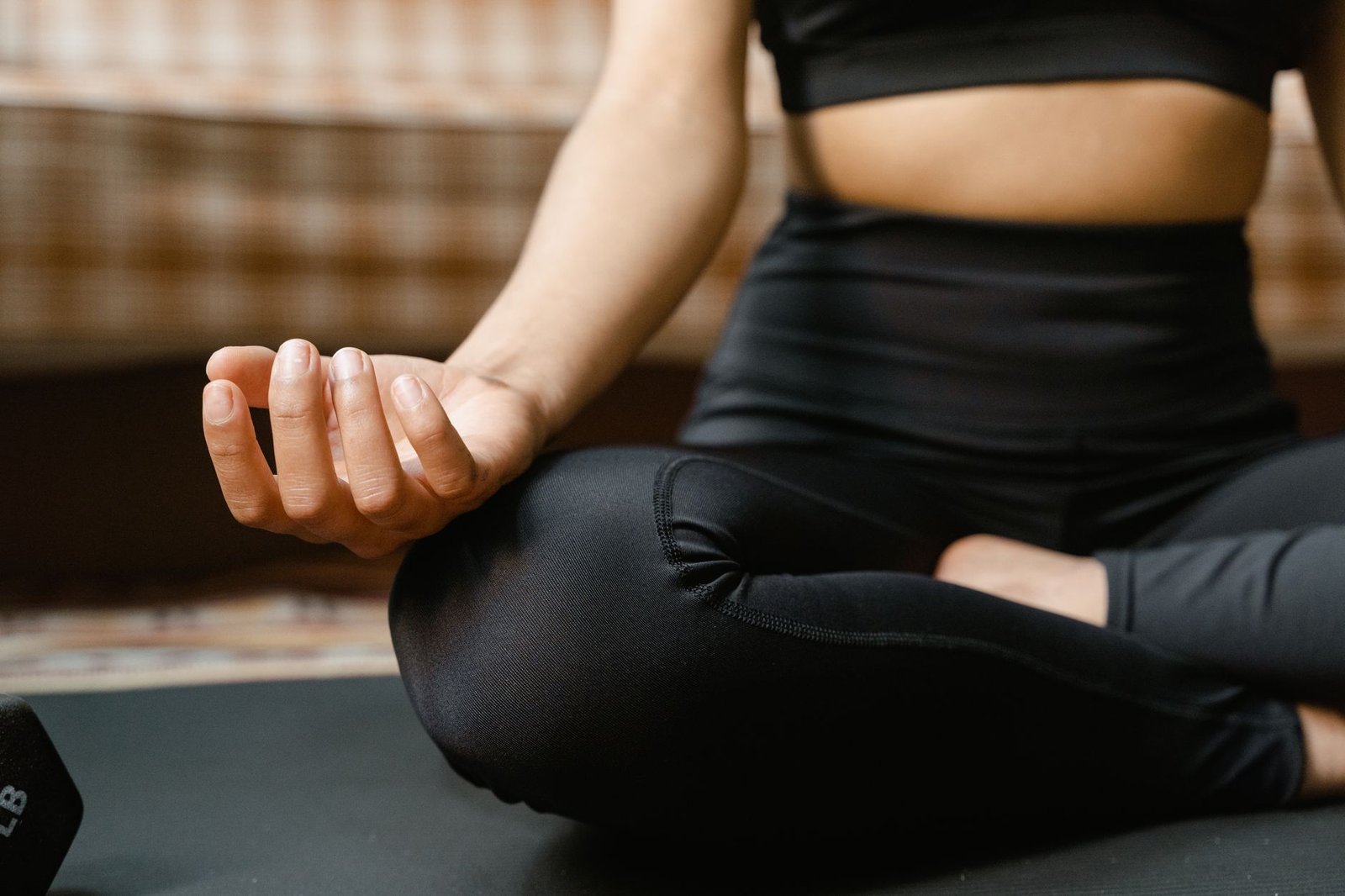
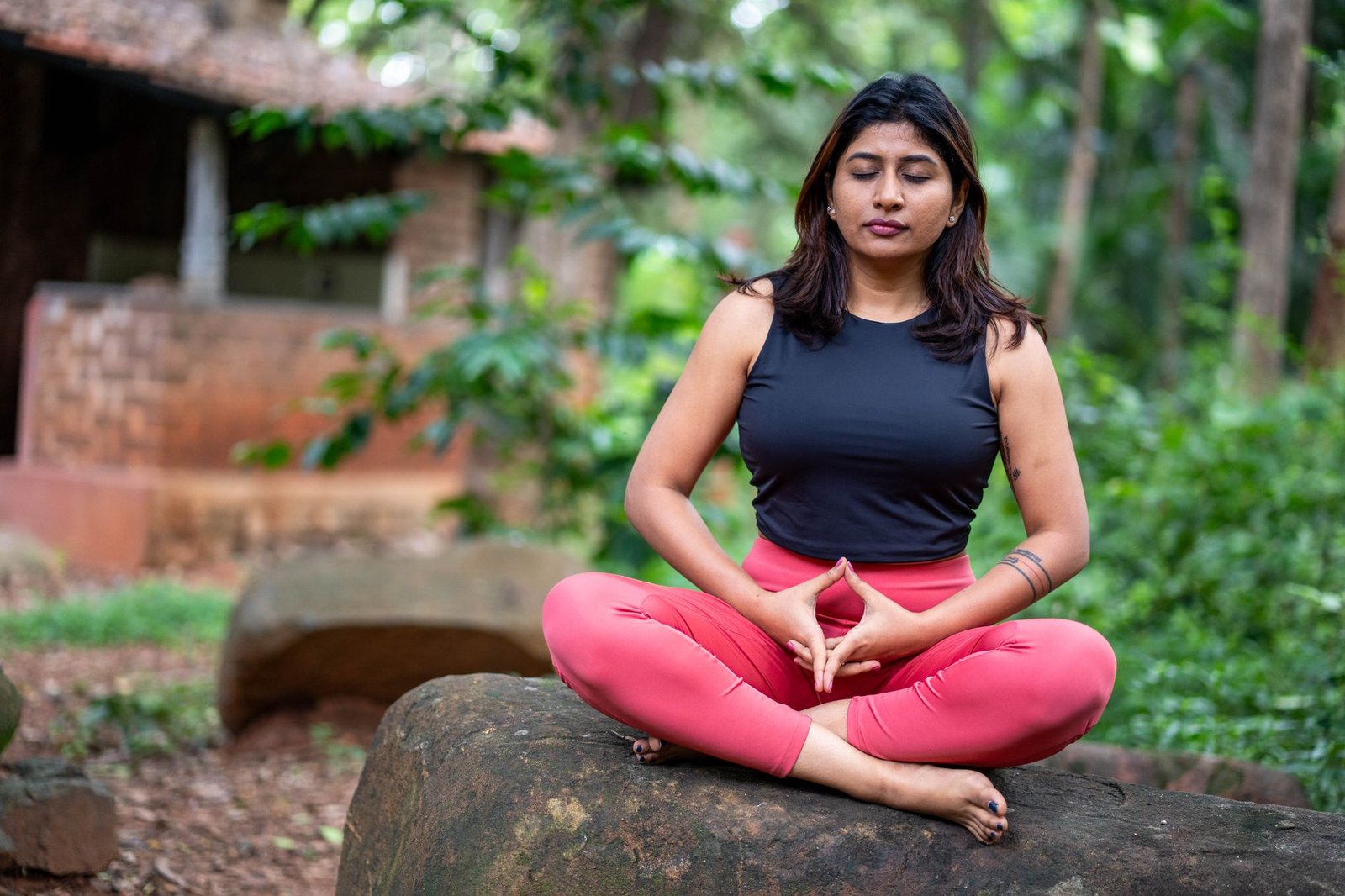
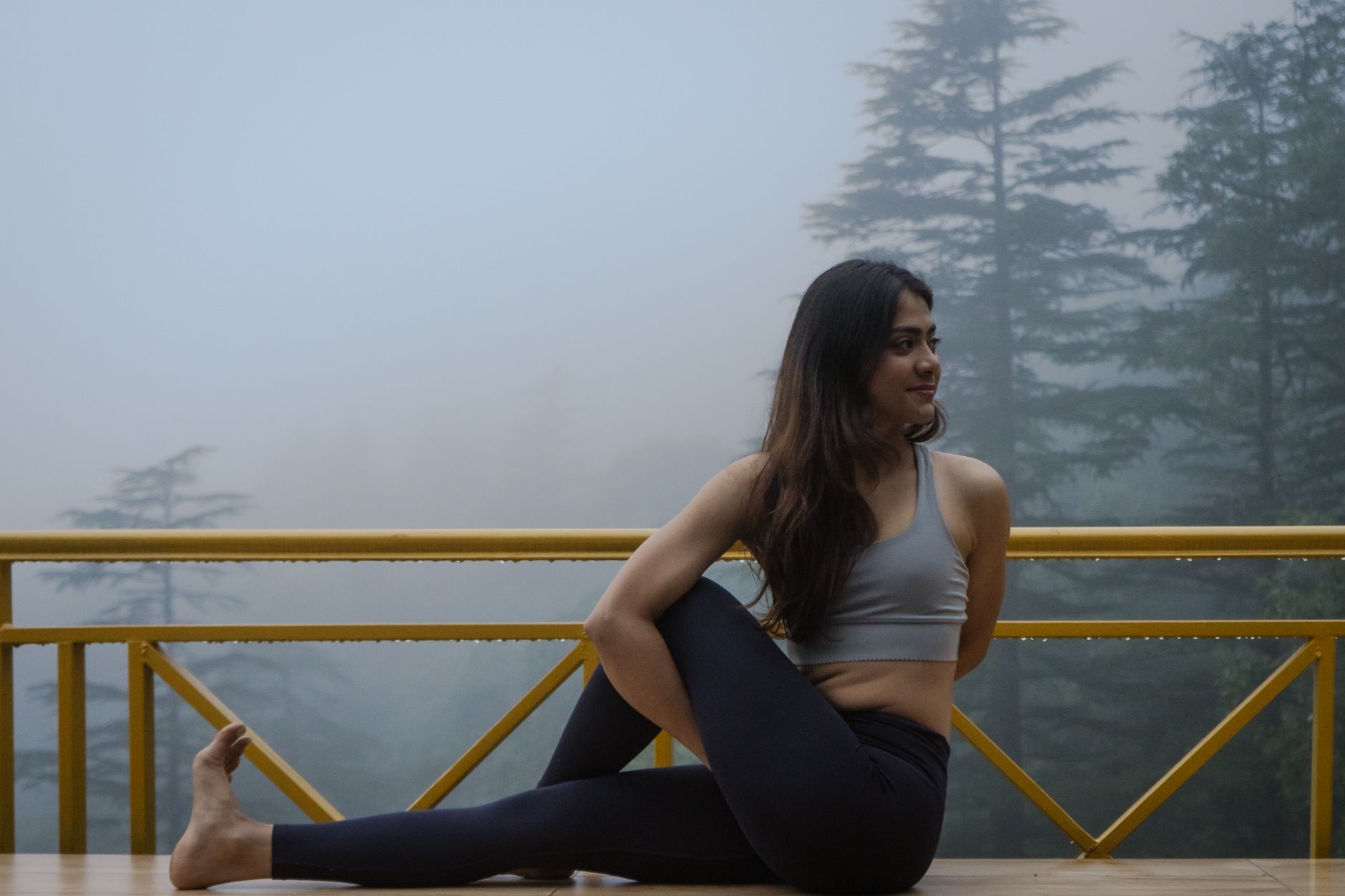
- Mobility & Mindfulness (Yoga/Stretching): 2–3 sessions per week focusing on flexibility, breathwork, and mental recovery.
- Strength & Resistance Training: 2–3 sessions per week using bodyweight exercises, dumbbells, or gym machines to build muscle and bone density.
- Low-Intensity Steady State (Walking/Cycling): Daily movement of 7,000–10,000 steps or 30 minutes of Zone 2 cardio.
The beauty of this approach is balance. Yoga alone won’t build the muscle mass needed to prevent age-related sarcopenia. Strength training alone often leads to tightness and injury. Walking alone won’t give you functional strength. But combined? You get a body that’s strong, flexible, and cardiovascularly efficient.
The 7-Day Hybrid Fitness Plan for Indian Professionals
Here’s a practical weekly template designed for someone working a 9-to-7 schedule in any Indian city. No fancy equipment needed — a yoga mat, a pair of dumbbells (5–10 kg), and a good pair of walking shoes will do.
Monday: Strength Training (Upper Body) — 35 Minutes
Push-ups (3×12), dumbbell shoulder press (3×10), bent-over rows (3×10), planks (3×45 seconds). Finish with a 10-minute brisk walk. This sets the tone for the week and kickstarts your metabolism after the weekend.
Tuesday: Yoga Flow — 30 Minutes
Start with 5 rounds of Surya Namaskar, move into warrior sequences, and finish with hip openers and a 5-minute Shavasana. Morning sessions work best — research from AIIMS Delhi shows that morning yoga lowers cortisol levels by up to 23% through the workday.
Wednesday: Strength Training (Lower Body) — 35 Minutes
Squats (3×15), lunges (3×12 each leg), glute bridges (3×15), calf raises (3×20). Add a 10-minute walk cooldown. Your legs house the largest muscle groups — training them burns the most calories and improves insulin sensitivity.
Thursday: Active Recovery — 45-Minute Walk
Take a brisk walk in your neighbourhood park, on your office campus, or even on a treadmill. Maintain a pace where you can hold a conversation but feel slightly breathless. This is Zone 2 cardio — the fat-burning sweet spot that’s become wildly popular among Indian fitness creators on Instagram and YouTube.
Friday: Full Body Strength — 35 Minutes
Combine compound movements: deadlifts or kettlebell swings (3×10), push-ups (3×12), goblet squats (3×12), and dumbbell rows (3×10). Keep rest periods to 60 seconds for a metabolic boost heading into the weekend.
Saturday: Yoga & Pranayama — 40 Minutes
A deeper practice. Include Ashtanga-inspired sequences, balance postures like Vrikshasana, and dedicate 10 minutes to Pranayama (Anulom Vilom and Kapalbhati). This session is as much for your mind as your body — think of it as your weekly mental defrag.
Sunday: Long Walk or Light Activity — 60 Minutes
Walk in a park, go cycling, play a sport, or simply take your family for a long stroll. The goal is joyful movement, not performance. Some of India’s top corporate leaders — from Zerodha’s Nithin Kamath to Boat’s Aman Gupta — have publicly credited long Sunday walks as their top productivity hack.
Why This Works Especially Well for Indians
India’s lifestyle presents unique fitness challenges that a hybrid approach directly addresses:
- Sedentary desk culture: India has over 5 crore IT and services professionals sitting 8–12 hours daily. Yoga counters the postural damage, while strength training reverses muscle atrophy.
- High diabetes risk: Indians are genetically predisposed to insulin resistance. Strength training is clinically proven to improve glucose metabolism — the Indian Journal of Endocrinology recommends it alongside diet for pre-diabetic patients.
- Stress epidemic: A 2025 Deloitte survey found 59% of Indian employees report chronic workplace stress. The yoga and walking components directly lower cortisol and improve sleep quality.
- Climate variability: During monsoon or extreme summer heat, outdoor-only routines fall apart. This plan lets you shift strength and yoga sessions indoors while adjusting walk timings to cooler hours.
Gear and Apps: What You Actually Need
You don’t need a ₹50,000 gym membership. Here’s a budget-friendly setup:
- Yoga mat: ₹500–1,500 (Boldfit and Strauss are solid Indian brands)
- Adjustable dumbbells: ₹2,000–4,000 for a 10 kg set
- Walking shoes: ₹2,500–5,000 (Campus, Skechers, or Asics)
- Fitness tracker: ₹3,000–8,000 (Noise, Fastrack Reflex, or Amazfit for step counting and heart rate)
For guided sessions, Indian apps like CureFit (Cultfit) and Sarva Yoga offer hybrid plans. YouTube channels like Beer Biceps, Fit Tuber, and Yoga With Adriene (with Indian-adapted routines) provide free alternatives.
Common Mistakes to Avoid
- Skipping strength training: Many Indians, especially women, avoid weights fearing they’ll ‘bulk up.’ This is a myth — strength training builds lean muscle and boosts metabolism.
- Overcomplicating nutrition: You don’t need imported protein powders. Dal, paneer, eggs, chicken, soya chunks, and curd provide ample protein for this routine. Aim for 1.2–1.6 grams of protein per kg of body weight daily.
- Ignoring sleep: No fitness routine compensates for sleeping less than 6.5 hours. Treat sleep as the fourth pillar of your hybrid stack.
- Going too hard too fast: Start with bodyweight exercises if you’re a beginner. Add weights gradually over 4–6 weeks.
The Bottom Line
The hybrid fitness routine isn’t a fad — it’s a recognition that human bodies need variety. Strength for resilience, yoga for mobility and calm, walking for cardiovascular health and mental clarity. For Indian professionals juggling demanding careers, family responsibilities, and the chaos of city life, this balanced approach is sustainable, affordable, and remarkably effective.
Start this week. Pick any three days for strength, two for yoga, and walk every day. Within 8 weeks, you’ll notice sharper focus at work, better sleep, and a body that actually feels good to live in. That’s not a marketing promise — it’s what happens when you stop choosing between fitness philosophies and start combining them.