The Gut-Brain Connection: Why Your Stomach Holds the Key to Better Mental Health
If you have ever felt “butterflies in your stomach” before a job interview or experienced an upset stomach during stressful times, you have already felt the gut-brain connection at work. Scientists now call the gut our “second brain,” and emerging research in 2026 confirms that the trillions of bacteria living in your digestive tract directly influence your mood, anxiety levels, and even your risk of depression.
For Indian readers, here is the exciting part — many traditional Indian foods and dietary habits are naturally rich in gut-friendly compounds that modern science is only now beginning to validate. Let us explore how you can harness the power of your gut to improve your mental health, using ingredients already sitting in your kitchen.
What Is the Gut-Brain Axis?
The gut-brain axis is a two-way communication highway connecting your gastrointestinal tract and your central nervous system. This connection works through the vagus nerve, immune signals, and chemical messengers produced by gut bacteria — collectively known as your gut microbiome.
About 90% of your body’s serotonin — the “happiness hormone” — is produced in the gut, not the brain. When your gut microbiome is out of balance (a condition called dysbiosis), it can trigger inflammation that has been linked to anxiety, depression, brain fog, and chronic fatigue.
A landmark 2026 study published in Nature Microbiology involving over 10,000 participants across South Asia found that individuals with diverse gut bacteria reported 40% fewer symptoms of anxiety and depression compared to those with a less diverse microbiome. The takeaway is clear: feeding your gut well is feeding your mind well.
7 Indian Foods That Supercharge Your Gut Health
1. Curd (Dahi) and Chaas
Homemade curd is one of the most potent natural probiotics available. Unlike many store-bought yogurts loaded with sugar, traditional Indian dahi is fermented naturally and contains live cultures of Lactobacillus bacteria. A glass of chaas (buttermilk) with lunch is one of the simplest and most effective gut health habits you can adopt. Aim for fresh, homemade curd daily rather than flavoured commercial varieties.
2. Idli and Dosa Batter
The fermentation process involved in making idli and dosa batter produces beneficial bacteria and makes nutrients more bioavailable. This natural fermentation breaks down anti-nutrients and increases B-vitamin content. South Indian cuisine, with its emphasis on fermented foods, is essentially a gut health protocol disguised as delicious meals.
3. Pickles (Achaar) — The Traditional Way
Before you reach for that commercial pickle jar, note the distinction. Traditionally prepared Indian pickles made with mustard oil, salt, and sun-drying are naturally fermented and rich in probiotics. Mass-produced pickles preserved with vinegar and artificial preservatives lack these benefits. If your grandmother made achaar at home, she was essentially crafting a probiotic supplement.
4. Kanji (Fermented Carrot Drink)
Popular in North India, especially during Holi, kanji is a fermented drink made with black carrots, mustard seeds, and water. It is a powerhouse of probiotics. In 2026, kanji has seen a revival among urban health enthusiasts, with several Delhi and Mumbai cafes now offering it year-round as a gut health tonic.
5. Bananas — Especially Raw
Raw bananas (kaccha kela), widely used in Indian cooking, are rich in resistant starch — a prebiotic fibre that feeds beneficial gut bacteria. Cooked raw banana sabzi or Kerala-style kaya varuthathu provides your microbiome with the fuel it needs to thrive. Ripe bananas are helpful too, but the prebiotic content is higher in the unripe variety.
6. Whole Grains — Ragi, Jowar, and Bajra
India’s traditional millets are making a well-deserved comeback. Ragi (finger millet), jowar (sorghum), and bajra (pearl millet) are rich in prebiotic fibres that nourish gut bacteria. The Indian government’s continued push for millet consumption through 2026 aligns perfectly with what gut health science recommends. Replace refined wheat with millet rotis a few times a week for noticeable benefits.
7. Haldi (Turmeric) with Black Pepper
Curcumin in turmeric has powerful anti-inflammatory properties that protect the gut lining. Combined with piperine from black pepper — which increases curcumin absorption by up to 2,000% — your everyday haldi doodh becomes a gut-healing elixir. Research from AIIMS published earlier this year confirmed that regular turmeric consumption is associated with lower markers of intestinal inflammation in Indian adults.
5 Daily Habits to Strengthen Your Gut-Brain Connection
- Eat on a schedule: Your gut bacteria follow a circadian rhythm. Eating meals at consistent times daily helps maintain microbial balance. The traditional Indian practice of eating dinner before 8 PM supports this perfectly.
- Reduce ultra-processed food: Packaged snacks, instant noodles, and sugary drinks devastate gut diversity. A 2026 ICMR advisory specifically flagged ultra-processed foods as a growing concern for Indian public health, citing gut microbiome disruption as a key risk.
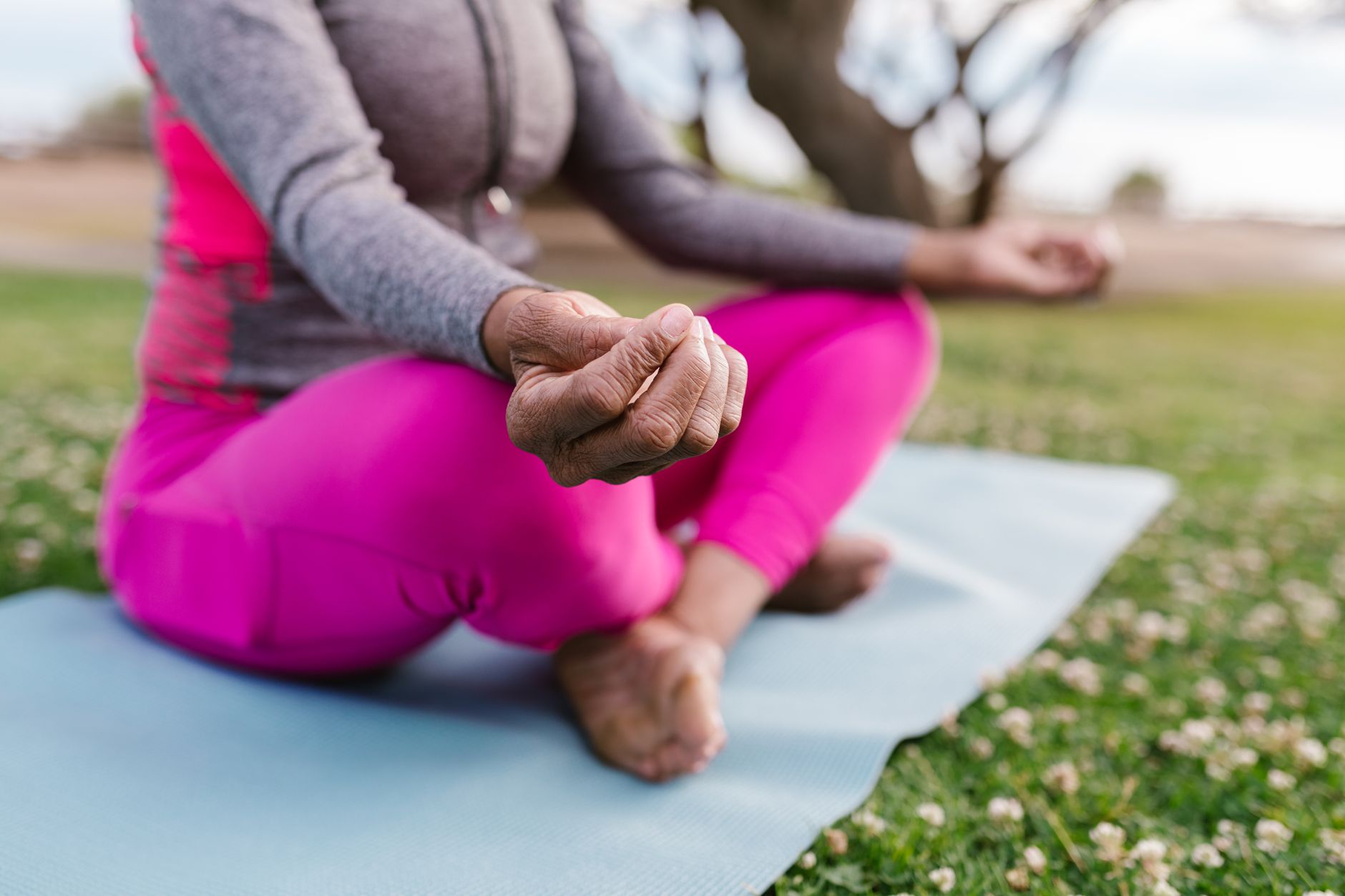
- Manage stress actively: Chronic stress alters gut bacteria composition within days. Even 10 minutes of pranayama (breathing exercises) or meditation daily can measurably reduce gut inflammation through vagus nerve stimulation.
- Sleep 7 to 8 hours: Sleep deprivation — common among India’s overworked professionals — reduces microbial diversity within 48 hours. Prioritising sleep is non-negotiable for gut health.
- Stay hydrated with warm water: Warm water, a staple recommendation in Indian households, supports digestion and helps maintain the mucous lining of the gut. Aim for at least 2.5 to 3 litres daily, more during Indian summers.
Signs Your Gut Health Needs Attention
Your gut often sends distress signals long before a serious problem develops. Watch for these warning signs:
- Persistent bloating or gas after meals
- Frequent mood swings, anxiety, or unexplained low mood
- Sugar cravings that feel uncontrollable
- Poor sleep quality despite adequate hours
- Skin issues like acne, eczema, or dullness
- Frequent colds or infections indicating weakened immunity
If you experience multiple symptoms from this list consistently, consider consulting a gastroenterologist. Many leading hospitals in metros like Mumbai, Delhi, and Bengaluru now offer specialised gut microbiome testing that can map your bacterial diversity and guide personalised dietary recommendations.
The Bottom Line
The connection between your gut and your brain is not a wellness fad — it is one of the most exciting frontiers in medical science today. The good news for Indians is that our culinary traditions already contain many of the answers that modern research is confirming. From your morning idli to your evening haldi doodh, the path to better mental health may genuinely begin on your plate.
Start small. Add one serving of fermented food daily, swap one refined grain meal with millets, and give your gut the consistency it craves. Within weeks, you may notice not just better digestion, but a calmer mind, steadier mood, and sharper focus. Your second brain will thank you.