India’s IoT Boom: How 5G Is Powering the Next Wave of Connected Innovation
India is witnessing an unprecedented surge in Internet of Things (IoT) adoption, and the catalyst is clear — the nationwide 5G rollout. With over 500 million 5G connections expected by late 2026 and the Indian IoT market projected to cross ₹1.5 lakh crore, the convergence of affordable connectivity and smart devices is reshaping industries from agriculture to urban infrastructure.
But what does this mean for Indian businesses, consumers, and the broader economy? Let’s break down the sectors where IoT is making the biggest impact — and what opportunities lie ahead.
Why India’s IoT Moment Is Now
India’s IoT journey has been building for years, but several factors have aligned in 2026 to accelerate adoption dramatically:
- 5G network maturity: Jio and Airtel have expanded 5G coverage to over 700 cities, providing the low-latency, high-bandwidth backbone that IoT ecosystems demand.
- Government push: The Digital India programme, Smart Cities Mission 2.0, and production-linked incentive (PLI) schemes for electronics manufacturing have created a favourable policy environment.
- Falling hardware costs: Indian-manufactured sensors and microcontrollers are now 40-60% cheaper than imported alternatives, thanks to domestic semiconductor initiatives.
- Rising digital literacy: With over 900 million internet users, India has the user base to support mass IoT consumer products.
5 Sectors Where IoT Is Transforming India
1. Smart Cities and Urban Infrastructure
India’s Smart Cities Mission has moved beyond pilot projects. Cities like Pune, Ahmedabad, Surat, and Bhubaneswar are deploying IoT at scale for real-time traffic management, smart water metering, waste collection optimisation, and air quality monitoring.
For example, Surat’s IoT-enabled flood warning system — built after the devastating 2006 floods — now uses over 10,000 connected sensors across the Tapi river basin, providing early alerts to lakhs of residents. Pune’s smart parking system has reduced average parking search time by 35%, easing congestion in the city centre.
The real game-changer? Integrated command-and-control centres (ICCCs) that aggregate data from thousands of IoT endpoints, giving city administrators a single dashboard to manage everything from streetlights to emergency services.
2. Agriculture and Rural IoT
With over 50% of India’s workforce still connected to agriculture, IoT adoption in farming is arguably the most impactful transformation underway. Precision agriculture platforms powered by soil moisture sensors, weather stations, and drone-based crop monitoring are helping farmers make data-driven decisions.
Startups like CropIn, Fasal, and BharatAgri are deploying affordable IoT kits — some priced as low as ₹2,500 — that connect to mobile apps and provide real-time advisories on irrigation, fertiliser application, and pest management. Early adopters report 20-30% improvement in crop yields and significant reduction in water usage.
The government’s Agri-Stack initiative is integrating IoT farm data with land records and subsidy systems, creating a unified digital ecosystem for the agricultural sector.
3. Manufacturing and Industry 4.0
India’s manufacturing sector is embracing IoT-driven automation under the Industry 4.0 banner. Smart factories in automotive hubs like Chennai, Gurugram, and Chakan are using connected machinery for predictive maintenance, quality inspection, and supply chain visibility.
Tata Steel, Mahindra, and Reliance Industries have invested heavily in industrial IoT (IIoT) platforms, deploying thousands of sensors across production lines to minimise downtime and reduce waste. The PLI scheme for electronics and auto components has further incentivised manufacturers to adopt connected systems.
According to industry estimates, IIoT adoption has helped Indian manufacturers cut unplanned downtime by up to 45% and reduce maintenance costs by 25-30%.
4. Healthcare and Remote Patient Monitoring
The pandemic accelerated digital health in India, and IoT is taking it further. Wearable health devices, connected diagnostic equipment, and remote patient monitoring systems are bridging the healthcare access gap — particularly in tier-2 and tier-3 cities and rural areas.
IoT-enabled health kiosks, deployed under the Ayushman Bharat Digital Mission, allow patients in remote villages to get basic diagnostics — blood pressure, blood glucose, ECG — with results transmitted instantly to doctors in urban hospitals. Companies like Healthians, Dozee, and Niramai are building IoT health products designed specifically for Indian conditions.
5. Connected Homes and Consumer IoT
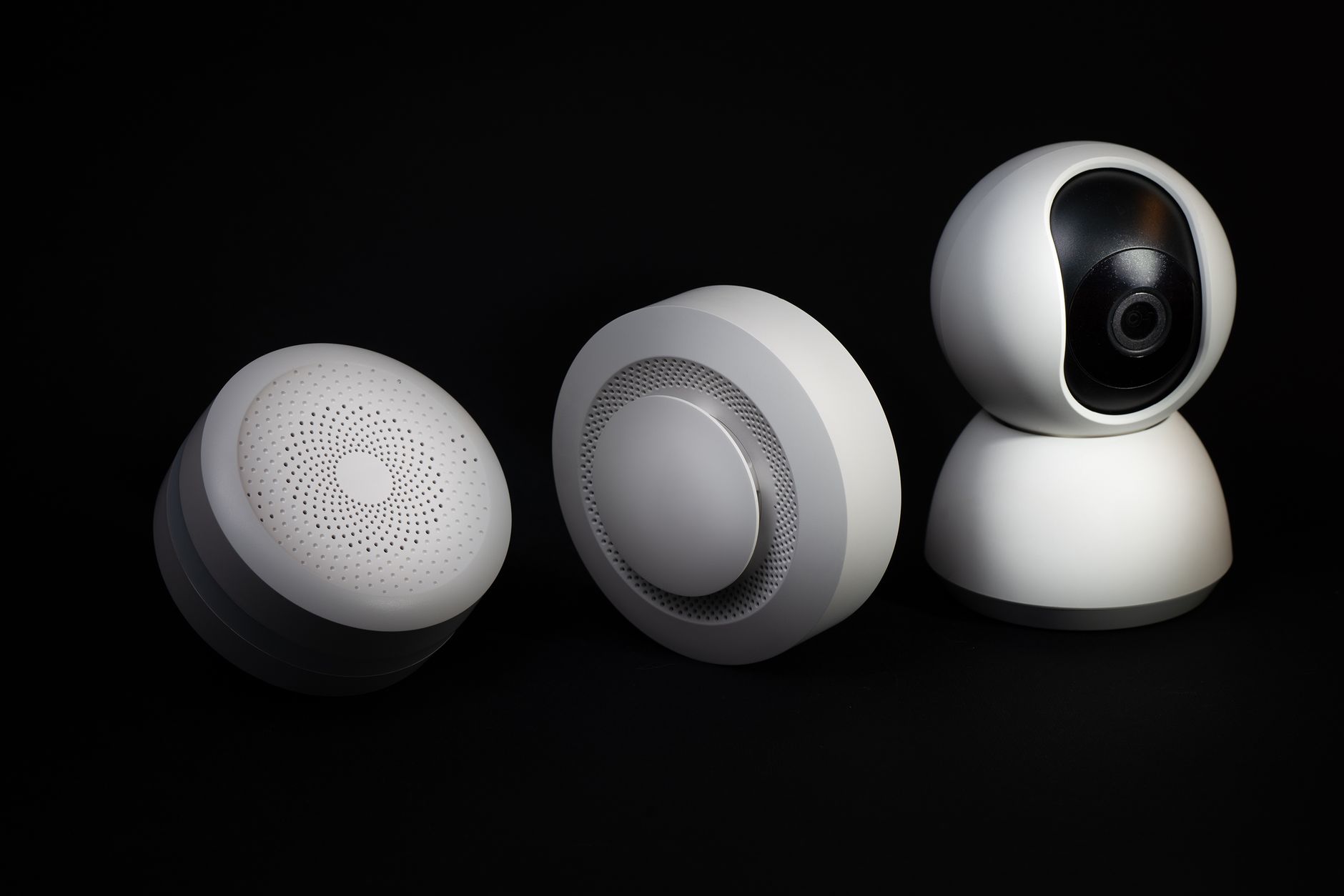
India’s smart home market is growing at over 25% year-on-year, driven by affordable smart plugs, security cameras, voice assistants, and energy management devices. Brands like Xiaomi, Wipro Smart, and Atomberg have launched IoT product lines priced for Indian middle-class households.
Smart energy meters being deployed by state electricity boards across Maharashtra, Gujarat, and Uttar Pradesh are enabling dynamic tariff pricing and helping consumers track and reduce their power bills. The BIS standards for IoT devices, updated in 2025, have also boosted consumer confidence in product safety and interoperability.
Challenges That Remain
Despite the momentum, India’s IoT ecosystem faces real hurdles:
- Data privacy concerns: The Digital Personal Data Protection Act 2023 provides a framework, but enforcement remains inconsistent. IoT devices collect vast amounts of personal data, and many consumers are unaware of how it is used.
- Cybersecurity risks: Connected devices expand the attack surface. India reported a 30% increase in IoT-targeted cyberattacks in 2025, with many devices running outdated firmware.
- Interoperability: Fragmented standards across manufacturers make it difficult to build integrated ecosystems. The BIS and TSDSI are working on unified protocols, but adoption is slow.
- Rural connectivity gaps: While 5G is expanding rapidly in urban areas, many rural regions still rely on patchy 4G, limiting the reach of agricultural and health IoT solutions.
Investment Opportunities in India’s IoT Space
For investors and entrepreneurs, the IoT wave presents significant opportunities:
- IoT platform companies building horizontal middleware and analytics layers
- Edge computing startups enabling real-time data processing without cloud dependency
- IoT security firms addressing the growing cybersecurity demand
- Domestic sensor and chip manufacturers benefiting from PLI incentives and import substitution
Listed companies with strong IoT exposure include Bosch India, Honeywell Automation, Tata Elxsi, and KPIT Technologies. On the startup side, IoT-focused venture funding in India crossed ₹4,000 crore in FY 2025-26.
The Road Ahead
India’s IoT story is no longer about potential — it’s about execution. The infrastructure is in place, the policy environment is supportive, and both domestic and global players are investing aggressively. The key question for 2026 and beyond is how quickly interoperability standards, cybersecurity frameworks, and rural connectivity can catch up with the pace of deployment.
For businesses, the message is clear: IoT integration is moving from a competitive advantage to a baseline requirement. For consumers, the connected future is arriving faster — and more affordably — than most expected.
India’s ₹1.5 lakh crore IoT market is just getting started. The companies and sectors that build robust, secure, and scalable IoT solutions today will define the country’s digital economy for the next decade.